New Cure for Sickle Cell Disease in 2026: What Nigerian Patients Should Know
Is there a new cure for sickle cell disease in 2026? See what gene therapy and bone marrow transplant options mean for Nigerian patients and costs.
Read More
Confused about the difference between sickle cell anemia and sickle cell disease? This guide explains it clearly for Nigerian patients and families.
The sickle cell conditions are one of the important inherited blood disorders that impact the families in the country of Nigeria and the rest of Africa. But sickle cell anemia and sickle cell disease are sometimes used the same way which can cause confusion. For patients and families, it is important to know the difference between sickle cell anemia and sickle cell disease to better understand the diagnosis, symptoms and complications of the disease and options for treatment. This is particularly crucial for Nigerians who have been affected by sickle cell and for those who are considering getting specialized treatment in other countries.
Sickle cell disease (SCD) is a collection of inherited blood disorders that result from a change in the gene that makes hemoglobin. The protein in a red blood cell that transports oxygen around the body is called hemoglobin. In individuals with sickle cell disease the abnormal hemoglobin can make the red blood cells hard and bend into a sickle or crescent shape. Such cells can deteriorate and can also clog small blood vessels. If a child receives two abnormal genes that code for hemoglobin, it is known as sickle cell disease. The condition may occur in a variety of different ways due to different genetic combinations. The most frequent and serious is called HbSS and is what people often refer to as sickle cell anemia.
A type of sickle cell disease is called sickle cell anemia. It is typically linked with the "HbSS" type of gene where a person receives two sickle hemoglobin genes. Sickle Cell Anemia can lead to chronic anemia as the red blood cells with sickle hemoglobin can have a shorter life. The abnormal cells can also block blood flow and may cause the person to experience periodic, severe pain and other problems.
Symptoms include:
Symptoms may be mild to severe and are not always present in a person.
The easiest way to grasp the difference between sickle cell anemia and sickle cell disease is to consider these two conditions as a family. There are a number of inherited hemoglobin diseases all of which are classified as sickle cell disease. One of those conditions is sickle cell anemia and it is generally taken to be the most severe.
Sickle cell disease can be accompanied by:
This distinction is important because the symptoms, complications and treatment requirements may vary from one person to another based on their specific genotype.
The distinction between the sickle cell and sickle cell disease is important because the treatment of the individual must be tailored to the specific diagnosis not just that of the general term sickle cell. For instance, a person with HbSS may have more vaso-occlusive pain crises and may be severely anemic whereas another individual with a different form of SCD may not have any pain crisis or be as anemic.
Therefore, doctors might want to consider:
Doctors can make a treatment plan through a comprehensive evaluation that is appropriate to the person.
The diagnosis typically is based on blood tests to determine what type of hemoglobin is present in the blood. Determination of haemoglobin electrophoresis or other specialised haemoglobin analysis may be helpful to diagnose sickle cell disease and confirm the genotype. Sometimes, genetic testing can also be suggested. Newborn screening can lead to the child being identified early and medical teams can start preventive care before any serious complications occur. The early diagnosis may be of great importance in Nigerian families because periodic monitoring and preventive treatment can help to minimize the risk of serious complications.
Nigerian patients seek specialist care in India should they require complex procedures, advanced evaluation, special assessment for transplantations or specialized hematology services. Patients are advised to request their clinical history, previous blood tests, genetic testing results, drug history, transfusion history and any specialist or imaging reports prior to traveling. Medical tourism facilitator can assist in arranging doctor visits, medical advice, travel arrangements, hotel stays and more. GetWellGo caters to international patients who require specialized medical treatment in India by assisting them in arranging their treatment process from consultation to treatment at the hospital and travel arrangements.
It's important for patients and families to understand the difference between sickle cell anemia and sickle cell disease. The term sickle cell disease is used to describe all the inherited disorders while sickle cell anemia is usually used to describe the HbSS form of the disease. The difference between sickle cell anemia and disease also underscores the importance of knowing the exact genotype of a patient. The clinical course and treatment of the various forms of sickle cell disease may vary. Today, prevention, medications including hydroxyurea, pain relief, blood transfusion (as needed) and in some patient’s stem cell transplant are used to treat sickle cell disease. There are also newer gene-based therapies that are providing an increasing number of options for those who qualify. GetWellGo may facilitate specialist consultation and support patients' journey for advanced sickle cell evaluation or treatment in India.
GetWellGo is regarded as a leading supplier of healthcare services. We help our Nigerian clients choose the best treatment locations that suit their needs both financially and medically.
We offer:
Is there a new cure for sickle cell disease in 2026? See what gene therapy and bone marrow transplant options mean for Nigerian patients and costs.
Read More
Confused about malaria treatment for sickle cell disease? This guide breaks down safe drugs, risks, and prevention tips for Nigerian patients.
Read More
Cancer survivorship programs in India help you start your next chapter. GetWellGo handles your expert check-ups, wellness, and a cozy home to stay strong."
Read More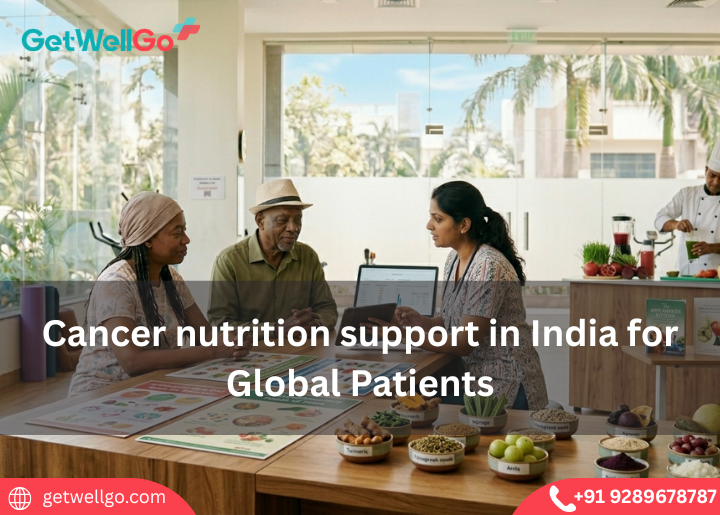
Cancer nutrition support in India helps you stay strong during treatment. GetWellGo provides expert diet plans, healing meals, and a cozy stay for recovery.
Read More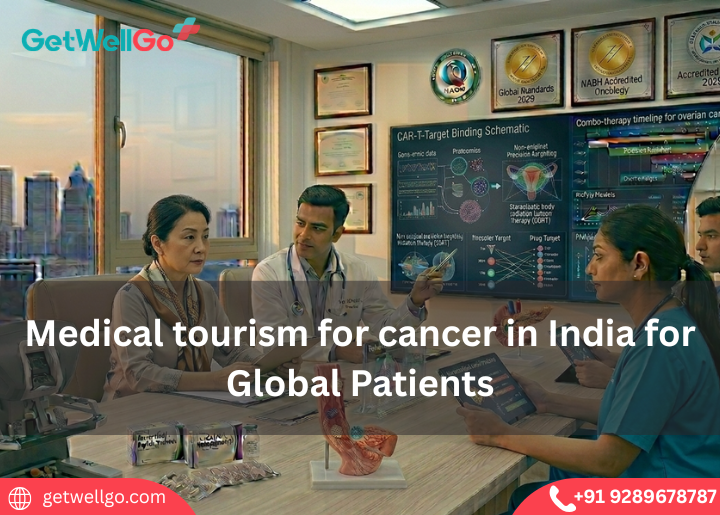
Medical tourism for cancer in India is easier with a friend. GetWellGo handles your expert doctors, visa, and a cozy, safe stay so you can focus on healing.
Read More
Radio-Frequency Ablation in India destroys tumors and nerve pain without surgery. We provide global patients with expert doctors and full travel assistance.
Read More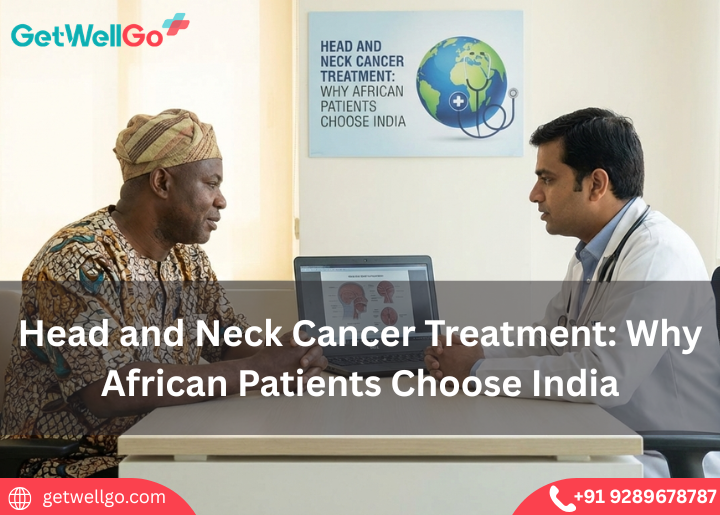
Head & neck cancer treatment in India offers advanced care. African patients trust GetWellGo for quality, affordable international healthcare solutions.
Read More

Travel to India for a Colectomy with GetWellGo. World-class hospitals, expert surgeons, affordable prices, and personalized care for international patients.
Read More
Get world-class Chronic Myelogenous Leukemia treatment in India with advanced care at affordable costs. GetWellGo supports international patients.
Read More
GetWellGo is the top choice for international patients seeking cancer treatment in India. Affordable care, expert oncologists, and world-class hospitals.
Read More
Affordable, advanced intraocular melanoma treatment in India with expert care. GetWellGo supports international patients every step of the way.
Read More