Difference Between Sickle Cell Anemia and Sickle Cell Disease: A Guide for Nigerians
Confused about the difference between sickle cell anemia and sickle cell disease? This guide explains it clearly for Nigerian patients and families.
Read More
Confused about malaria treatment for sickle cell disease? This guide breaks down safe drugs, risks, and prevention tips for Nigerian patients.
Malaria is a prevalent and a potentially grave infection in Nigeria and may be a worry for those suffering from sickle cell disease. Malaria can cause additional stress on the body as the sickles are already under stress from the disease and can cause anemia, pain episodes, fatigue and other complications. Early diagnosis and timely treatment, therefore, are crucial. The correct treatment for malaria in sickle cell disease is critical to patients, their parents and carers. Treatment should be based on the malaria diagnosis and the individual's symptoms and should take into account their age, severity of the illness, history of medication use and general health. India is also home to highly trained hematology, infectious disease and pediatric specialists for Nigerians looking to receive specialist care. GetWellGo is an international patient assistance service that helps patients find suitable hospitals, schedule appointments and arrange their medical travel.
Sickle cell disease is an inherited blood disease which occurs when the red blood cells may become rigid and sickle-shaped. The abnormal cells can lyse faster than normal red blood cells which can result in anemia and other complications. Malaria is a disease caused by parasites transmitted by an infected mosquito, called Plasmodium. The parasite attacks red blood cells, so they are particularly important for those who have an underlying blood condition. If a person with sickle cell disease contracts malaria, signs and symptoms may include fever, weakness, dehydration, fast heart rate or increased anemia and may need immediate treatment. Sometimes a healthcare worker needs to rule out the possibility of a sickle cell pain crisis or two conditions happening simultaneously with the malaria. That is why it is not advisable to delay treatment or rely on home remedies for malaria in SCD. Prompt diagnosis and treatment help minimize possible complications.
The symptoms may be different in different people. Symptoms of malaria are often:
Other symptoms can be signs of a more serious condition for a person with sickle cell disease. Patients with severe weakness, difficulty breathing, confusion, ongoing vomiting, seizures, extreme lethargy or increased pallor should be evaluated urgently. Tests are needed because the symptoms of malaria and sickle cell complications can be similar. Malaria diagnostic tests, blood counts and other investigations can be used by health care professionals to determine the cause of symptoms.
Physicians usually check for malaria parasites before making a decision on treatment for malaria in sickle cell disease. Depending on the clinical scenario and local resources, diagnosis can be made using microscopy or a rapid diagnostic test. Doctors may also do blood tests to check the patient's condition including tests of hemoglobin levels. This evaluation can be especially helpful for a person with sickle cell disease as the health care team will want to find out if the anemia has become more severe and if a complication has also occurred. Further testing might be ordered if the person is seriously ill to check organ function, hydration, the severity of the infection or to determine other causes.
The right treatment for malaria will depend on the type and severity of the malaria, drug resistance in the area, age and weight of the patient, pregnancy status (if applicable) and other medical factors. If malaria is uncomplicated, the health provider can prescribe an appropriate antimalarial drug as per current national or international malaria treatment guidelines. In many malaria-endemic areas, uncomplicated P. falciparum malaria is treated with ARTs. Severe malaria is a medical emergency and is typically treated in a hospital. If the patient can take medicines by mouth, an oral treatment course should be used; if not, then an injectable antimalarial course may be required. Self-prescribing antimalarial drugs to patients with sickle cell disease should be avoided, due to differences between the drugs. Treatment may be changed based upon clinical condition and other medication used and should be decided by healthcare team.
Treatment of sickle cell disease is more than just treating individual symptoms. Typically consists of preventative care, monitoring, vaccinations when indicated, treatment of anemia and pain and medications and/or other treatment according to patient's needs. If the patient has sickle cell disease treatment plan, this may need to be reviewed for malaria. Clinical parameters such as blood counts, hydration, oxygen levels, etc., may be monitored depending on the severity of the infection. In addition, hydration, especially if fever, vomiting or decreased intake of fluids occurs is important. Fluids, however, should be given in an appropriate way particularly in patients with other medical conditions. Sickle cell medicines should be taken as directed, unless otherwise advised by the doctor. Long-term therapy should be reviewed with the treating hematologist or physician if any changes are to be made in the therapy.
In a person with SCD, it is important to seek malaria treatment as soon as possible to reduce the likelihood of worsening their condition. Malaria may lead to fever, anaemia, dehydration and general complications. These problems may be particularly challenging for a patient whose red blood cells are already affected by sickle cell disease. Parents should go to the doctors right away if their child with sickle cell disease has a fever for which there is no explanation. Remember to treat all fevers as something other than just a sickle cell crisis for adults. An early test can alert doctors to the presence of malaria and prompt the start of appropriate treatment if it is needed. It may also help to exclude other infections or complications that need other treatment.
Prevention is a key component of the treatment of SCD and health management in malaria endemic countries like Nigeria.
Patients and families can decrease their exposure to mosquitoes by:
The prevention of malaria should be individualised to the patient's situation. Children with sickle cell disease should discuss appropriate preventive measures with their healthcare provider, since families need to know how to provide the best care for their children.
Nigeria has had a significant sickle cell disease burden and a few patients may need special hematology care for the long term management of their sickle cell disease or for complicated disease. India has established high-end medical facilities for specialties of haematology. Sickle cell disease treatment may require consultation with hematologists, pediatric hematologists, transfusion specialists, pain-management teams and/or other specialists depending on the patient's condition.
Selected patients may receive treatments that modify the disease, blood transfusion support, treatment of complications and if medically appropriate, evaluation for potentially curative treatment options including hematopoietic stem cell transplantation. The appropriate sickle cell disease treatment is highly individualized. To formulate a treatment plan, a specialist should examine patient's medical history, prior treatment, laboratory findings, transfusion history and patient symptoms.
If sickle cell disease develops malaria, it needs to be immediately treated, especially if the symptoms are getting worse quickly or are severe. When a person with sickle cell disease develops a fever and becomes ill, an accurate diagnosis is required and the treatment should be directed by a knowledgeable health care practitioner. Meanwhile, treatment for sickle cell disease is comprehensive with the emphasis on preventing complications, ongoing monitoring and management based on the individual's needs. GetWellGo can assist Nigerians in arranging consultations, hospital stays and other medical arrangements in India. Discuss appropriate treatment options and preparation for treatment in India with the GetWellGo team and plan inpatient treatment with an international patient coordination team.
GetWellGo is regarded as a leading supplier of healthcare services. We help our Nigerian clients choose the best treatment locations that suit their needs both financially and medically.
We offer:
Confused about the difference between sickle cell anemia and sickle cell disease? This guide explains it clearly for Nigerian patients and families.
Read More
Is there a new cure for sickle cell disease in 2026? See what gene therapy and bone marrow transplant options mean for Nigerian patients and costs.
Read More
Cancer survivorship programs in India help you start your next chapter. GetWellGo handles your expert check-ups, wellness, and a cozy home to stay strong."
Read More
Cancer nutrition support in India helps you stay strong during treatment. GetWellGo provides expert diet plans, healing meals, and a cozy stay for recovery.
Read More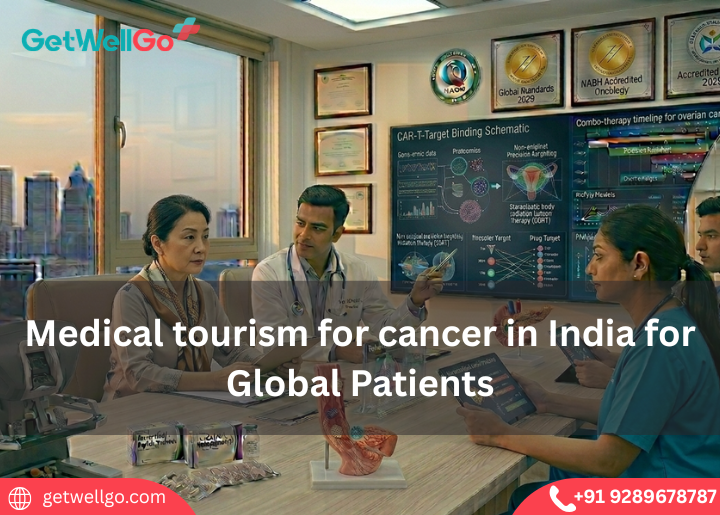
Medical tourism for cancer in India is easier with a friend. GetWellGo handles your expert doctors, visa, and a cozy, safe stay so you can focus on healing.
Read More
Radio-Frequency Ablation in India destroys tumors and nerve pain without surgery. We provide global patients with expert doctors and full travel assistance.
Read More
Head & neck cancer treatment in India offers advanced care. African patients trust GetWellGo for quality, affordable international healthcare solutions.
Read More

Travel to India for a Colectomy with GetWellGo. World-class hospitals, expert surgeons, affordable prices, and personalized care for international patients.
Read More
Get world-class Chronic Myelogenous Leukemia treatment in India with advanced care at affordable costs. GetWellGo supports international patients.
Read More
GetWellGo is the top choice for international patients seeking cancer treatment in India. Affordable care, expert oncologists, and world-class hospitals.
Read More
Affordable, advanced intraocular melanoma treatment in India with expert care. GetWellGo supports international patients every step of the way.
Read More