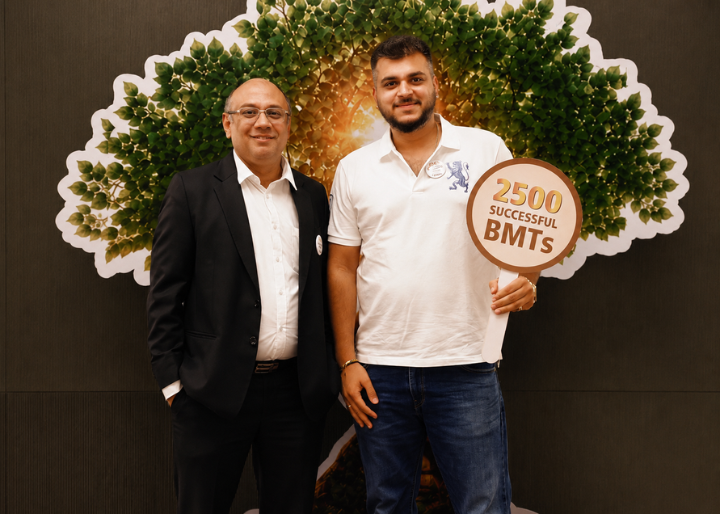
Historic Milestone: FMRI Celebrates 2500 Successful Bone Marrow Transplants
Celebrate a historic milestone of 2500 successful Bone Marrow Transplant at Fortis Gurgaon procedures, backed by our complete international patient visa care.
Read More
GetWellGo guides international patients to India for Lysosomal Storage Disorder treatment—expert doctors, modern hospitals & affordable healthcare.
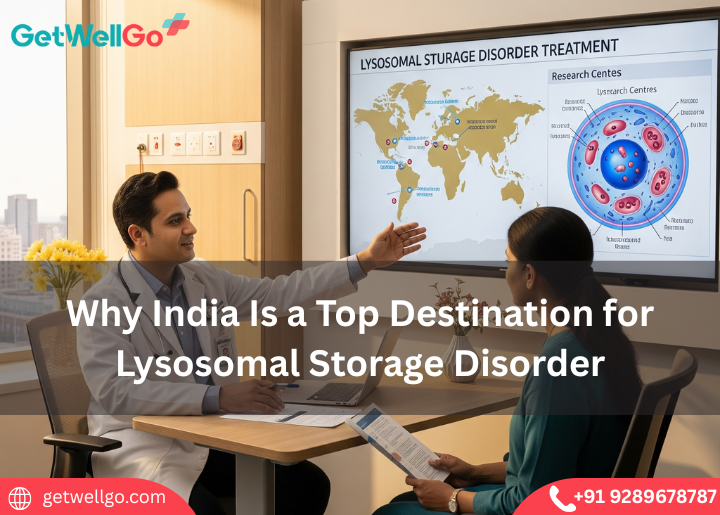
Lysosomal Storage Disorder (LSD) is a cluster of over 70 metabolic diseases which are hereditary and are occurred due to lysosomal de positioning. Lysosomes are cellular structures that are tiny and composed of enzymes that aid in the digestion of complex molecules (e.g., proteins, fats, and sugars). In LSDs, a genetic mutation causes a loss or abnormality in one of these enzymes (or related proteins), which causes undigested materials in lysosomes. This accumulation gradually destroys cells, organs and tissues.
This is a summary of Lysosomal Storage Disorder (LSD) therapy in India, relative to treatment choices:
Possible Treatment Options in India:
ERT, which is the mainstay of a number of treatable LSDs, can be accessed in India in the following conditions:
Such treatments are usually made available through the pharmaceutical company sponsored compassionate access programs such as Sanofi-Genzyme and Takeda. Such initiatives were reported to have administered ERT on more than 200 Indian patients in 2017.
A retrospective study cites somewhat limited but not insignificant access: approximately 60 Gaucher patients and 20 MPS I, a small numbers of Fabry patients, and classic infantile Pompe patients have been treated through programs like INCAP, but it is difficult to gain access to MPS II and VI patients.
As an option, HSCT can be offered in carefully chosen LSDs, predominantly MPS I and sometimes (but not all) MPS II, Gaucher disease, Krabbe, etc. Nonetheless, Indian data on HSCT are scant, and results may be different due to donor matching, transplant-associated complications, and disease progression
Palliative Care & Prevention
Management includes where there are certain unavailable or inaccessible therapies:
LSDs can lead to a broad array of symptoms due to the fact that various enzymes and different organs are involved in each particular type. As there are 70+ LSDs, the symptoms may differ, however there is a number of clinical features that are at common.
General Symptoms of LSDs
Sphingolipidoses
Mucopolysaccharidoses (MPS)
Hurler / Hunter syndrome: coarse facial features, growth and development delay, stiff joints, cardiovascular disease, airway blockage
Glycoproteinoses
Rough characteristics, developmental retardation, skeletal abnormalities
Other LSDs
LSDs are a broad category of inherited metabolic disorders 70+ types are known to exist. They are categorized according to the kind of molecule that builds up in the lysosomes because of deficiency in enzymes or transporters.
The list below is a categorized set of the primary kinds of LSDs:
Sphingolipidoses (malfunction of the breakup of the sphingolipid)
Mucopolysaccharidoses (MPS) (glycosaminoglycan-breakdown defect)
Glycoproteinoses (glycoprotein breakdown defect)
Glycogen Storage (Lysosomal type)
Pompe disease- deficiency of acid α-glucosidase abladdadfato sterema glycogen build-up in muscles
Transport disorder, cystinosis (transport)
Failure of cystine uptake and transport → crystals of cystine are deposited in tissues (particularly in the kidney and eye)
Other Rare LSDs
It is indeed a critical question, as treatment of Lysosomal Storage Disorders (LSDs) is very expensive in India and affordability is the most problematic. The following are the factors that influence the affordability:
Exorbitant prices of Enzyme Replacement Therapy (ERT)
Reliance on Compassionate / Corporate Programs
Geographic /Center of excellence (COE) Access
Diagnostic Tests
Support Care Expenses
In addition to ERT/HSCT, patients need:
Costs of Stem Cell transplant (HSCT)
GetWellGo is regarded as a leading supplier of healthcare services. We help our foreign clients choose the best treatment locations that suit their needs both financially and medically.
We offer:
Celebrate a historic milestone of 2500 successful Bone Marrow Transplant at Fortis Gurgaon procedures, backed by our complete international patient visa care.
Read More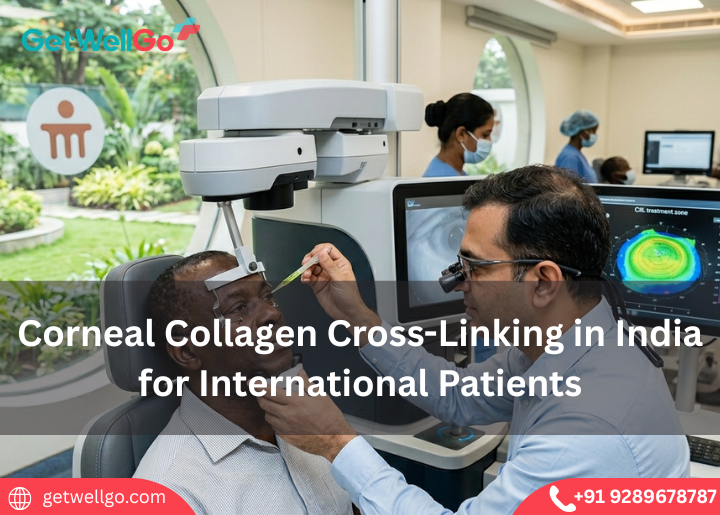
Experience advanced Corneal Collagen Cross-Linking in India to stabilize keratoconus and protect your sight, with full medical visa help from our travel team.
Read More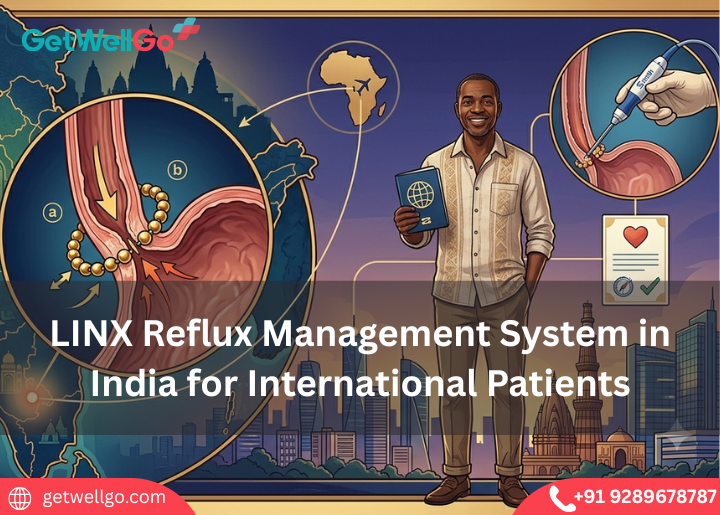
Experience the LINX Reflux Management System in India to stop severe heartburn using a tiny magnetic ring, fully organized by our fast-track medical visa team.
Read More
Experience advanced Stretta Procedure for GERD in India to eliminate chronic acid reflux without surgery, completely managed by our fast-track medical visa team
Read More
Get advanced vagus nerve stimulation treatment in India with expert care, modern hospitals, and affordable options for international patients.
Read More
Medical tourism in India for Uzbekistan Patients made easy. GetWellGo handles your top-tier surgery, Uzbek translator, and a safe, warm home for your family.
Read More
Palliative care services in India focus on your comfort and peace of mind. GetWellGo handles the expert pain relief, visa, and a serene, private home to heal.
Read More
Get reliable visa assistance for medical travel to India. Support with documentation, approvals, and a smooth entry process for global patients.
Read More
Transjugular Intrahepatic Portosystemic Shunt in India stops dangerous liver bleeding. GetWellGo handles your top specialist, visa, and a safe, cozy stay.
Read More
Keratoconus Treatment in India stops your vision from getting worse. GetWellGo handles your advanced eye care, visas, and a safe trip to save your sight.
Read More
Implantable Collamer Lens in India lets you ditch thick glasses forever. GetWellGo handles your expert eye doctor, flights, and a clear-vision holiday.
Read More
Cochlear Implants for Children in India opens a world of sound. We at GetWellGo plan your affordable ear surgery, airport pickup, and safe family trip.
Read More