
Historic Milestone: FMRI Celebrates 2500 Successful Bone Marrow Transplants
Celebrate a historic milestone of 2500 successful Bone Marrow Transplant at Fortis Gurgaon procedures, backed by our complete international patient visa care.
Read More
Affordable Uterine Fibroids treatment in India with top specialists and modern facilities. GetWellGo offers support for African patients. Contact us now!

Uterine Fibroids are benign tumours found in or around the uterus. They may be single or multiple and may be of varying sizes. Symptoms may be absent, but can include heavy periods, pelvic pain, abdominal bloating, and increased urinary frequency and fertility issues.
Depending on the number, size and position of the fibroids within the uterus, they can impact normal function of the uterus. Fibroids can cause complications during pregnancy in some patients.
Advanced treatment and diagnosis is available in many specialist hospitals in India. Gynaecologists, laparoscopic surgeons, fertility specialists and interventional radiologists can provide medical or surgical management.
Uterine Fibroids Treatment in India is popular with international patients, due to experienced medical professionals, advanced diagnostic facilities, minimally invasive treatments and relatively low costs. Cost will vary depending on the number and size of fibroids, treatment method, facilities within the chosen hospital and general health.
GetWellGo can support international patients by connecting them with expert gynaecologists and specialist centres in India. Patients can have online consultations, individual costs for treatment and assistance with their medical care.
Uterine Fibroids are benign tumours made up of smooth muscle in the uterus. Fibroids may occur as single or multiple tumours of varying sizes.
The uterus is a muscular organ in the pelvis. It is important during menses, pregnancy and birth. Uterine fibroids develop as abnormal growths of muscle and connective tissues within the uterine wall.
Most fibroids are benign therefore do not increase the risk of uterine cancer. However, the size, number and position of fibroids may lead to a variety of symptoms and complications.
May occur in various positions in or around the uterus.
May be single or multiple.
A variety of sizes ranging from a few mm to several cm.
May slowly grow, or may fluctuate in size.
Cause heavy periods and pelvic discomfort.
May cause fertility issues.
Many women with uterine fibroids may not require treatment.
Appropriate treatment will depend on the symptoms, age, reproductive wishes, features of fibroids and general health of the patient.
Different types of fibroids are determined based on their position in the uterus.
Most common type of fibroids.
Heavy period.
Pelvic pressure and discomfort.
Bloating.
Painful periods.
Fertility issues in specific cases.
Occur just below the lining of the uterus and sometimes protrude into the uterine cavity.
Heavy periods.
Long lasting periods.
Anaemia due to heavy blood loss.
Difficulties getting pregnant.
Increased risk of complications during pregnancy.
Occur on the surface of the uterus and grow into the pelvic cavity.
Pelvic pressure.
Lower abdominal discomfort.
Increased urinary frequency.
Constipation.
Attach to the uterus by a stalk. Can occur either on the surface of the uterus or inside the uterine cavity.
If the stalk becomes twisted then severe sudden pelvic pain can occur. Urgent medical attention may be required.
Whilst the exact cause of Uterine Fibroids is unclear, several risk factors may cause fibroids to develop.
Risk factors include:
Hormones – high levels of oestrogen and progesterone can cause fibroid growth.
Family history – increased risk if mother or sister has had fibroids.
Age – commonly diagnosed in individuals of reproductive age.
Obesity – increased risk of fibroids.
Early menarche – increased risk of fibroids.
Pregnancy history – increased risk in women who have never been pregnant.
Genetics – genetic changes in muscle cells within the uterus may cause fibroids.
Diet and lifestyle – certain diet/lifestyle factors may increase the risk of fibroids, however the exact role is unclear.
Fibroids often develop during reproductive years. They may reduce in size post-menopause due to decreased hormone levels, however not all women will follow this pattern.
Many women with fibroids will not show symptoms. Fibroids may be found on routine gynaecological examination or ultrasound.
Symptoms may vary depending on size, number and position.
Common symptoms include:
Heavy periods.
Long periods.
Irregular vaginal bleeding.
Severe period pain.
Pelvic discomfort.
Abdominal bloating.
Increased urinary frequency.
Difficulty voiding.
Constipation.
Lower back pain.
Pain with sexual intercourse.
Anaemia due to heavy periods.
Fertility issues (in specific cases).
Recurrent complications during pregnancy (in specific cases).
Women with heavy periods may develop iron deficiency anaemia. Symptoms of this are tiredness, weakness, dizziness, shortness of breath and reduced physical activity.
Large fibroids may put pressure on adjacent organs such as the bladder and bowel causing urinary and bowel symptoms.
Despite most fibroids being benign, some fibroids can cause complications depending on their size and position.
Common complications include:
Fibroids (particularly submucosal) may cause very heavy periods. This can cause iron deficiency anaemia and may require treatment.
Fibroids that change the shape of the uterine cavity, or prevent implantation may cause fertility issues. Submucosal fibroids and specific intramural fibroids may affect fertility in specific patients.
Depending upon their size and position fibroids can increase the risk of complications during pregnancy. These can include pelvic pain, abnormal fetal position, preterm labour or caesarian section.
Large fibroids can put pressure on adjacent organs. This can cause discomfort, constipation and urinary symptoms.
If the fibroid degenerates, or if pedunculated fibroids twist, severe sudden pain can occur.
If women suffer from persistent symptoms (bleeding, pain, fatigue and urinary symptoms), this may affect the ability to perform daily tasks, work, sleep and mental well-being. Not all women with fibroids will have complications. Regular medical reviews can be done to monitor and decide if further treatment is required.
Not all women with fibroids will require treatment. If fibroids are small and asymptomatic, they can be regularly monitored with gynaecological check-ups and ultrasounds.
However, diagnosis and treatment may be advised in women with:
Heavy periods that affect daily activities.
Anaemia due to recurrent blood loss.
Persistent pelvic pain.
Large fibroids causing pressure on adjacent organs.
Deformity of the uterine cavity.
Fertility issues caused by fibroids.
Concerns during pregnancy.
Increasing size of fibroids with symptoms.
Symptoms that are not improving with medication.
Factors taken into consideration by the gynaecologist in deciding on treatment include:
Patient age.
Menstrual history.
Number of Fibroids.
Size/position of fibroids.
Severity of symptoms.
Blood Haemoglobin levels.
History of previous pregnancies.
Fertility and future pregnancy plans.
Other gynaecological issues.
General health and medical history.
Whether or not the patient wishes to preserve their uterus. If women wish to get pregnant in the future, treatment options that preserve the uterus may be considered (myomectomy).
Diagnosis of Uterine Fibroids includes taking a patient history, physical examination, blood tests and investigations. This can help determine how many, the size and location of fibroids and whether they are affecting the uterine cavity.
Investigations may include:
A patient history will be taken including symptoms and menstrual history. A pelvic examination may be able to detect:
Enlarged uterus.
Mass in pelvis.
Tenderness of the uterus.
Abnormalities in the pelvis.
However, physical examination alone cannot accurately determine all of the features of fibroids.
Pelvic ultrasound is typically the first investigation carried out in the diagnosis of fibroids.
It uses sound waves to produce images of the uterus and surrounding pelvic organs.
To assess:
Number of fibroids.
Size of individual fibroids.
Position of fibroids.
Enlargement of uterus.
Deformation of the uterus.
Other abnormalities in the pelvis.
A small probe is placed into the vagina. Detailed images can be made of the uterus.
Useful in detecting fibroids close to the uterine cavity and assessing the endometrium.
An ultrasound probe is placed on the skin of the abdomen. It may be recommended in patients with larger fibroids or an enlarged uterus to get an overall picture of the pelvis.
An MRI scan produces detailed images of the uterus and surrounding structures. It may be requested in patients with:
Multiple fibroids.
Very large fibroids.
Unclear findings on ultrasound.
If other conditions need to be assessed (such as adenomyosis).
For detailed surgical planning.
If uterine artery embolisation is being considered.
An MRI can help accurately determine the location, size and number of fibroids.
A thin tube with a camera is inserted into the uterus via the vagina and cervix. This allows accurate visualisation of the uterine cavity. Can help identify:
Submucosal fibroids.
Polyps in the endometrium.
Abnormalities in the uterine cavity.
Other causes of abnormal bleeding.
In specific cases, fibroids can be removed with hysteroscopy.
Blood tests can be taken to gain information on general health and complications due to excessive bleeding. Common tests include:
Full blood count.
Blood haemoglobin.
Iron levels and Ferritin.
Thyroid function tests if required.
Blood group and cross matching if surgery is required.
Kidney function.
Blood glucose levels.
Coagulation if required clinically.
In women with abnormal uterine bleeding, a biopsy may be taken to investigate abnormalities of the endometrium.
This is particularly important in women with risk factors for endometrial disease, or if the bleeding requires further investigation. Not all women with fibroids will require an endometrial biopsy. Whether or not it is recommended depends on the age of the patient, symptoms and clinical findings.
Accurate diagnosis of Uterine Fibroids is important to differentiate from other conditions, including adenomyosis, endometrial polyps and ovarian masses.
There are many medical, surgical and minimally invasive treatment options for Uterine Fibroids in India. The treatment provided will depend on the symptoms, features of the fibroids, age, fertility wishes and general health of the patient.
Common treatment options include:
If fibroids are small and asymptomatic, treatment may not be required. Observation with regular gynaecological appointments and ultrasounds may be advised. Observation may be appropriate for patients with:
Minimal symptoms.
Small fibroids.
Near menopause.
Fibroids that are not causing fertility issues or pressure on surrounding organs.
Observation means that changes in fibroid size and symptoms can be monitored over time.
Medical treatment may be indicated in patients suffering from symptoms, such as heavy periods. Common medical treatments include:
Tranexamic acid
This drug can help reduce heavy periods by stabilising clots. It will not remove or shrink fibroids but can help the bleeding.
NSAIDS
Help relieve period pain. Can also reduce the blood loss of periods in some patients.
Hormonal contraception
Combined hormonal contraception may help regulate periods and reduce excessive bleeding. It will not remove fibroids.
Progestogens
Progestogen drugs may be indicated in patients with abnormal uterine bleeding.
Levonorgestrel Releasing Intrauterine System (LNG-IUS)
A hormonal coil can be placed inside the uterus. This can help reduce heavy periods, particularly if the fibroids are not greatly deforming the uterine cavity.
GnRH agonists/Antagonists
These drugs act on hormonal pathways within the ovaries. They may help reduce the symptoms of bleeding caused by fibroids and reduce the size of fibroids in some cases. They may be indicated in certain patients. For example, prior to surgery or to temporarily reduce symptoms. Whether or not hormonal treatment is appropriate, for how long it is given, and what the possible side effects are, should be discussed with the patient’s gynaecologist.
Myomectomy is a surgical procedure to remove fibroids, without removing the uterus. It is commonly indicated in women with symptomatic fibroids but who wish to remain fertile. May be indicated in patients with:
Heavy periods.
Large/multiple fibroids.
Fertility issues caused by fibroids.
Deformed uterine cavity.
Wishing to preserve the uterus.
Myomectomy can be performed via different methods, depending on the size, number, and position of the fibroids.
Open Myomectomy
An incision is made in the abdomen to allow access to the uterus and removal of fibroids. May be indicated in patients with very large/multiple fibroids that are difficult to remove with minimally invasive techniques.
Laparoscopic Myomectomy
Minimally invasive procedure. Small incisions are made in the abdomen. A laparoscope and special instruments are inserted to allow identification and removal of fibroids.
Advantages include:
Small incisions.
Reduced pain from wounds.
Reduced blood loss in some cases.
Earlier mobilisation.
Shorter hospital stays than open procedures in suitable cases.
Robotic assisted Myomectomy
Robotic assisted surgical instruments are used. 3D vision and flexible movement of the instruments helps in precise removal and repair of the uterine wall in specific cases. However robotic surgery may not be appropriate in all patients. It may not give better results than laparoscopic surgery.
Hysteroscopic Myomectomy
Mainly used to treat submucosal fibroids. A hysteroscope is passed through the vagina and cervix. No incisions are made in the abdomen. Special instruments are used by the surgeon to remove the fibroid tissue. May be appropriate in women with abnormal uterine bleeding or specific fertility issues caused by submucosal fibroids. The uterus is preserved in this procedure. New fibroids may occur in future. Risks of the operation include bleeding, infection, scarring and further treatment.
Hysterectomy is the removal of the uterus. It is curative for fibroids as fibroids will not grow once the uterus has been removed. It may be indicated in women with:
Very large/multiple fibroids causing symptoms.
Severe bleeding unresponsive to other treatments.
Persistent symptoms affecting quality of life.
No future pregnancy plans.
No benefit from other treatments.
Hysterectomy can be performed in different ways, depending on the size of the uterus, the position of fibroids, previous operations and surgeon’s preference. These include:
Abdominal hysterectomy.
Vaginal hysterectomy.
Laparoscopic hysterectomy.
Robotic assisted hysterectomy.
Once the uterus has been removed, the patient will no longer be able to become pregnant. However, removal of the ovaries may not be necessary in all cases. It depends on individual clinical factors.
UAE is a minimally invasive treatment carried out by an interventional radiologist. It reduces the blood supply to fibroids, causing them to reduce in size.
The procedure involves:
A small tube is inserted into a blood vessel, usually in the wrist or groin.
The tube is guided to the uterine arteries.
Small particles are injected into the blood vessels supplying the fibroids.
This reduces blood flow to the fibroids. The fibroids will reduce in size over time.
Advantages include:
No major incision in the abdomen.
Preservation of uterus.
Reduced menstrual bleeding in many patients.
Reduction in pressure symptoms caused by fibroids.
Shorter hospital stays than some surgical procedures. However, Uterine Artery Embolisation may not be appropriate in all patients. The effect on future fertility and pregnancy is unclear. If pregnancy is planned, alternative options should be discussed with specialists.
Heat is used to destroy specific fibroid tissue. This damages the cells within the fibroids causing them to reduce in size. Can be carried out as Laparoscopic, Transvaginal or Transcervical depending on the type of technology. Advantages include:
Minimally invasive.
In some cases, smaller incisions or no incision in abdomen.
Reduced size of fibroid.
Improvement in symptoms caused by specific fibroids.
RFA may be indicated depending on the position, size of fibroids, type of technology and whether women have fertility wishes. There is limited evidence on the effect of this treatment on pregnancy.
This is a non-invasive treatment. Focused ultrasound waves are directed at specific fibroid tissue causing it to heat up and die. MRI is used to identify the location of fibroids and direct the treatment. Advantages include:
No surgical incision.
Specific treatment.
Uterus is preserved.
No fibroid is surgically removed. This treatment may only be available in selected specialised centres. It may not be suitable for all types of fibroids. Some patients may require further treatment.
The treatment will depend on what treatment is required and the patient’s general health. For surgical treatments, the following steps will be undertaken.
The gynaecologist will take a medical history, menstrual history, imaging and previous treatment history. They will then decide on whether medical treatment, minimal intervention or surgical treatment would be the best option.
Blood tests
Pelvic ultrasound
MRI (as needed)
Anaesthetic pre-assessment
Pregnancy test (if appropriate)
Cardiovascular health and general health assessment
Further investigations (depending on medical history)
As these are surgical procedures, they will generally be performed under general anaesthetic. This will depend on the specific procedure.
Depending on treatment, the surgeon will perform the treatment. If a myomectomy is performed, the fibroids are removed but the uterus is preserved. In a hysterectomy, the uterus is completely removed. In a UAE, the blood vessels feeding the fibroids will be blocked off by an interventional radiologist.
Once treatment has been completed, the patient will be monitored for:
Blood Pressure
Pulse
Oxygen levels
Pain
Vaginal Bleeding
Urinary Output
Infection
Wound healing
Medication and supportive care will be provided as appropriate. At this point, the patient may be discharged.
Recovery will depend on what treatment has been given, general health and if complications arise.
After surgery, patients will be monitored in recovery or on the ward.
Blood pressure, pulse, pain, vaginal bleeding, urinary output and wound healing will be checked. Signs of infection will also be checked.
Pain relief may be provided. If appropriate, antibiotics will be administered. IV fluids may be given.
The length of admission will depend on the treatment required.
Hysteroscopic myomectomy – often day case or short admission
Laparoscopic myomectomy – commonly short admission
Open myomectomy – potentially several days in hospital.
Hysterectomy – Length of admission will depend on the procedure performed and recovery.
UAE – Often short admission or observation.
These are general guidelines and lengths of admission may differ. Specific advice around discharge will be given by the hospital.
It may be advised to:
Take prescribed medications
Avoid heavy lifting
Gradually increase physical activity
Drink plenty of fluid
Eat a balanced diet.
Ensure wounds are kept clean and dry.
Avoid strenuous activity until advised.
Attend follow up appointments.
Follow advice with sexual activity.
Recovery time varies between individuals. Complex surgical procedures may take longer for full recovery.
To aid recovery, patients may be advised to make lifestyle and dietary changes.
Eat a balanced diet. If anaemic, eat foods with high iron content. Consume adequate protein, fruit and veg and drink enough water. Try to limit highly processed food. Maintain a healthy weight. Gradually increase activity.
If the patient suffered from heavy periods, they may be given iron supplements depending on blood tests. There is no known reliable diet to reduce current fibroids, therefore dietary changes should be seen as a supportive measure to medical treatment.
Follow up is an important part of recovery and complications may be picked up.
Appointments with Gynaecologist
Checking wounds
Blood tests
Monitoring haemoglobin and iron
Pelvic ultrasound
MRI (as required)
Histology reports
Checking menstrual bleeding
Counselling for fertility if required.
If a myomectomy was carried out, regular imaging may be advised to check for new fibroids. If the patient wishes to get pregnant after a myomectomy, she should talk to her surgeon to determine how long to wait and how to manage the pregnancy.
If a hysterectomy was performed, follow up will focus on wound healing, recovery and ongoing symptoms. International patients should make arrangements with the hospital in India for continued follow up, and with a local gynaecologist.
International patients can come to India for specialist opinion, investigations and treatment, providing they are medically fit and have the correct visa. Ideally, medical reports should be sent in advance to allow initial opinions from the gynaecologist.
It is recommended to bring the following reports:
Pelvic ultrasounds
MRI scan with images (if available)
Menstrual History
Previous gynaecological treatments
Blood Tests
Haemoglobin and iron
Previous Surgery
Current medications
Pregnancy / Fertility History
Diagnosis of other medical conditions
The specialist will look over these, and advise if further investigations are necessary. If undergoing surgery, it is important to organise your length of stay in hospital, based on advice from the medical team. This will depend on the procedure, recovery and follow up. Do not book an early return date, unless medically advised.
There are numerous multi and speciality hospitals in India which offer treatment for gynaecology. Reasons people choose to come to India may include:
Experienced gynaecologists and laparoscopic surgeons
Good ultrasound and MRI equipment
Minimally invasive treatment
Laparoscopic and robotic surgery (selected hospitals)
Hysteroscopic Myomectomy
Uterine Artery Embolisation (specialist centres)
Fertility Specialists
Multi-disciplinary support
Variety of hospitals and treatment options.
Support for international patients.
Relatively cost effective.
Depending on the experience of the specialist, treatment available, personal medical needs and expected outcomes, a suitable hospital should be selected.
Choosing the right hospital and gynaecologist to treat Uterine Fibroids is important. International patients may require help with getting a medical opinion, cost estimation, arranging hospital appointments and travel.
GetWellGo can assist patients to get specialist gynaecological treatment in India. We can help with:
Getting opinion on ultrasound and MRI scans
Initial medical opinion
Finding experienced gynaecologists
Online consultations with Doctors within India
Finding a suitable hospital
Understanding available treatment options
Comparing medical and surgical options
Getting individual cost estimates
Arranging appointments with the hospital.
Support with Medical Visa Documentation
Transport from Airport
Accommodation
Translation and local support
Support during stay in hospital
Follow up Care
By sending in medical reports and previous treatment history, we can give an initial specialist opinion.
If you or a family member have been diagnosed with Uterine Fibroids and may need further investigations/treatment, GetWellGo can help to understand your options and plan a medical journey to India.
Uterine Fibroids are common benign tumours. Symptoms may include heavy periods, pelvic pain, pressure in the abdomen, and fertility problems. Not all women require treatment for Uterine Fibroids, however, those with significant symptoms may benefit from medical treatment, minimal intervention or surgery. In India, International patients have access to highly experienced gynaecologists, advanced diagnostic methods, and various treatments to preserve the uterus or definitive treatment. Appropriate treatment will depend on the size, number, position of the Fibroids, severity of symptoms and plans for future pregnancies. GetWellGo can help International patients find specialist hospitals in India and give individual treatment cost estimates. We can help organise appointments and support with travel.
What are Uterine Fibroids?
Uterine Fibroids are benign growths within the muscle of the uterus. They can vary in size and number and cause symptoms such as heavy periods, pelvic pain, swollen abdomen and fertility issues.
Are Uterine Fibroids Cancerous?
The majority of Uterine Fibroids are benign. Leiomyosarcomas (a rare malignant tumour) of the uterus are generally not derived from fibroids.
How are Uterine Fibroids diagnosed?
Uterine Fibroids are generally diagnosed by gynaecological examination and Pelvic Ultrasound. Trans-vaginal Ultrasound, MRI scans, hysteroscopy and blood tests may be required, depending on the patient’s condition.
Do all Uterine Fibroids need treatment?
Not all Uterine Fibroids require treatment. Small asymptomatic fibroids may only require routine monitoring. Treatment may be considered if fibroids are causing significant bleeding, Anaemia, pain, pressure symptoms or fertility issues.
Can Uterine Fibroids affect fertility?
Yes. Depending on the location and size of fibroids, they may prevent implantation. However many women with fibroids will be able to conceive naturally. It depends on the size, location and number of fibroids.
Can Uterine Fibroids be treated without surgery?
Yes. Certain patients may be able to be treated with medical treatment or interventions. Uterine Artery Embolisation and Radiofrequency Ablation may be used to manage symptoms, or reduce the size of Fibroids without traditional surgery.
What is the best treatment for Uterine Fibroids?
The best treatment for Uterine Fibroids can vary depending on the individual. Medical treatment, Myomectomy, Hysterectomy, Uterine Artery Embolisation, and other minimal interventions may all be considered depending on symptoms, characteristics of fibroids and future fertility plans.
What is a Myomectomy?
A Myomectomy removes fibroids from the uterus. It can be an open, laparoscopic, robotic assisted or hysteroscopic procedure, depending on the location and size of fibroids.
Can Uterine Fibroids be removed using laparoscopic surgery?
Yes. Laparoscopic Myomectomy is available at selected hospitals within India. It is done with small incisions in the abdomen. Specialised equipment is used to remove the fibroids. However, it may not be suitable for all patients.
What is the difference between Myomectomy and Hysterectomy?
With a Myomectomy, Fibroids are removed but the uterus is preserved. With a Hysterectomy, the uterus is removed. If a patient may wish to get pregnant in the future, Myomectomy may be recommended if clinically appropriate.
Can Uterine Fibroids reoccur after treatment?
Yes. Fibroids can develop after Myomectomy and further treatment may be required. UAE and other Uterus preserving treatments may also require further treatment in some patients. If a Hysterectomy has been performed, fibroids cannot reoccur as the whole uterus is removed.
Is Uterine Artery Embolisation a safe treatment?
Uterine Artery Embolisation is a well-established treatment option for selected patients with symptomatic Fibroids. However, risk factors include pain, infection and potential effects on ovarian function and future pregnancy. An interventional radiologist and gynaecologist should assess suitability.
How long will I be in recovery after Uterine Fibroids Treatment?
Recovery time will depend on the treatment performed. Patients may be able to return to normal activities within days after a hysteroscopic treatment. Patients may require several weeks of recovery after laparoscopic treatment. Recovery may take longer after open Myomectomy or Hysterectomy.
Can Uterine Fibroids be treated in pregnancy?
Generally, Fibroid treatment is limited in pregnancy, as most treatments are avoided. Patients may be monitored and symptoms managed. If severe pain or bleeding develops, medical attention should be sought.
Can Uterine Fibroids shrink naturally?
Some Fibroids may shrink after menopause due to reduced hormone production. However, there is no proven natural treatment or diet that can reliably remove Uterine Fibroids.
Is Robotic Assisted Myomectomy available in India?
Yes. Robotic assisted Myomectomy is available at selected hospitals in India. During the procedure, robotic devices are manipulated by the surgeon to remove Fibroids and repair the uterus for suitable patients.
Can International Patients be treated for Uterine Fibroids in India?
Yes. International patients can come to India for specialist opinion, investigations and treatment, depending on medical fitness and correct visa. Patients can send in reports to allow initial medical opinion before coming to India.
Can I have an online consultation with a Gynaecologist in India?
Yes. Patients can have an online consultation with specialist Gynaecologists in India. By sending in previous ultrasound scans, MRIs, blood tests and medical history, an initial recommendation for treatment can be made.
Celebrate a historic milestone of 2500 successful Bone Marrow Transplant at Fortis Gurgaon procedures, backed by our complete international patient visa care.
Read More
Experience advanced Corneal Collagen Cross-Linking in India to stabilize keratoconus and protect your sight, with full medical visa help from our travel team.
Read More
Experience the LINX Reflux Management System in India to stop severe heartburn using a tiny magnetic ring, fully organized by our fast-track medical visa team.
Read More
Experience advanced Stretta Procedure for GERD in India to eliminate chronic acid reflux without surgery, completely managed by our fast-track medical visa team
Read More
Get advanced vagus nerve stimulation treatment in India with expert care, modern hospitals, and affordable options for international patients.
Read More
Medical tourism in India for Uzbekistan Patients made easy. GetWellGo handles your top-tier surgery, Uzbek translator, and a safe, warm home for your family.
Read More
Palliative care services in India focus on your comfort and peace of mind. GetWellGo handles the expert pain relief, visa, and a serene, private home to heal.
Read More
Get reliable visa assistance for medical travel to India. Support with documentation, approvals, and a smooth entry process for global patients.
Read More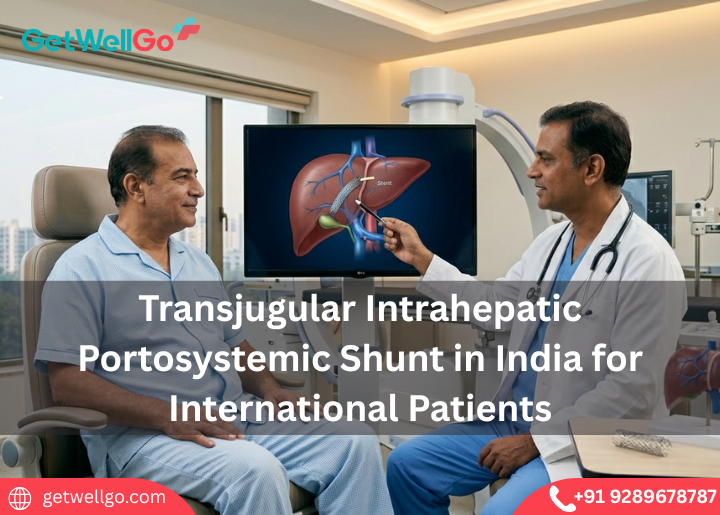
Transjugular Intrahepatic Portosystemic Shunt in India stops dangerous liver bleeding. GetWellGo handles your top specialist, visa, and a safe, cozy stay.
Read More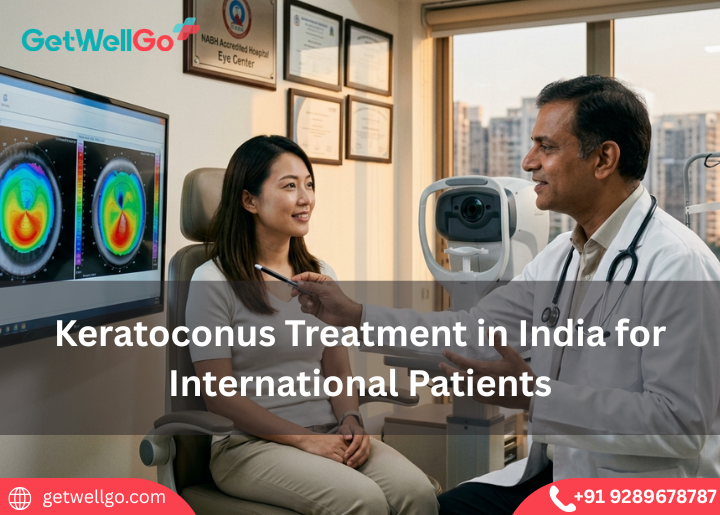
Keratoconus Treatment in India stops your vision from getting worse. GetWellGo handles your advanced eye care, visas, and a safe trip to save your sight.
Read More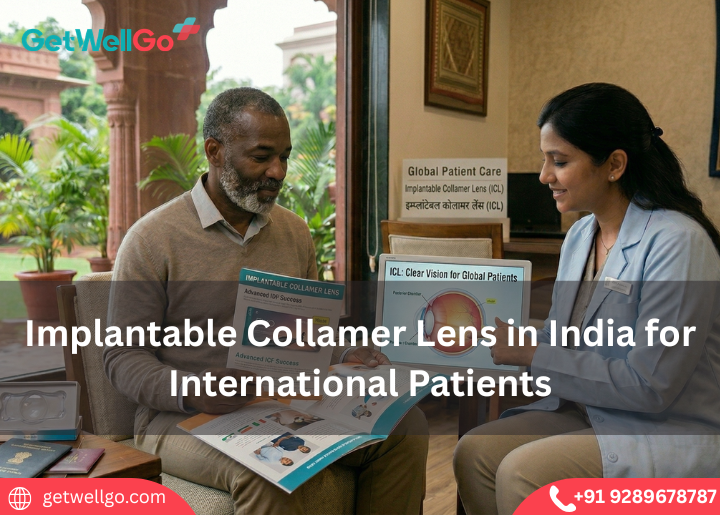
Implantable Collamer Lens in India lets you ditch thick glasses forever. GetWellGo handles your expert eye doctor, flights, and a clear-vision holiday.
Read More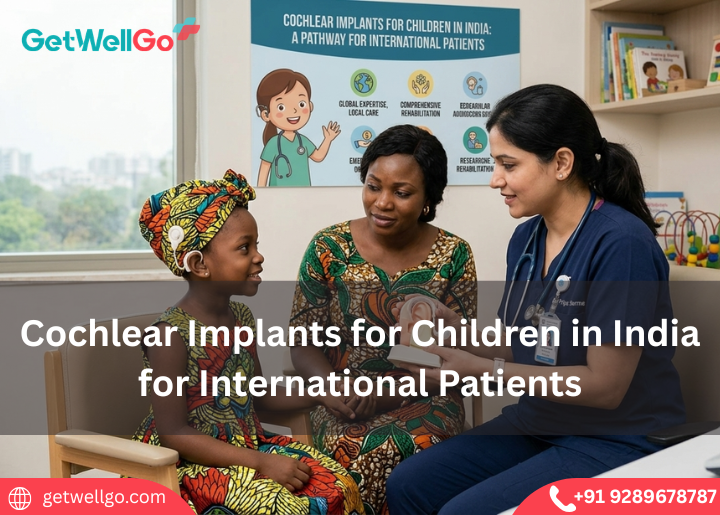
Cochlear Implants for Children in India opens a world of sound. We at GetWellGo plan your affordable ear surgery, airport pickup, and safe family trip.
Read More