
Historic Milestone: FMRI Celebrates 2500 Successful Bone Marrow Transplants
Celebrate a historic milestone of 2500 successful Bone Marrow Transplant at Fortis Gurgaon procedures, backed by our complete international patient visa care.
Read More
Learn about tonsillectomy surgery, from procedure steps to recovery. Get expert guidance at GetWellGo – healthcare support for global patients.

Tonsillectomy is the removal of the tonsils, which are two oval masses of lymphoid tissue in the back of the throat, one on each side.
It's usually done for:
Tonsillectomy is the surgery to remove tonsils, most often performed under general anaesthetic. It is most often used to cure chronic or repeated tonsillitis, sleep-disordered breathing, or obstructive airway due to enlarged tonsils.
Pre-operative Preparation:
Surgical Procedure Steps:
Anaesthesia
Mouth Opening
Tonsil Removal Techniques
One of the following techniques is employed:
Hemostasis (Controlling Bleeding)
Duration:
Recovery Room:
Post-Surgery Care Tips
Recovery from tonsillectomy typically takes 10 to 14 days but is variable depending on age, general health, and the surgical method employed.
Tonsillectomy Recovery Schedule (Day-by-Day)
Days 1–2 (Early Recovery)
Days 3–7 (Maximum Discomfort)
Days 7–10 (Scabs Fall Off)
Days 10–14 (Improvement)
Day 14+
Tonsillectomy is usually safe, but, as with any operation, it comes with a few side effects and possible complications, particularly on recovery. These are slightly different for children and adults, though adults tend to be more painful.
Sore Throat
Ear Pain
Bad Breath
Difficulty Swallowing
White/Yellow Coating in Throat
Nausea/Vomiting
Voice Changes
Less Common But Serious Complications:
Bleeding
Dehydration
Infection
Breathing Difficulty
Anaesthesia Reactions
The overall recovery time after a tonsillectomy is typically:
Days 1–2
Days 3–7
Days 7–10
Days 10–14
3–4 weeks
Recovery Hints
GetWellGo is regarded as a leading supplier of healthcare services. We help our foreign clients choose the best treatment locations that suit their needs both financially and medically.
We offer:
Celebrate a historic milestone of 2500 successful Bone Marrow Transplant at Fortis Gurgaon procedures, backed by our complete international patient visa care.
Read More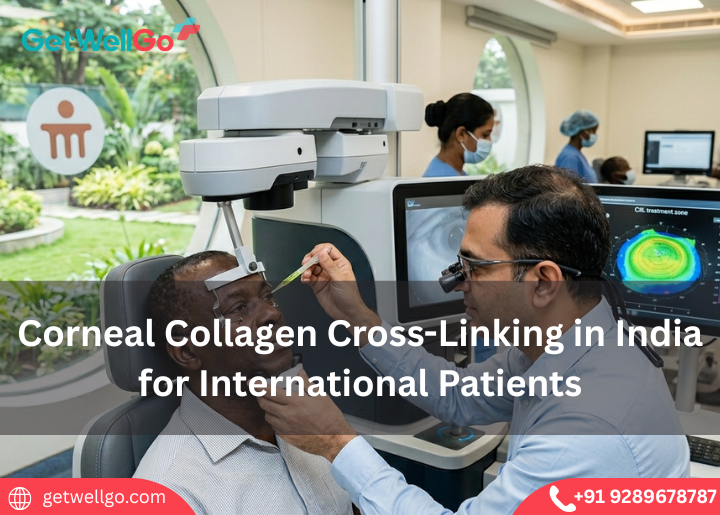
Experience advanced Corneal Collagen Cross-Linking in India to stabilize keratoconus and protect your sight, with full medical visa help from our travel team.
Read More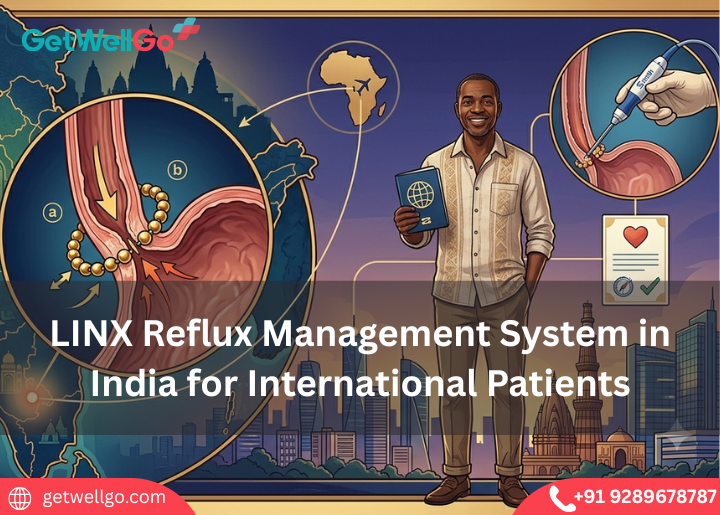
Experience the LINX Reflux Management System in India to stop severe heartburn using a tiny magnetic ring, fully organized by our fast-track medical visa team.
Read More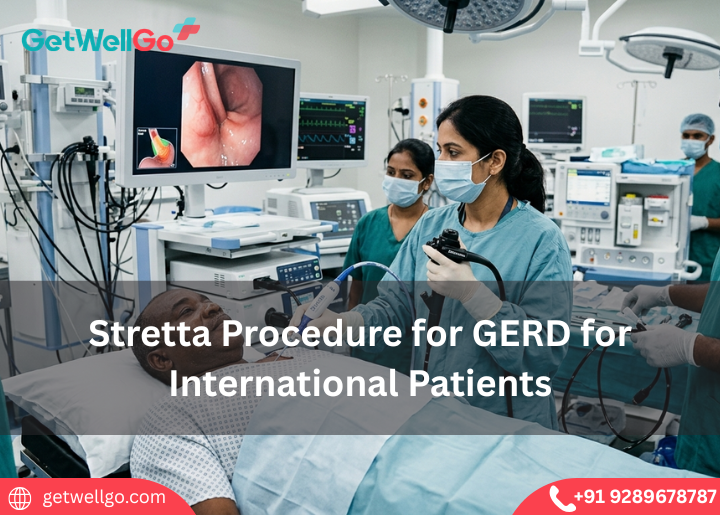
Experience advanced Stretta Procedure for GERD in India to eliminate chronic acid reflux without surgery, completely managed by our fast-track medical visa team
Read More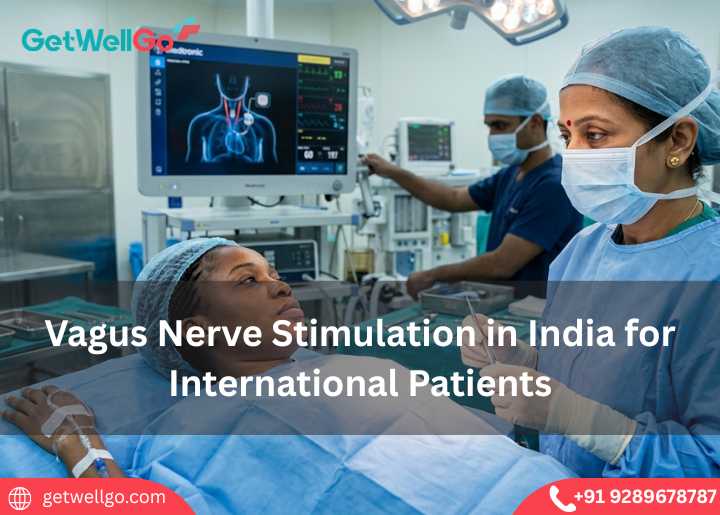
Get advanced vagus nerve stimulation treatment in India with expert care, modern hospitals, and affordable options for international patients.
Read More
Medical tourism in India for Uzbekistan Patients made easy. GetWellGo handles your top-tier surgery, Uzbek translator, and a safe, warm home for your family.
Read More
Palliative care services in India focus on your comfort and peace of mind. GetWellGo handles the expert pain relief, visa, and a serene, private home to heal.
Read More
Get reliable visa assistance for medical travel to India. Support with documentation, approvals, and a smooth entry process for global patients.
Read More
Transjugular Intrahepatic Portosystemic Shunt in India stops dangerous liver bleeding. GetWellGo handles your top specialist, visa, and a safe, cozy stay.
Read More
Keratoconus Treatment in India stops your vision from getting worse. GetWellGo handles your advanced eye care, visas, and a safe trip to save your sight.
Read More
Implantable Collamer Lens in India lets you ditch thick glasses forever. GetWellGo handles your expert eye doctor, flights, and a clear-vision holiday.
Read More
Cochlear Implants for Children in India opens a world of sound. We at GetWellGo plan your affordable ear surgery, airport pickup, and safe family trip.
Read More