GetWellGo provides world-class stem cell therapy for autism in children. Comprehensive support and care for international patients seeking effective treatment.
The research on the stem cell treatment of autism in children is still developing, and it is not yet a standard of medical practice, although it is experimental. Here’s a detailed overview:
What stem cell therapy for autism entails?
Types of stem cells used:
Mesenchymal stem cells derived out of umbilical cord (MSCs).
Stem cells of the bone marrow.
Stem cells obtained in adipose (fat) tissue.
Infusion of blood of umbilical cord (occasionally in trials).
Proposed mechanism:
It is thought that stem cells help by decreasing neuroinflammation, enhancing the immune system, and potentially promoting the neural connectivity.
It aims at enhancing the functions of behavior, cognition, and communication among children with autism spectrum disorder (ASD).
Current Evidence
Small-scale (primarily in China, India, Panama, and the U.S.) clinical trials have varied results:
There were some children whose eye contact, social interaction, speech, and hyperactivity were improved.
Other trials showed little or no better outcome as compared to placebo.
The risks and benefits in the long term are unclear.
Key studies:
A 2017 Duke University trial infusing the infants with umbilical cord blood demonstrated slight gains in behavior in certain children, but not in all those that took part.
Follow-up trials are being done on larger populations to establish safety and efficacy.
Best stem cell therapy for autism
The following are the types, delivery, dosages that appear to be more effective or demonstrate more consistent benefit in published trials and meta-analysis:
Type of stem cells: Umbilical cord-derived mesenchymal stem cells (UC-MSCs) or cord blood/cord tissue stem cell, commonly allogeneic (donor). In certain studies, bone marrow mesenchymal stem cells (BM-MSCs) (autologous) are used.
Routes of delivery: There was intrathecal injection (into the spine) of BM-MSCs in some trials, usually along with rehabilitation therapy and other standard therapeutic interventions such as risperidone.
Other trials: intravenous infusion or combination delivery is to be used. The exact pathway is of importance to the extent to which cells can access the brain / affect neuroinflammation etc.
Child age / timing: Earlier intervention is more likely to provide more opportunity of observable improvement (when the brain is more plastic) but little-strong evidence has been found. There are reports of children in younger age responding better.
Combination with other therapies: Stem cell therapy is nearly always researched together with behavioral, speech, occupational therapies etc. The stem cell component may assist in the underlying condition (e.g. immune system, inflammation) but it does not substitute the regular treatments of autism.
Safety profile: Up to this point, the meta-analyses are not indicating serious adverse events in large numbers, but the incidences of mild to moderate adverse events (fever, headache etc) are present. Nevertheless, safety is not well-established in the long-term in particular with recurring treatments.
Stem cell therapy for autism success rate
The improvement rates reported are all over the place (about 40-90 percent in various studies and outcome measures), whereas these figures are based on small, heterogeneous trials using various cell types, doses, routes, ages, and measurement tools.
Factors Affecting Cost of stem cell treatment for autism
Type of Stem Cells Used
Umbilical Cord Blood / Cord Tissue Stem Cells- tend to be more costly to source, process and store.
Bone Marrow-Derived Stem Cells - can be less expensive when used (autologous) on the child, however, the harvesting procedure is expensive.
Adipose (Fat) -Derived Stem Cells - less frequently used, but is sometimes cheaper.
Source of Stem Cells
Autologous (of the own body of the child) - demands harvesting and processing.
Allogeneic (donor, usually umbilical cord) - entails screening, matching and advanced lab preparation.
Delivery Method
Intravenous (IV) Infusion - tends to be cheaper.
Intrathecal Injection (spinal canal) more complicated, which means that it has to be anesthetized and hospitalized, hence more expensive.
Combination routes - can be even more costly.
Number of Sessions Required
These protocols include one session, and some have more than one session (2-6+ sessions during weeks or months).
Such bundled programs have the potential of increasing costs.
Length of stay and services
Costs are added by hospital stay, follow-up care, numerous diagnostic tests (MRI, blood work), and supportive care.
International patient packages can contain translators, travel services and lodging- increasing overall cost.
Stem cell therapy for autism in India
The most frequently studied treatments against autism involve mesenchymal stromal/stem cells (of umbilical cord tissue or cord blood, bone marrow, or adipose tissue) administered intravenously or occasionally into the spinal column. The reason can be decreased neuroinflammation and control immune activity to enhance social, communication, or behavioral symptoms.
What the evidence shows?
A number of systematic reviews and meta-analyses claim statistically significant change on certain measures of autism (e.g., CARS) following stem-cell treatments, although many studies differ greatly in the type of cell, dose, route and outcome measures. Evidence quality is limited.
Individual randomized trials demonstrate mixed findings; some have modest improvements in subgroups (e.g. younger children or higher-cognitive baseline), others have small or no improvement in global measures.
The safety in trials (in the short-term, most of them are mild-to-moderate, and transient adverse events) is usually satisfactory, whereas the long-term safety and sustainability of benefit are not well-established.
Stem cell treatment for children with autism GetWellGo
GetWellGo is regarded as a leading supplier of healthcare services. We help our foreign clients choose the best treatment locations that suit their needs both financially and medically.
We offer:
Complete transparency
Fair costs.
24 hour availability.
Medical E-visas
Online consultation from recognized Indian experts.
Assistance in selecting India's top hospitals for Stem cell treatment for children with autism.
Expert doctor with a strong track record of success
Assistance during and after the course of treatment.
Language Support
Travel and Accommodation Services
Case manager assigned to every patient to provide seamless support in and out of the hospital like appointment booking
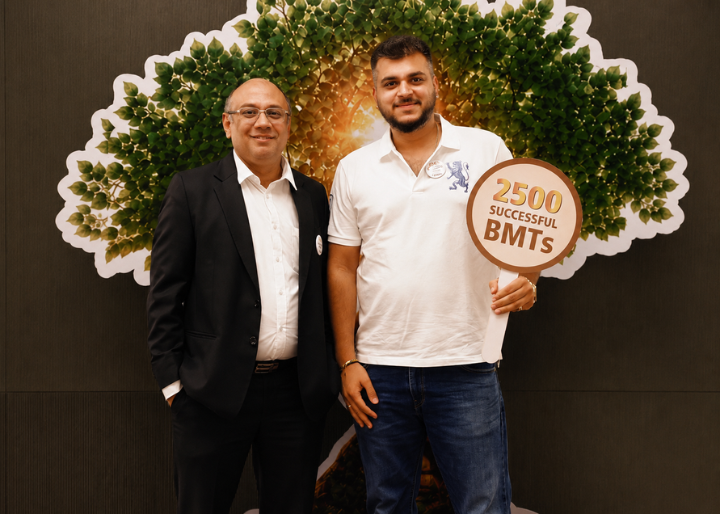
Celebrate a historic milestone of 2500 successful Bone Marrow Transplant at Fortis Gurgaon procedures, backed by our complete international patient visa care.
Experience advanced Corneal Collagen Cross-Linking in India to stabilize keratoconus and protect your sight, with full medical visa help from our travel team.
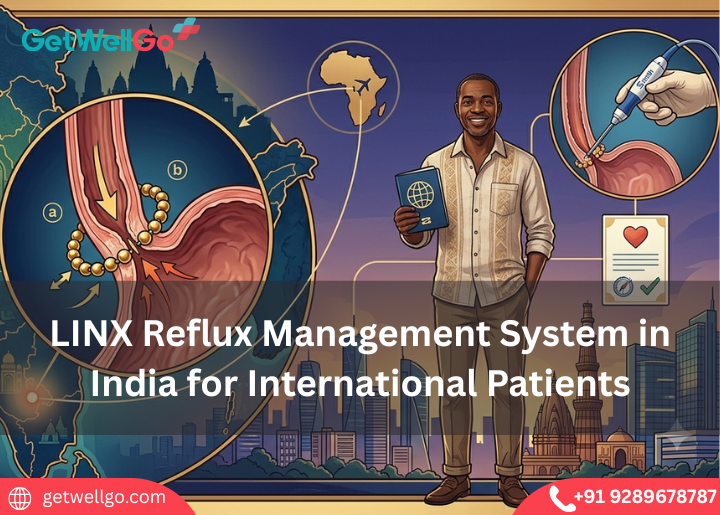
Experience the LINX Reflux Management System in India to stop severe heartburn using a tiny magnetic ring, fully organized by our fast-track medical visa team.
Experience advanced Stretta Procedure for GERD in India to eliminate chronic acid reflux without surgery, completely managed by our fast-track medical visa team
Medical tourism in India for Uzbekistan Patients made easy. GetWellGo handles your top-tier surgery, Uzbek translator, and a safe, warm home for your family.
Palliative care services in India focus on your comfort and peace of mind. GetWellGo handles the expert pain relief, visa, and a serene, private home to heal.
Transjugular Intrahepatic Portosystemic Shunt in India stops dangerous liver bleeding. GetWellGo handles your top specialist, visa, and a safe, cozy stay.
Keratoconus Treatment in India stops your vision from getting worse. GetWellGo handles your advanced eye care, visas, and a safe trip to save your sight.
Implantable Collamer Lens in India lets you ditch thick glasses forever. GetWellGo handles your expert eye doctor, flights, and a clear-vision holiday.
Cochlear Implants for Children in India opens a world of sound. We at GetWellGo plan your affordable ear surgery, airport pickup, and safe family trip.