
Historic Milestone: FMRI Celebrates 2500 Successful Bone Marrow Transplants
Celebrate a historic milestone of 2500 successful Bone Marrow Transplant at Fortis Gurgaon procedures, backed by our complete international patient visa care.
Read More
Stem Cell Therapy for Macular Degeneration in India with getWellGo. Advanced eye care, affordable treatment, and end-to-end support for international patients.

Age-related macular degeneration (AMD) is a progressive eye disease that attacks central retina (macula) causing a loss of central sharp vision that is used in reading, driving and face recognition. In most cases, conventional treatments only slow poor vision but not restore it.
The goal of stem cell therapy is to use regenerative cells (usually autologous- the patient own), or in vitro cultured cells (retinal-precursor) to substitute or to support damaged retinal pigment epithelial (RPE) and photoreceptor cells, and potentially restore vision or decelerate degeneration.
Stem cell therapy of Macular degeneration (in particular Dry AMD) is a regenerative treatment that aims at restoring or supporting the damaged or lost retinal cells, especially the retinal pigment epithelium (RPE).
Prior to the procedure, an intensive eye and systemic examination is carried out:
Medical Assessment
Best candidates:
The protocol involves the use of different kinds of stem cells.
Common Stem Cell Sources
Stem Cells from Bone Marrow
Bone marrow from pelvis is collected under local anaesthesia
Adipose Stem Cells
Earned through mini-liposuction.
Clinical Trials: Lab-Grown Retinal Cells.
Delivery Methods
According to the protocol and severity of the disease:
Intravitreal Injection
Subretinal Injection (Advanced / Trials)
Periocular / Retrobulbar Injection
Immediate Care
Recovery
The primary considerations that influence the price of the stem cell therapy of the macular degeneration in India are as follows with the descriptions of how each of them contributes to the final price:
Stem cells have a diverse range of prices depending on their sources:
Costs of a particular case of macular degeneration depend on its nature:
The place in which you are treated is a large thing:
Prices differ depending on city and location of clinic:
There must be a lot of assessment before stem cells can be used:
There are bundled packages that are made up of some cost components and add-ons:
Stem cell therapy is a much regulated field:
Retinal (macular) stem cell therapy- Success rate in India:
RPE Cell Therapy
Limited Clinic Reports & Commercial Claims
80% of the patients who had been treated with macular degeneration reported improvement which included reduction in the rate of disease, improvement in light perception, increased visual field, and visual acuity.
Scientific Background (International Evidence)
Although Indian data is scarce, meta-analyses of stem cell therapy all over the world on retinal diseases reveal:
In the case of inherited retinal diseases (not AMD) approximately:
Here is an unambiguous list of the major determinants of the affordability of the eye treatments that use stem cells (e.g., in the case of macular degeneration or other retinal disorders) in India:
Stem cell therapy for eye diseases like macular degeneration, retinopathy in India is a new exciting area. However, preliminary clinical studies and a small number of patients treated with the therapy look promising – primarily in dry age-related macular degeneration (AMD) – it is not a confirmed or routine cure. Several aspects determine the cost of stem cell eye treatment in India, such as the type of stem cells to be delivered, complexity of the procedure, expertise of the hospital and doctor, and city in which you plan to get treatment, among others; whether the treatment is administered via a regulated clinical trial or as treatment in a private regenerative clinic also makes a huge impact. India continues to be relatively affordable due to low healthcare costs and research infrastructure, and so there are opportunities for patients to receive cutting-edge therapies. But patients need to be careful and judicious in deciding on treatment. Not all therapies that can be purchased commercially have robust clinical evidence behind them and the principles of safety, regulatory compliance and ethical standards are particularly important – more so for fragile organs like the eye.
GetWellGo is regarded as a leading supplier of healthcare services. We help our foreign clients choose the best treatment locations that suit their needs both financially and medically.
We offer:
Celebrate a historic milestone of 2500 successful Bone Marrow Transplant at Fortis Gurgaon procedures, backed by our complete international patient visa care.
Read More
Experience advanced Corneal Collagen Cross-Linking in India to stabilize keratoconus and protect your sight, with full medical visa help from our travel team.
Read More
Experience the LINX Reflux Management System in India to stop severe heartburn using a tiny magnetic ring, fully organized by our fast-track medical visa team.
Read More
Experience advanced Stretta Procedure for GERD in India to eliminate chronic acid reflux without surgery, completely managed by our fast-track medical visa team
Read More
Get advanced vagus nerve stimulation treatment in India with expert care, modern hospitals, and affordable options for international patients.
Read More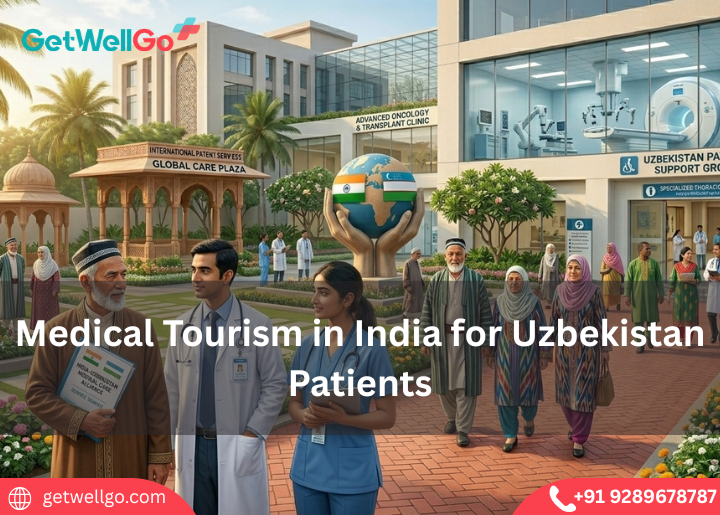
Medical tourism in India for Uzbekistan Patients made easy. GetWellGo handles your top-tier surgery, Uzbek translator, and a safe, warm home for your family.
Read More
Palliative care services in India focus on your comfort and peace of mind. GetWellGo handles the expert pain relief, visa, and a serene, private home to heal.
Read More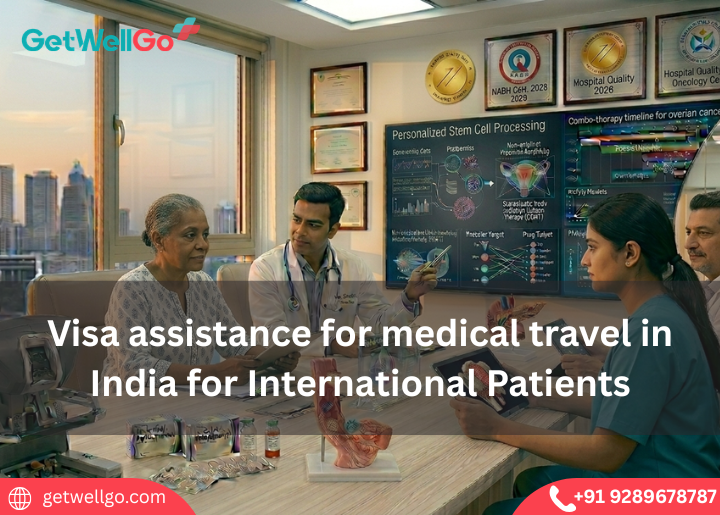
Get reliable visa assistance for medical travel to India. Support with documentation, approvals, and a smooth entry process for global patients.
Read More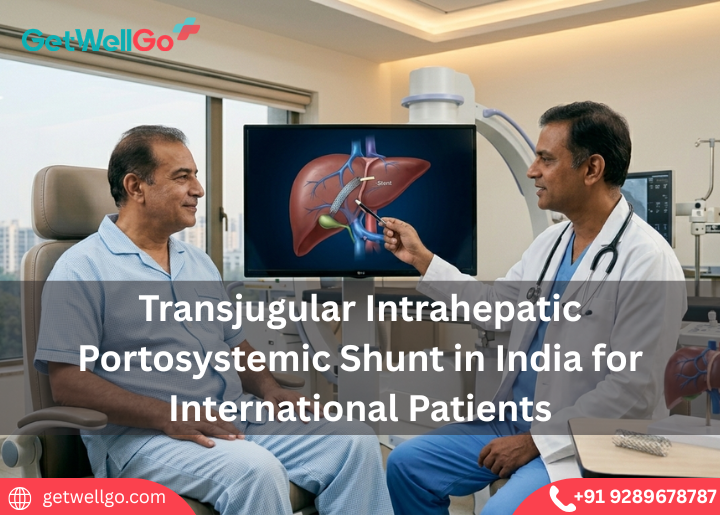
Transjugular Intrahepatic Portosystemic Shunt in India stops dangerous liver bleeding. GetWellGo handles your top specialist, visa, and a safe, cozy stay.
Read More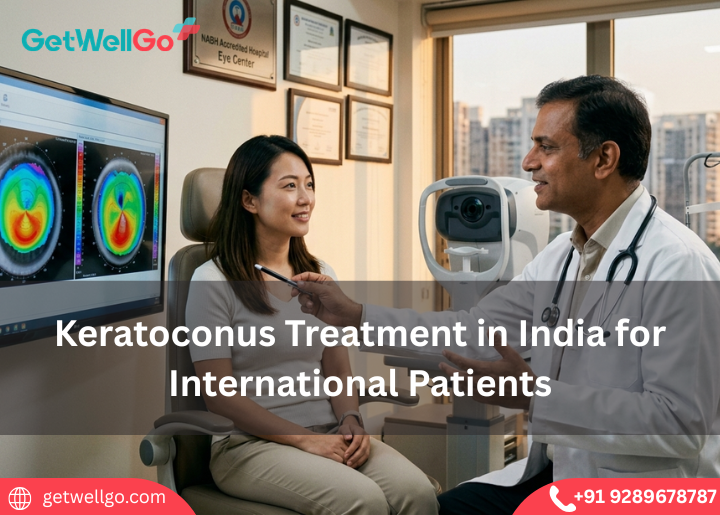
Keratoconus Treatment in India stops your vision from getting worse. GetWellGo handles your advanced eye care, visas, and a safe trip to save your sight.
Read More
Implantable Collamer Lens in India lets you ditch thick glasses forever. GetWellGo handles your expert eye doctor, flights, and a clear-vision holiday.
Read More
Cochlear Implants for Children in India opens a world of sound. We at GetWellGo plan your affordable ear surgery, airport pickup, and safe family trip.
Read More