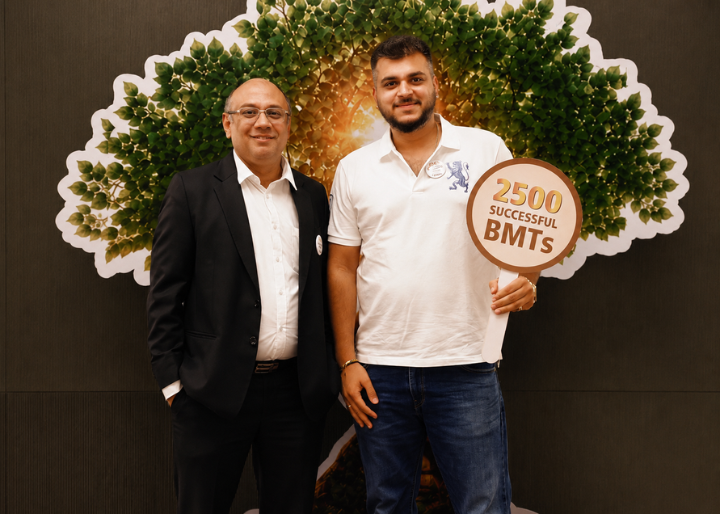
Historic Milestone: FMRI Celebrates 2500 Successful Bone Marrow Transplants
Celebrate a historic milestone of 2500 successful Bone Marrow Transplant at Fortis Gurgaon procedures, backed by our complete international patient visa care.
Read More
Skull reshaping surgery changes the shape of the skull for medical or cosmetic reasons. Learn about the procedure, recovery time, and possible risks involved.

Skull reshaping surgery, or cranial vault remodeling, cranioplasty, or cosmetic skull surgery, is a procedure to change the shape of the skull, either for medical purposes or aesthetic appeal. Here is the in-depth rundown:
Done for medical purposes like:
Procedures commonly done:
Performed on adults for cosmetic appearance reasons, commonly involving:
Most desired by:
Techniques involve:
Cosmetic skull surgery—also referred to as aesthetic cranioplasty or cosmetic head reshaping—is a technical plastic surgery that transforms the contour, shape, or symmetry of the skull for strictly cosmetic purposes.
Individuals undergo this procedure for the following reasons:
Adult head shape surgery, also known as cosmetic cranial surgery or adult skull contouring, is a procedure that changes the shape, size, or symmetry of the skull to enhance appearance. It is safe and permanent when executed by an experienced craniofacial or plastic surgeon.
Adults undergo surgery because of:
Skull reduction surgery is an aesthetic procedure aimed at diminishing the size or prominence of certain parts of the skull, i.e., the occipital part of the head, frontal bossing (forehead), or vertex (top of the head). It is carried out mostly for aesthetic purposes in healthy adults who are dissatisfied with the shape or bony bulk of their skull.
It is shaving or contouring of the outer skull bone (calvarium) to:
Visit to Our Fortis Hospita In India
Skull contouring surgery (also referred to as cosmetic cranial contouring or head reshaping surgery) is a cosmetic operation to enhance the shape, smoothness, or balance of the skull in adults. It is primarily done for aesthetic reasons—not medical need—and corrects irregular skull shape, bony protrusions, or flatness to produce a better-balanced head outline.
Skull contouring entails:
Skull deformity treatment varies with the etiology, patient age, and the severity of the deformity. Treatment can vary from non-operative helmet therapy in infants to complex cranial surgery in children and adults. Cosmetic or reconstructive skull reshaping surgery is the predominant option in adults.
Skull deformity is a misshapen or asymmetric shape of the skull, which can be:
Before Surgery: What You Need to Know
Consultation and Imaging
Planning the Procedure
After results: What It Looks Like
Read More Us - liver transplant surgery in india
Surgery for a head bump—medical or cosmetic—varies based on the cause, location, size, and symptoms of the bump. The following is a full guide:
Osteoma Removal (Hard Bone Bump)
Cosmetic Skull Contouring
Cyst or Lipoma Removal
Cranioplasty for Defects or Irregular Swells
Head shape correction surgery, or cranial reshaping, cosmetic skull surgery, or cranioplasty, is a surgical operation done to enhance the contour, symmetry, or profile of the head in children (for medical purposes) and adults (primarily for cosmetic purposes).
In Infants and Children (Medical)
In Adults (Cosmetic or Reconstructive)
GetWellGo is regarded as a leading supplier of healthcare services. We help our foreign clients choose the best treatment locations that suit their needs both financially and medically.
We offer:
Explore expert medical insights, treatment guides, and the latest healthcare updates for international patients - visit our blog .
Celebrate a historic milestone of 2500 successful Bone Marrow Transplant at Fortis Gurgaon procedures, backed by our complete international patient visa care.
Read More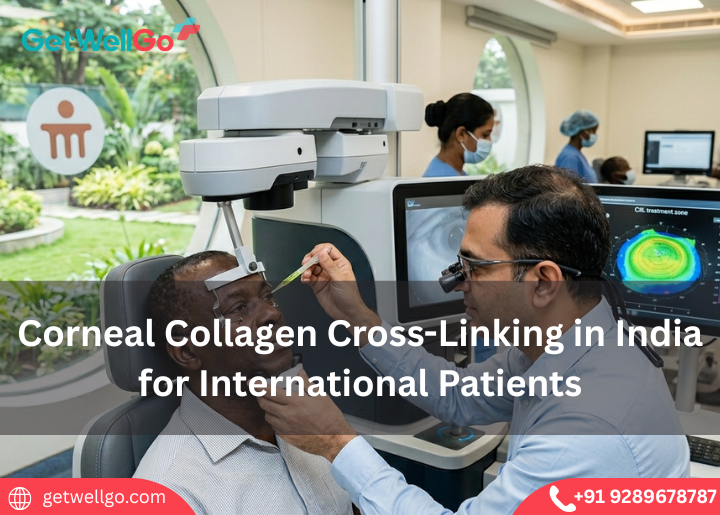
Experience advanced Corneal Collagen Cross-Linking in India to stabilize keratoconus and protect your sight, with full medical visa help from our travel team.
Read More
Experience the LINX Reflux Management System in India to stop severe heartburn using a tiny magnetic ring, fully organized by our fast-track medical visa team.
Read More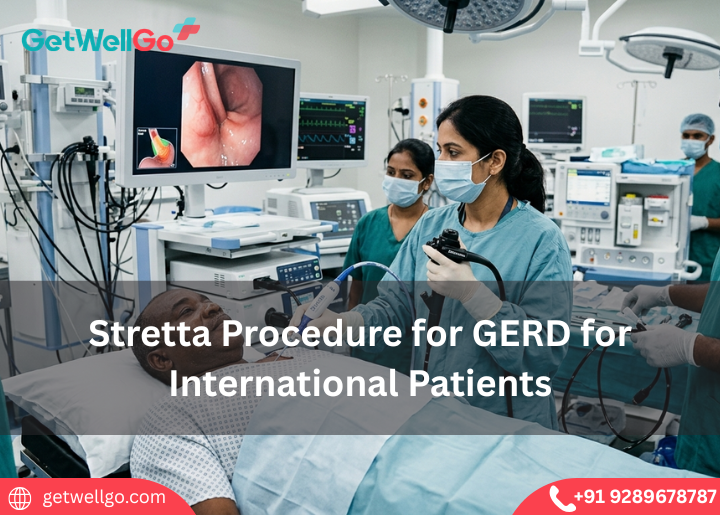
Experience advanced Stretta Procedure for GERD in India to eliminate chronic acid reflux without surgery, completely managed by our fast-track medical visa team
Read More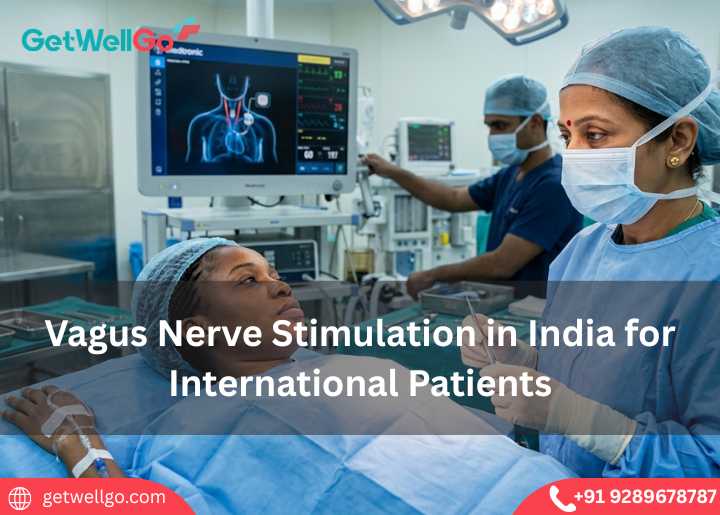
Get advanced vagus nerve stimulation treatment in India with expert care, modern hospitals, and affordable options for international patients.
Read More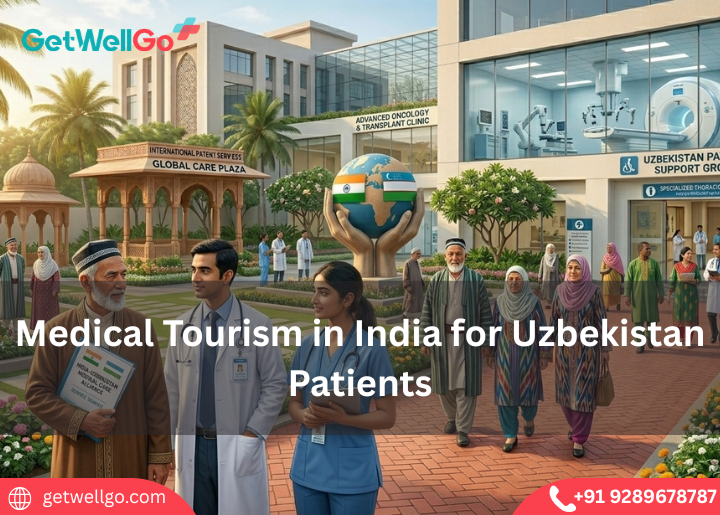
Medical tourism in India for Uzbekistan Patients made easy. GetWellGo handles your top-tier surgery, Uzbek translator, and a safe, warm home for your family.
Read More
Palliative care services in India focus on your comfort and peace of mind. GetWellGo handles the expert pain relief, visa, and a serene, private home to heal.
Read More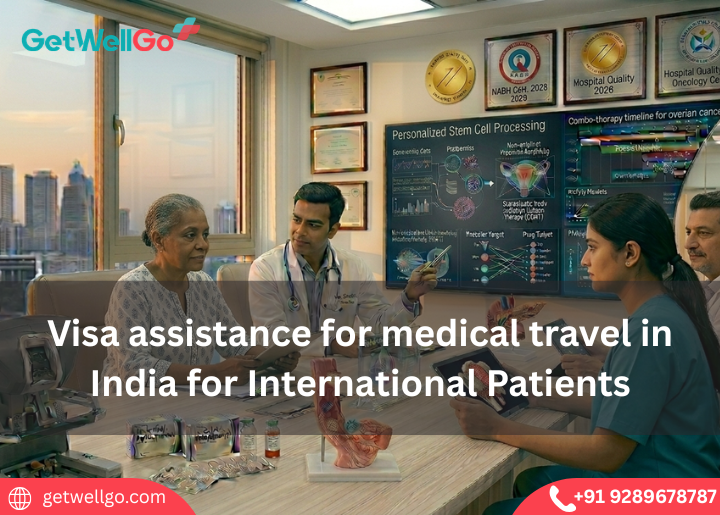
Get reliable visa assistance for medical travel to India. Support with documentation, approvals, and a smooth entry process for global patients.
Read More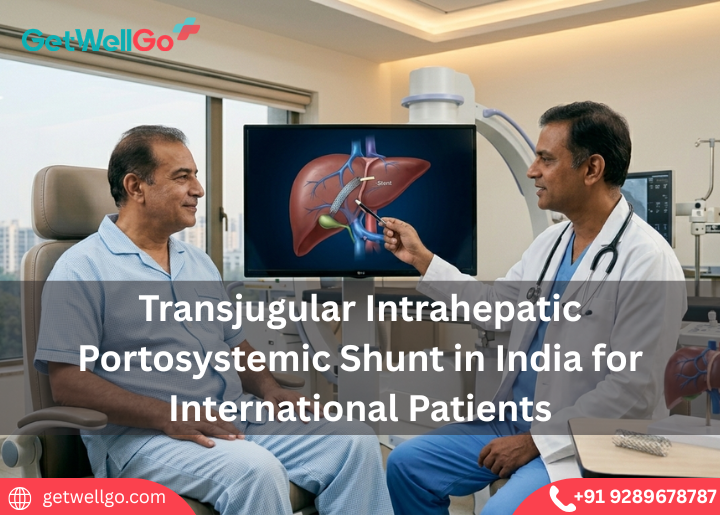
Transjugular Intrahepatic Portosystemic Shunt in India stops dangerous liver bleeding. GetWellGo handles your top specialist, visa, and a safe, cozy stay.
Read More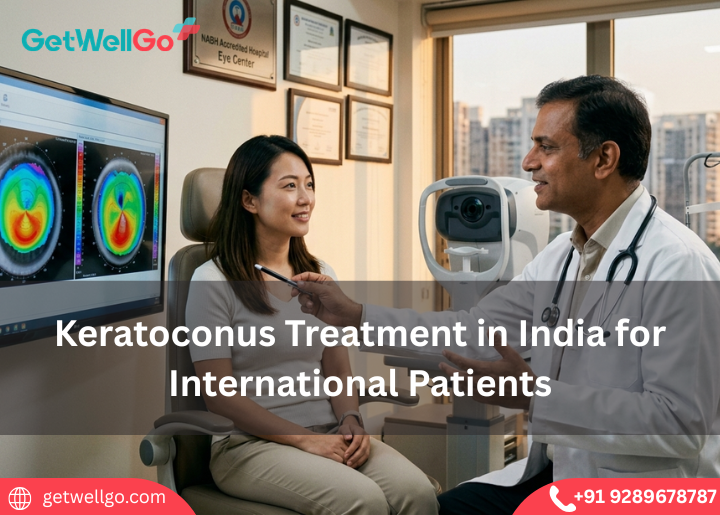
Keratoconus Treatment in India stops your vision from getting worse. GetWellGo handles your advanced eye care, visas, and a safe trip to save your sight.
Read More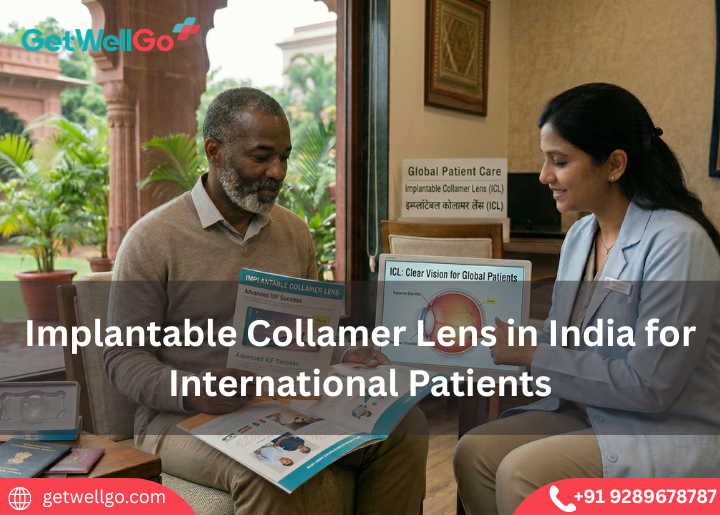
Implantable Collamer Lens in India lets you ditch thick glasses forever. GetWellGo handles your expert eye doctor, flights, and a clear-vision holiday.
Read More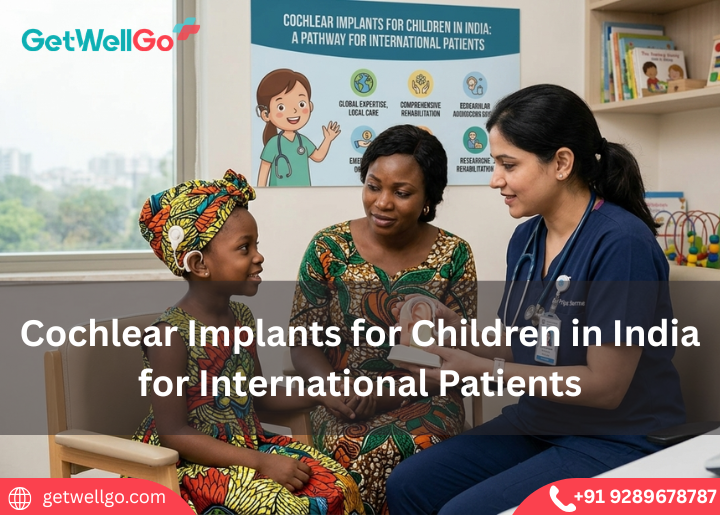
Cochlear Implants for Children in India opens a world of sound. We at GetWellGo plan your affordable ear surgery, airport pickup, and safe family trip.
Read More