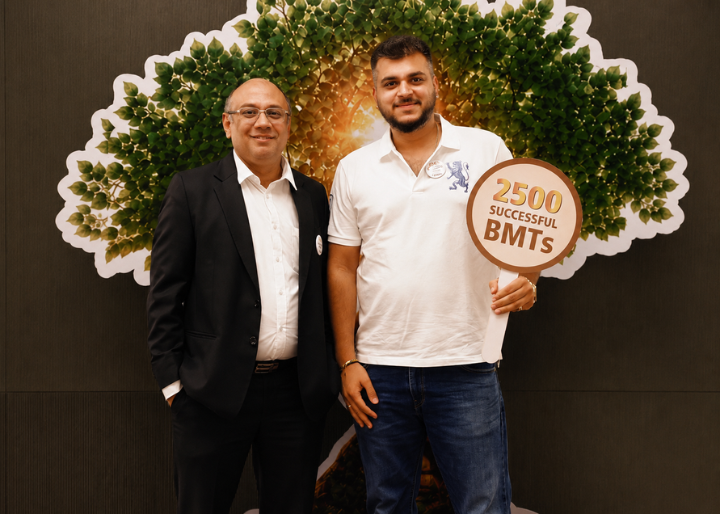
Historic Milestone: FMRI Celebrates 2500 Successful Bone Marrow Transplants
Celebrate a historic milestone of 2500 successful Bone Marrow Transplant at Fortis Gurgaon procedures, backed by our complete international patient visa care.
Read More
Successful scoliosis treatment in India with expert care, advanced techniques, and personalized support to help patients improve posture and reduce spinal pain.

Scoliosis is a lateral, abnormal curvature of the spine. It may be:
"My name is Ashenafi Habtewold, and I am from Ethiopia. I had congenital scoliosis for many years, which gave me constant back pain, limited my movement and even everyday activities were very difficult for me to do. Although I attempted treatment at home, my condition deteriorated further."
That's when I contacted GetWellGo, who assisted me in getting the proper care in India. They took care of everything and introduced me to Dr. Hitesh Garg, Head of Ortho Spine Surgery at Artemis Hospital, Gurgaon. Right from the time I landed, I felt comforted by the professionalism and empathy of the whole medical team.
Dr. Garg advised a high-risk corrective spine surgery that included fixation and fusion from D2 to L1. The operation was a success, and after adequate post-operative care and physiotherapy, I started regaining my strength, mobility, and above all, my confidence.
Now, I am back in Ethiopia with a pain-free and active lifestyle — something I could only imagine before. I am most thankful to Dr. Hitesh Garg, the Artemis Hospital team, and most importantly GetWellGo, whose encouragement enabled this life-turning experience. I really feel I have a new life with a straighter spine and a brighter future.
– Ashenafi Habtewold
Ethiopia
Scoliosis surgery is quite a difficult operation that is carried out with the purpose of treating the spinal deformity and halting its development. Below is an outline of the treatment process for scoliosis surgery:
Spinal fusion surgery is most common:
Non-surgical scoliosis treatment India
Bracing
Types of Braces:
Physical Therapy (PT)
Goal: Improve posture, relieve pain, build up muscle.
Best-known method:
Other beneficial PT styles:
Chiropractic Care
Good positions:
If scoliosis is the cause of back pain:
Alternative Therapies
India is a popular destination for spinal deformity correction with world-class expertise, cutting-edge technology, and low costs. Healthcare seekers from all over the globe, particularly from Africa, the Middle East, and Southeast Asia, travel to Indian hospitals for spine corrective procedures.
Abnormal curvature or positioning of the spine is known as spinal deformities. They include:
Right After Surgery (Hospital Stay)
First Weeks at Home
3–6 Months Following Surgery
6–12 Months Following Surgery
India's success rate of scoliosis surgery is high, similar to international standards, particularly when carried out by skilled spine surgeons in leading hospitals.
Total Success Rate
This indicates:
India provides state-of-the-art scoliosis surgery blending international expertise with innovative surgical and non-surgical methods at a fraction of Western prices.
Advanced Diagnostic Methods
Vertebral Body Tethering (VBT)
3D Navigation & Robotic-Assisted Spine Surgery
Complex Spinal Fusion with Modern Implants
Growing Rods / MAGEC Rods (for pediatric patients)
Vertebral Column Resection (VCR)
Celebrate a historic milestone of 2500 successful Bone Marrow Transplant at Fortis Gurgaon procedures, backed by our complete international patient visa care.
Read More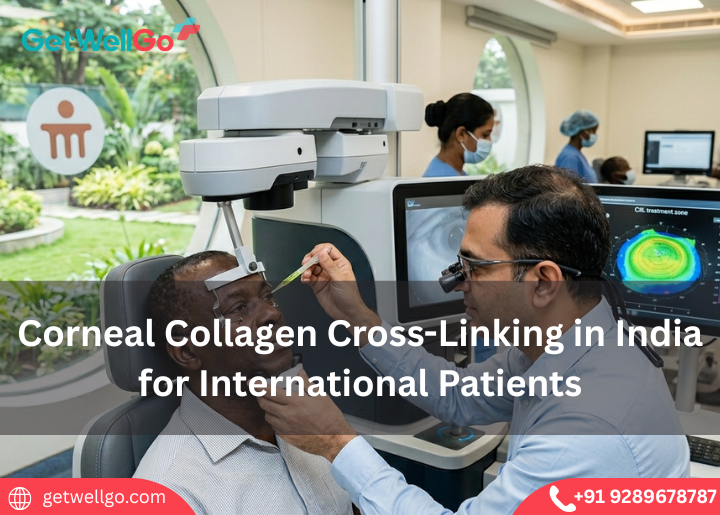
Experience advanced Corneal Collagen Cross-Linking in India to stabilize keratoconus and protect your sight, with full medical visa help from our travel team.
Read More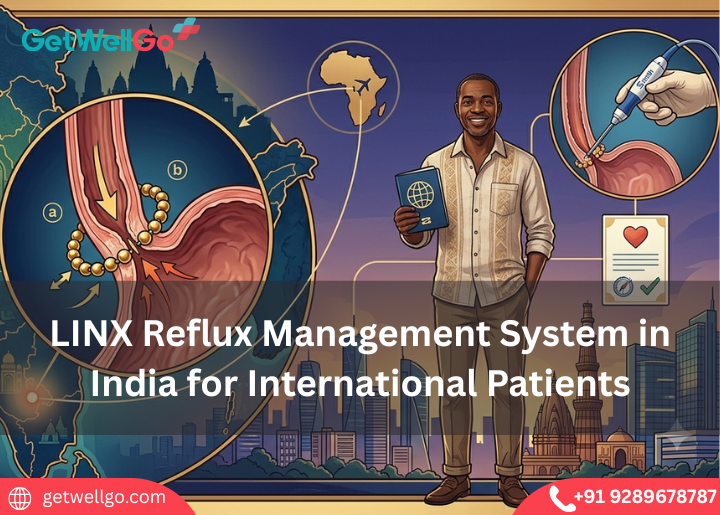
Experience the LINX Reflux Management System in India to stop severe heartburn using a tiny magnetic ring, fully organized by our fast-track medical visa team.
Read More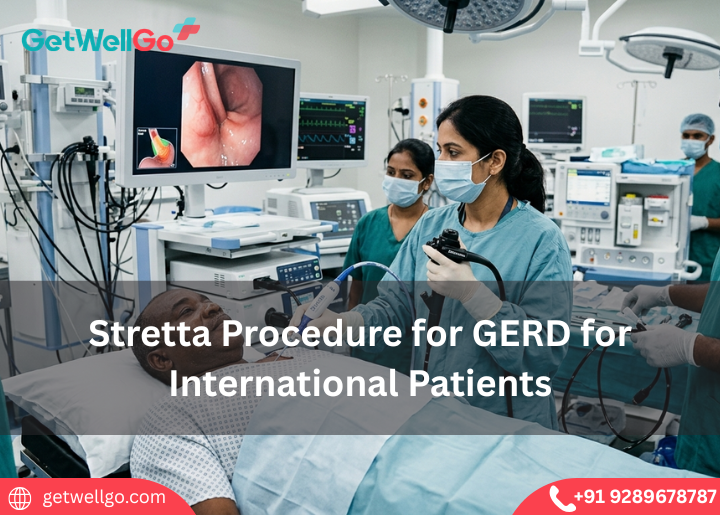
Experience advanced Stretta Procedure for GERD in India to eliminate chronic acid reflux without surgery, completely managed by our fast-track medical visa team
Read More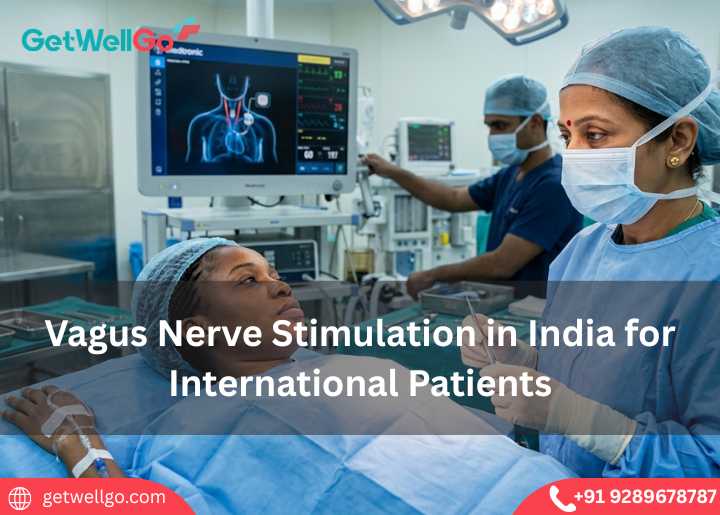
Get advanced vagus nerve stimulation treatment in India with expert care, modern hospitals, and affordable options for international patients.
Read More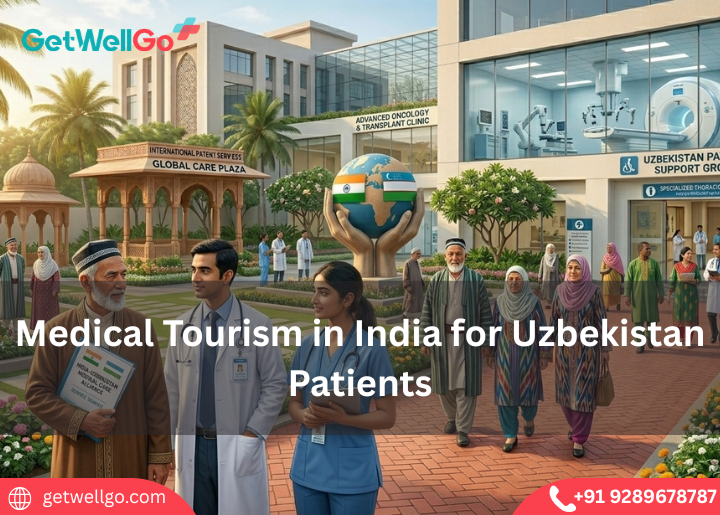
Medical tourism in India for Uzbekistan Patients made easy. GetWellGo handles your top-tier surgery, Uzbek translator, and a safe, warm home for your family.
Read More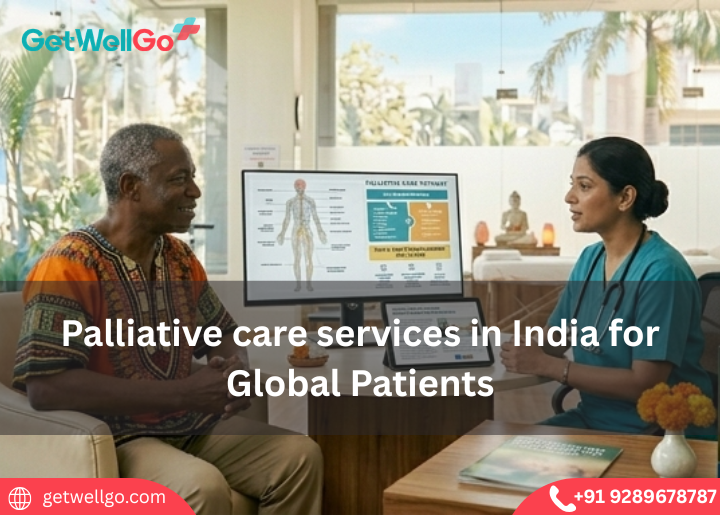
Palliative care services in India focus on your comfort and peace of mind. GetWellGo handles the expert pain relief, visa, and a serene, private home to heal.
Read More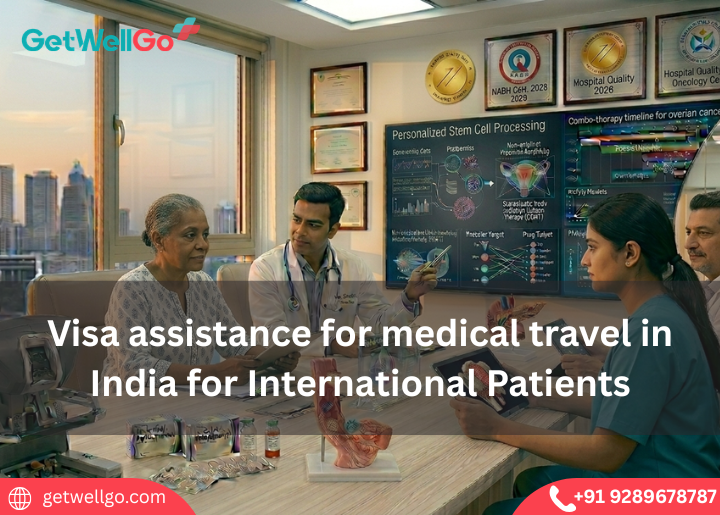
Get reliable visa assistance for medical travel to India. Support with documentation, approvals, and a smooth entry process for global patients.
Read More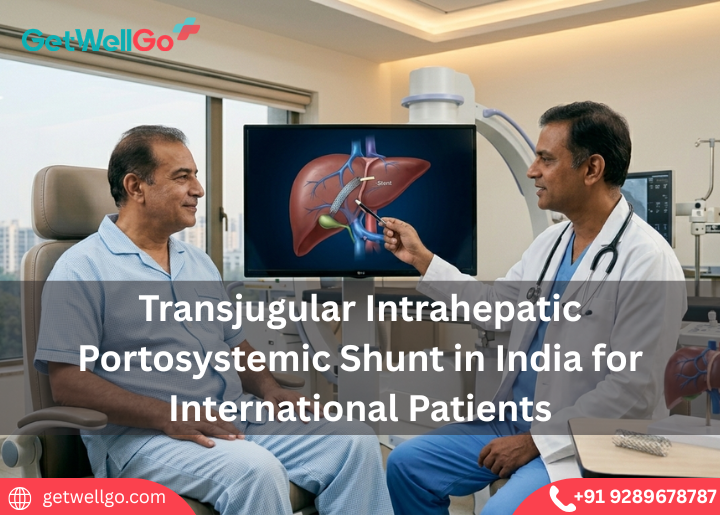
Transjugular Intrahepatic Portosystemic Shunt in India stops dangerous liver bleeding. GetWellGo handles your top specialist, visa, and a safe, cozy stay.
Read More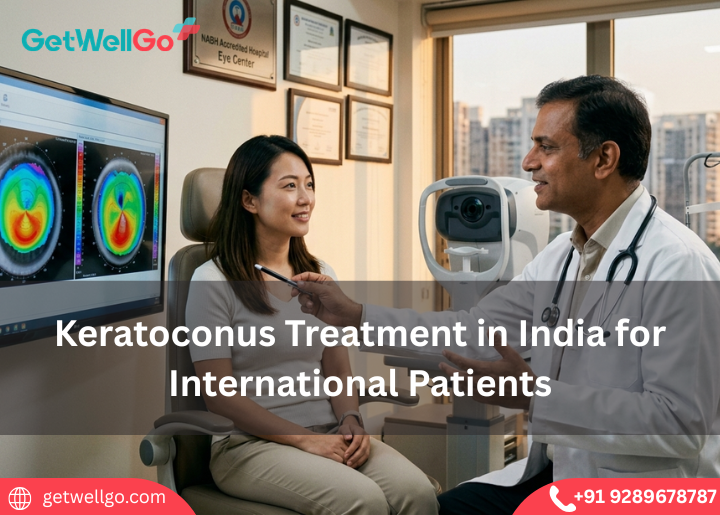
Keratoconus Treatment in India stops your vision from getting worse. GetWellGo handles your advanced eye care, visas, and a safe trip to save your sight.
Read More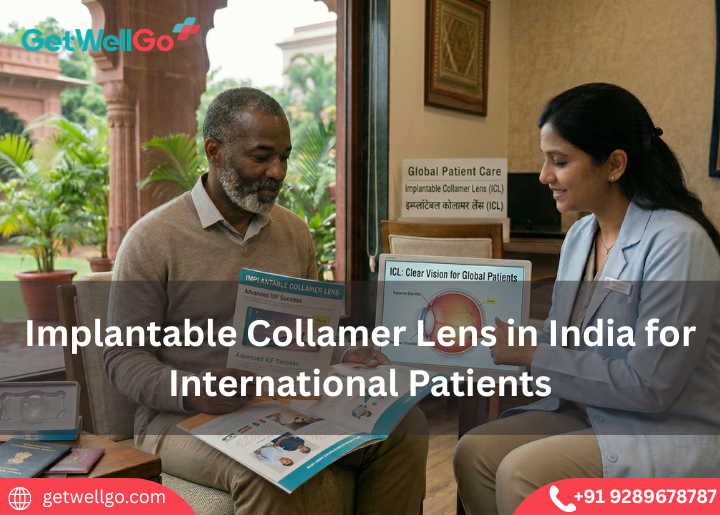
Implantable Collamer Lens in India lets you ditch thick glasses forever. GetWellGo handles your expert eye doctor, flights, and a clear-vision holiday.
Read More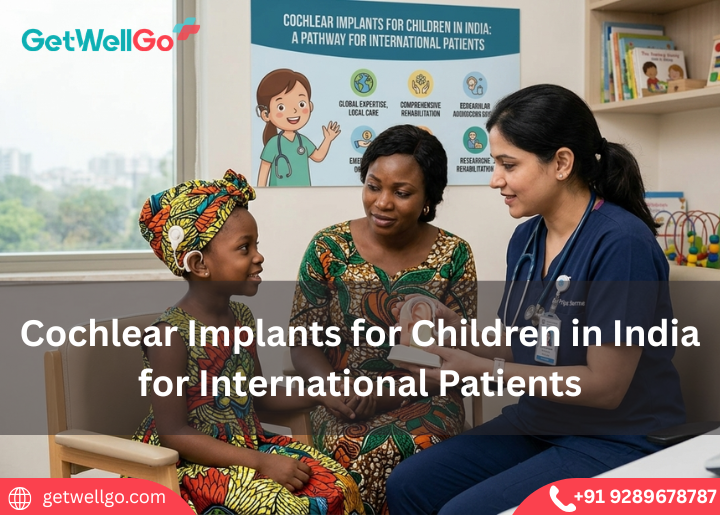
Cochlear Implants for Children in India opens a world of sound. We at GetWellGo plan your affordable ear surgery, airport pickup, and safe family trip.
Read More