Historic Milestone: FMRI Celebrates 2500 Successful Bone Marrow Transplants
Celebrate a historic milestone of 2500 successful Bone Marrow Transplant at Fortis Gurgaon procedures, backed by our complete international patient visa care.
Read More
Get expert polypectomy surgery in India with top hospitals. Learn about the procedure, cost & care for international patients. Trusted by GetWellGo.

Polypectomy refers to a minimally invasive surgery employed to excise aberrant growths called polyps, which are usually located in places such as the colon, uterus, nose, stomach, or cervix. Polypectomy is easily accessible in India and generally conducted using endoscopic methods, which ensure shorter hospital stays, lesser pain, and fewer complications.
The cost of polypectomy in India can vary significantly depending on several key factors. Understanding these factors can help patients plan their treatment and make informed choices. Here's a breakdown:
Top hospitals for colonoscopy and polypectomy:
Artemis Hospital (600‑bed, JCI‑ and NABH‑accredited) is a super‑specialty center in Sector 51, Gurugram. Established in 2007 and accredited by JCI in 2013 and NABH in 2017, it's state‑of‑the‑art in gastroenterology, endoscopy, and minimally invasive surgery equipment. Artemis provides complete diagnostic and therapeutic GI endoscopy services, such as colonoscopy with polypectomy, upper GI endoscopy, ERCP, EUS, EMR/ESD, etc.
A 1,250-bed super-specialty hospital established in 2009 by Dr Naresh Trehan, accredited for high-end care with the latest technology. Has India's first advanced endoscopy centre, with emphasis on minimally invasive GI procedures such as polypectomy. Facilitated for diagnostic and therapeutic colonoscopy and gastroscopy, including polypectomy, ERCP, and EUS. State-of-the-art facilities include da Vinci robotic surgery, echoendoscope, CyberKnife, and 24×7 GI bleed management unit. Intensive multidisciplinary care with as-needed ICU backup and concomitant oncology/radiology teams—especially pertinent when removed polyps need further surgical or oncologic assessment.
FMRI is a 311‑bed, JCI‑ and NABH‑accredited quaternary care multispecialty hospital with state-of-the-art infrastructure, including blood bank, laboratories, ICUs, and OTs. Renowned for placing among the top 25 "smart hospitals" in Newsweek and #2 in NCR in The Week in several years. A future-ready facility with state-of-the-art endoscopy suites providing:
A JCI-, NABH-, ISO-, and NABL-accredited hospital set up in 2006 in South Delhi, belonging to the Max Healthcare chain. More than 500 beds, 12 modular OTs, and high-end imaging & lab facilities. A referral center for 35+ specialties such as Gastroenterology, Cancer Care, Orthopaedics, Neurosciences, and more. Provides complete gastroscopy and colonoscopy, including colon polyp removal, upper GI endoscopy, ERCP, capsule endoscopy, and treatment of colorectal cancer.
A flagship JCI-, NABH-, NABL-accredited super-specialty hospital on Mathura Road, New Delhi, founded in 1995 as part of the Apollo group. Has world-class technology: PET‑CT/MR, da Vinci robot, 128-slice CT, 3 T MRI, Fibroscan, Endosonography. Provides diagnostic and therapeutic colonoscopy and gastroscopy, including polypectomy with hot biopsy, ERCP, EUS, capsule endoscopy, narrow-band and high-resolution endoscopy. Surgical Gastroenterology performs complicated GI and colon surgeries with laparoscopic, robotic, and open techniques in coordination with medical gastroenterologists. Applies snare polypectomy using wire loop and electric current; small polyps can be destroyed with fulguration. Done under sedation to keep the patient comfortable; postoperative care involves rest, IV fluids, and monitoring for bleeding, perforation, or sedation.
Endoscopic polypectomy refers to the minimally invasive removal of polyps (inappropriate tissue growths) from internal organs like the colon, rectum, stomach, or nasal passages, usually during an endoscopy or colonoscopy.
Procedure Steps (e.g., Colonoscopic Polypectomy)
Preparation
Sedation/Anaesthesia
Endoscopic Exam
Polyp Removal Methods
Specimen Retrieval
Resected polyps are retrieved through the channel of the endoscope and are sent to histopathology (biopsy).
Post-Procedure Observation
Recovery observation for 1–2 hours after sedation.
Watch for:
The price of uterine polyp removal surgery in India may be subject to various clinical and non-clinical variables. Here below is an elaborate explanation of the key factors that affect the price of this procedure, which may routinely be done by hysteroscopic polypectomy.
Gastric polypectomy is a procedure of removing polyps from the stomach lining by endoscopy, often done during an upper gastrointestinal endoscopy (gastroscopy). It's routinely carried out in India using contemporary endoscopic methods in private as well as government health facilities.
Gastric polyps are usually incidentally discovered but may need removal if:
India has a very high rate of success for polypectomy, especially when done in well-established hospitals with highly experienced specialists and state-of-the-art endoscopic technology. It is between 95% and 99% on average for success, varying according to the type, size, and position of the polyp.
GetWellGo is regarded as a leading supplier of healthcare services. We help our foreign clients choose the best treatment locations that suit their needs both financially and medically.
We offer:
Celebrate a historic milestone of 2500 successful Bone Marrow Transplant at Fortis Gurgaon procedures, backed by our complete international patient visa care.
Read More
Experience advanced Corneal Collagen Cross-Linking in India to stabilize keratoconus and protect your sight, with full medical visa help from our travel team.
Read More
Experience the LINX Reflux Management System in India to stop severe heartburn using a tiny magnetic ring, fully organized by our fast-track medical visa team.
Read More
Experience advanced Stretta Procedure for GERD in India to eliminate chronic acid reflux without surgery, completely managed by our fast-track medical visa team
Read More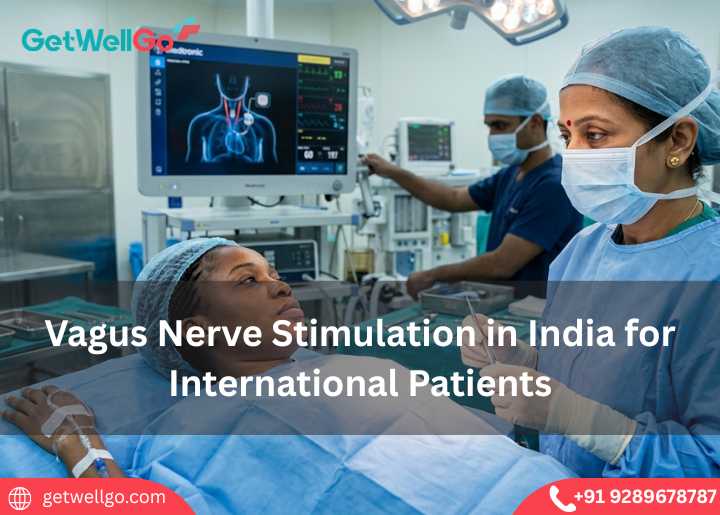
Get advanced vagus nerve stimulation treatment in India with expert care, modern hospitals, and affordable options for international patients.
Read More
Medical tourism in India for Uzbekistan Patients made easy. GetWellGo handles your top-tier surgery, Uzbek translator, and a safe, warm home for your family.
Read More
Palliative care services in India focus on your comfort and peace of mind. GetWellGo handles the expert pain relief, visa, and a serene, private home to heal.
Read More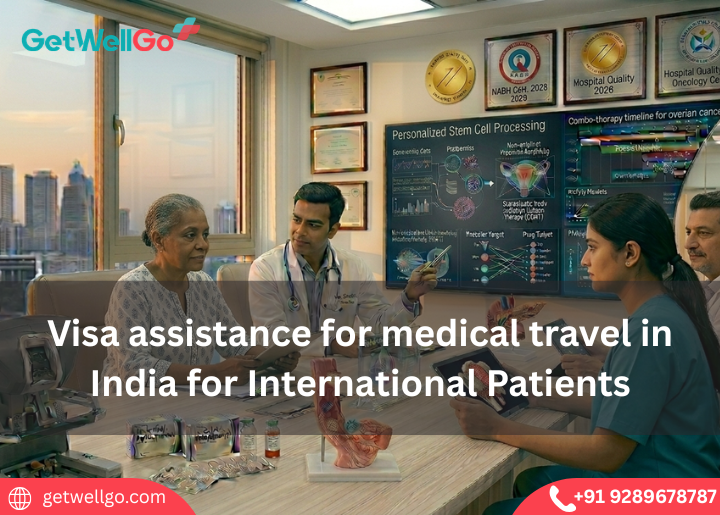
Get reliable visa assistance for medical travel to India. Support with documentation, approvals, and a smooth entry process for global patients.
Read More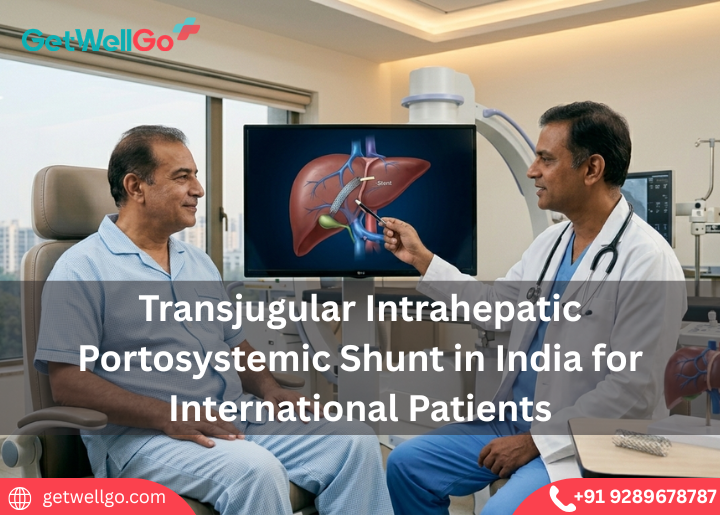
Transjugular Intrahepatic Portosystemic Shunt in India stops dangerous liver bleeding. GetWellGo handles your top specialist, visa, and a safe, cozy stay.
Read More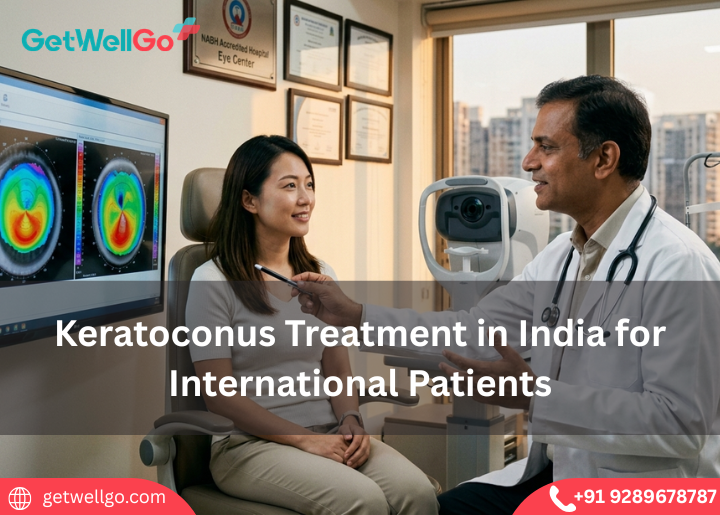
Keratoconus Treatment in India stops your vision from getting worse. GetWellGo handles your advanced eye care, visas, and a safe trip to save your sight.
Read More
Implantable Collamer Lens in India lets you ditch thick glasses forever. GetWellGo handles your expert eye doctor, flights, and a clear-vision holiday.
Read More
Cochlear Implants for Children in India opens a world of sound. We at GetWellGo plan your affordable ear surgery, airport pickup, and safe family trip.
Read More