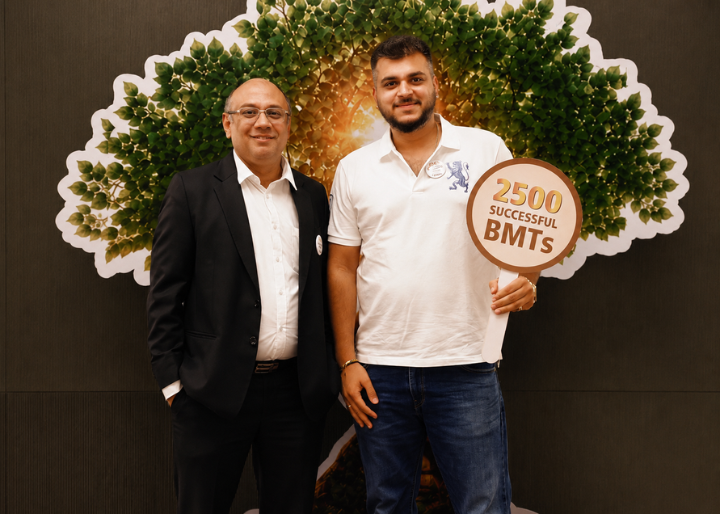
Historic Milestone: FMRI Celebrates 2500 Successful Bone Marrow Transplants
Celebrate a historic milestone of 2500 successful Bone Marrow Transplant at Fortis Gurgaon procedures, backed by our complete international patient visa care.
Read More
GetWellGo connects international patients to India’s best hospitals for Cryptococcal Meningitis treatment. Quality care, easy access, trusted support.

Multidisciplinary approach In India the management is done using antifungal agent and supportive therapy and in extreme cases neurosurgical procedure which is also required. The therapy is usually given in the top tertiary care hospitals which have infectious disease specialists, neurologists, and advanced diagnostics labs.
Induction Phase (Weeks 1-2)
Consolidation (Next 8 weeks)
Oral fluconazole 400-800 mg/day
Maintenance Phase (One year or till recovery of immune system)
Fluconazole Orally 200 mg/day
Diagnosis
Artemis has in place the appropriate infrastructure and special teams to handle cryptococcal meningitis as follows: Experience in neurology and neuro-infectious care supported by Dr. Sumit Singh (Chief Neurology) and supported by neurocritical care lead by Dr. Saurabh Anand. Higher end diagnostic equipment such as 3 T MRI, CT, CSF analysis facilities (India ink, CrAg tests) and ICU, neurocritical care facilities to treat increased intracranial pressure and kidney testing during amphotericin treatment.
Medanta is involved in research and quality intervention of antimicrobial resistance and the infectious disease. It has 3.0T MRI, advanced neuroimaging, interventional neuroradiology, BrainSUITE intraoperative imaging, minimally invasive neurosurgery, and tele-stroke services (which are a mark of high-end neurocritical capabilities). Ample ICU support and monitoring when in need of raised intracranial pressure, including a controlled neurological assessment and a rebalancing of renal/electrolyte during the treatment of amphotericin. Laboratories that have instrumentation available to do CSF diagnosis (India ink, CrAg), culture and surveillance. Capability to administer amphotericin (liposomal or deoxycholate) combined with flu-cytosine, as available-or with high-dose fluconazole as recommended by countries and WHO.
Houses improved technology: 3T and 1.5T MRI units, 256-slice CT, Brain Suite which is dedicated to intraoperative imaging, Gamma Knife, and a Digital 3 Tesla MRI which has high resolutions of imaging neurosurgical procedures. The unit has an in-depth neuro-monitoring capabilities, intracranial pressure, and post-infection neurological care unit. Full Infectious Diseases care to deal with opportunistic CNS infections such as cryptococcal meningitis. Properly equipped CSF diagnostic laboratories (India ink stain, serum/CSF CrAg, fungae cultures) and world-class resolute imaging. Laboratories equipped to give amphotericin B (liposomal or deoxycholate) with flucytosine or, failing this, amphotericin with high-dose fluconazole as per WHO/Indian standards. The presence of high-quality ICU facility like the E‑ICU, remote monitoring setup, and neurocritical care beds to treat complications of antifungal treatment like nephrotoxicity and electrolyte system.
Key infrastructure facilities are 3.0 T MRI, 128 slice CT, and intra-operative intra-operative MRI based BrainSuite, dedicated neuro-ICU, modular operation theatres, robotic surgery and advanced imaging labs. The hospital positions itself as a leading chronic infectious disease management centre in Delhi, with clinicians who have the expertise to care immunocompromised patients portraying complex manifestations managed with antimicrobial stewardship as a strict protocol. The high-end diagnostics are features of CSF testing (India ink, cryptococcal antigen, fungal culture) and neuroimaging, as well as ICP monitoring due to neuro-ICU support and integrated monitoring. Treatment complications (e.g. amphotericin toxicity) are addressed by fully equipped neuro-critical ICU with such facilities as means of CRRT, ICP monitoring, advanced ventilation, and so on.
Cryptococcal meningitis is an infection caused by a fungus, which is a disease of the brain and the spinal cord with the potential to be fatal, and primarily occurs among those living with HIV/AIDS, organ transplants, or compromised immune systems. Early diagnosis and step-by-step antifungal therapy leads to a significantly higher chance of survival.
3-Phase Treatment Approach:
Objective: Rapid clearance of infection of cerebral spinal fluid (CSF)
Preferred regimen:
In case of unavailability of flucytosine:
Amphotericin B + Fluconazole (20000 mg/day)
A major antifungal that finds application in treating cryptococcal meningitis is fluconazole, which is applied in consolidation and maintenance periods. Nonetheless, it is too weak to effect induction chemotherapy by itself unless other antifungals (such as amphotericin B or flucytosine) are not available.
In what Condition is Fluconazole Applied?
Flucytosine unavailable:
Continue with:
Fluconazole monotherapy is worse and has more relapses and mortality. The use of the drug would only be necessary when amphotericin and flucytosine would not be available.
GetWellGo is a well known medical tourism and patient support company based in India, assisting other countries (as well as local) patients receive quality, specialized support and treatment around complex conditions such as cryptococcal meningitis at affordable costs. This is a summary of how this condition is treated with the help of GetWellGo in India:
Cryptococcal meningitis refers to severe fungal infection within the brain and the spinal cord, which is frequently caused by fungal infection that occurs in patients with HIV/AIDS, cancer or transplant cases. India also provides WHO-standard treatment in the best hospitals, and GetWellGo will help you at each stage.
GetWellGo is regarded as a leading supplier of healthcare services. We help our foreign clients choose the best treatment locations that suit their needs both financially and medically.
We offer:
Celebrate a historic milestone of 2500 successful Bone Marrow Transplant at Fortis Gurgaon procedures, backed by our complete international patient visa care.
Read More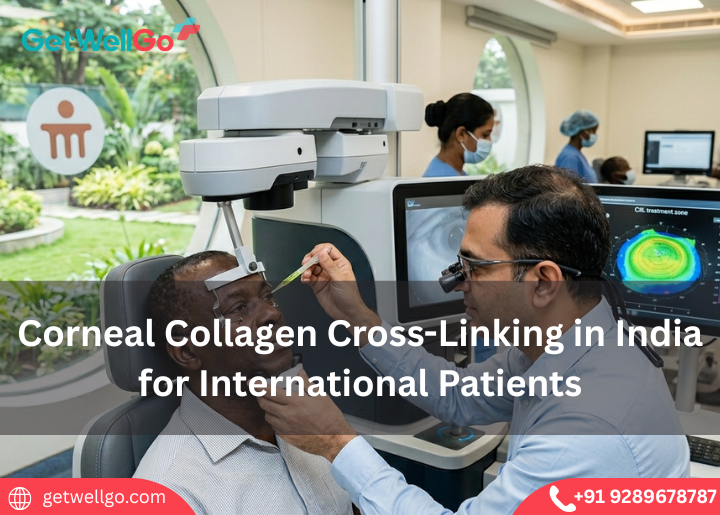
Experience advanced Corneal Collagen Cross-Linking in India to stabilize keratoconus and protect your sight, with full medical visa help from our travel team.
Read More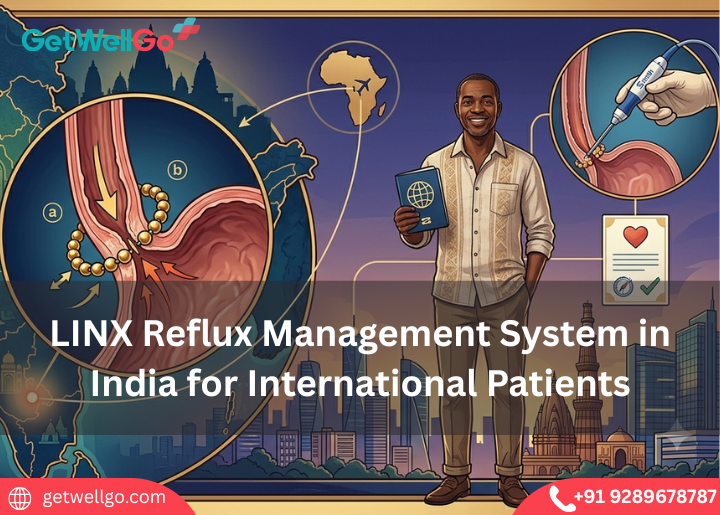
Experience the LINX Reflux Management System in India to stop severe heartburn using a tiny magnetic ring, fully organized by our fast-track medical visa team.
Read More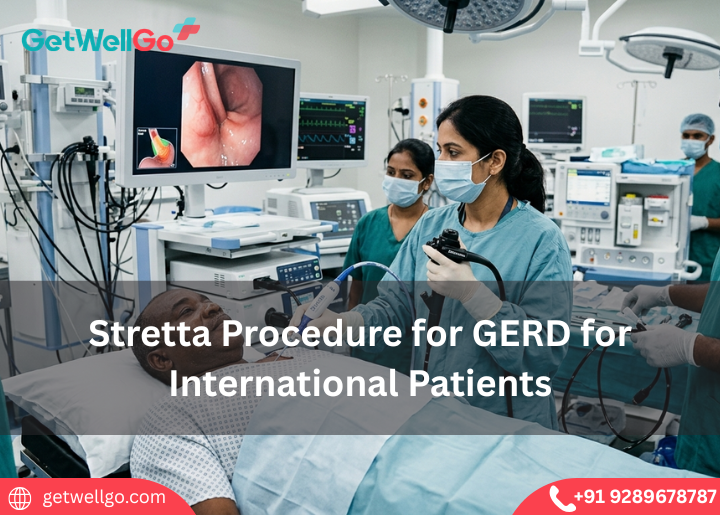
Experience advanced Stretta Procedure for GERD in India to eliminate chronic acid reflux without surgery, completely managed by our fast-track medical visa team
Read More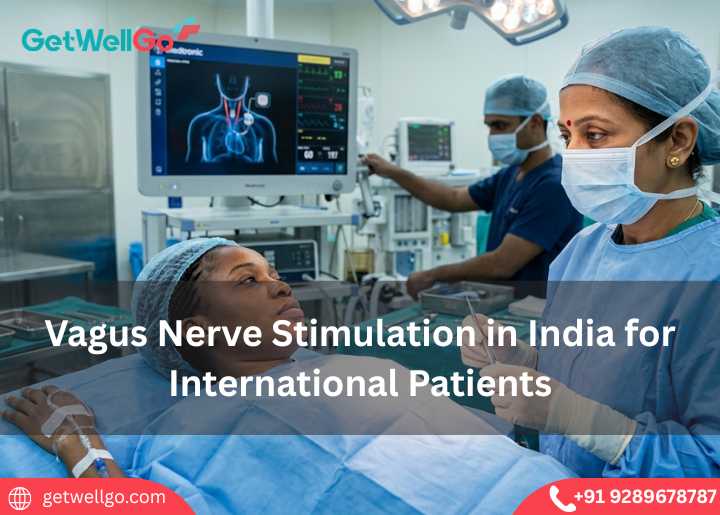
Get advanced vagus nerve stimulation treatment in India with expert care, modern hospitals, and affordable options for international patients.
Read More
Medical tourism in India for Uzbekistan Patients made easy. GetWellGo handles your top-tier surgery, Uzbek translator, and a safe, warm home for your family.
Read More
Palliative care services in India focus on your comfort and peace of mind. GetWellGo handles the expert pain relief, visa, and a serene, private home to heal.
Read More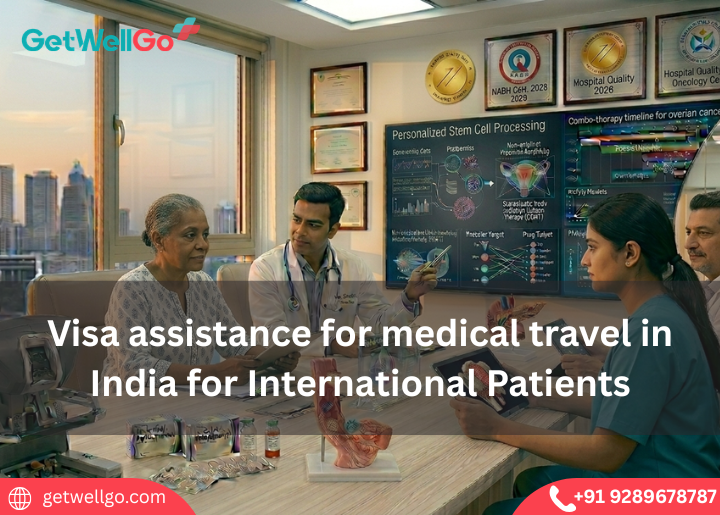
Get reliable visa assistance for medical travel to India. Support with documentation, approvals, and a smooth entry process for global patients.
Read More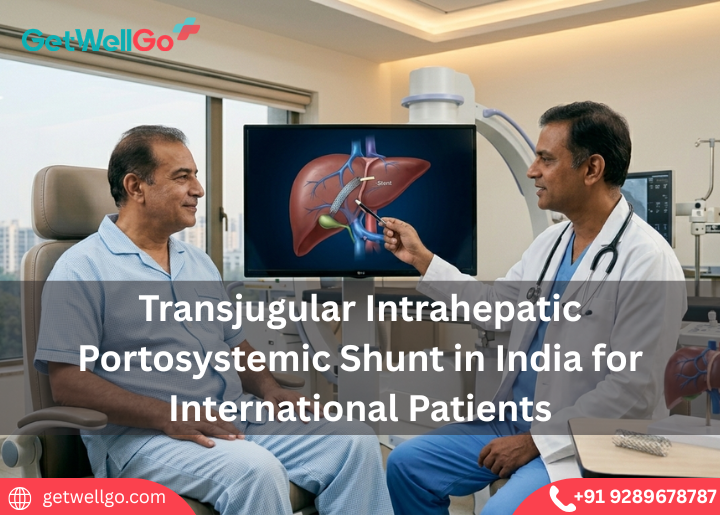
Transjugular Intrahepatic Portosystemic Shunt in India stops dangerous liver bleeding. GetWellGo handles your top specialist, visa, and a safe, cozy stay.
Read More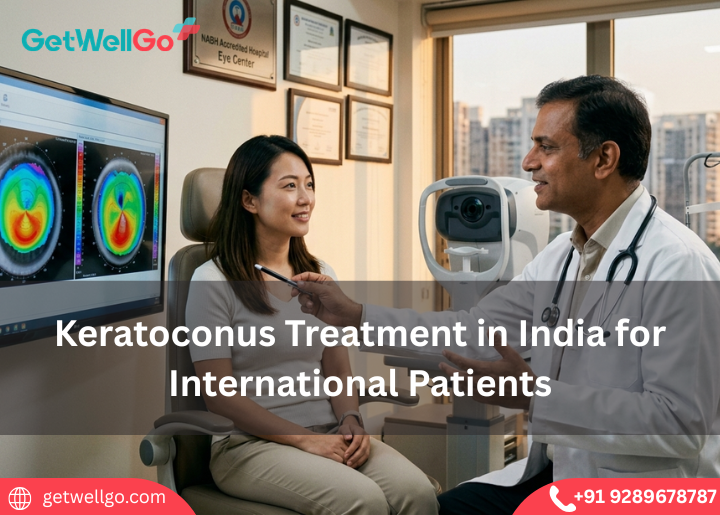
Keratoconus Treatment in India stops your vision from getting worse. GetWellGo handles your advanced eye care, visas, and a safe trip to save your sight.
Read More
Implantable Collamer Lens in India lets you ditch thick glasses forever. GetWellGo handles your expert eye doctor, flights, and a clear-vision holiday.
Read More
Cochlear Implants for Children in India opens a world of sound. We at GetWellGo plan your affordable ear surgery, airport pickup, and safe family trip.
Read More