
Historic Milestone: FMRI Celebrates 2500 Successful Bone Marrow Transplants
Celebrate a historic milestone of 2500 successful Bone Marrow Transplant at Fortis Gurgaon procedures, backed by our complete international patient visa care.
Read More
Get detailed information on glaucoma treatment in India, including early symptoms, diagnosis, and approximate cost for effective eye care and pressure control.
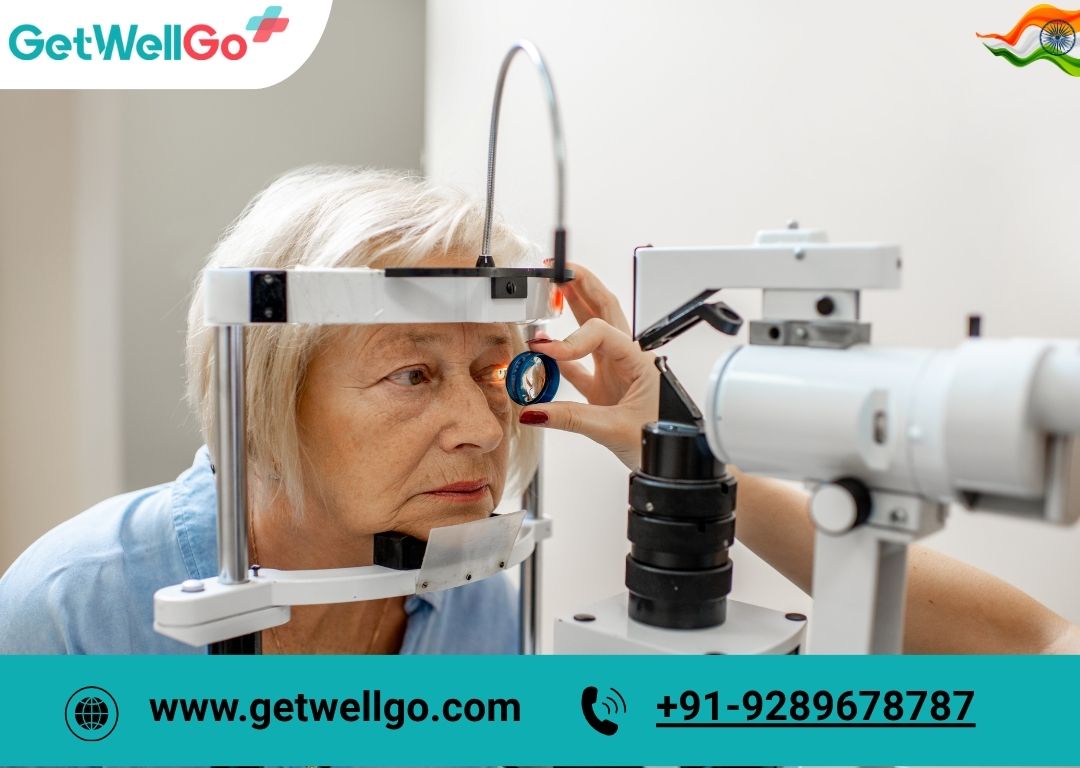
Glaucoma refers to a collection of eye disorders that destroy the optic nerve, usually caused by increased intraocular pressure (IOP). It may cause permanent vision loss if not treated. India is one of the major hubs for advanced and low-cost glaucoma care, with a blend of skilled ophthalmologists, world-class technology, and internationally recognized hospitals.
The price of glaucoma eye surgery in India differs considerably owing to several factors. Knowing these helps global patients make well-informed decisions based on cost, treatment objective, and type of facility.
Glaucoma refers to a collection of eye conditions that lead to optic nerve damage, frequently as a result of elevated intraocular pressure (IOP). It is a major cause of irreversible blindness, particularly among individuals aged 40 and above.
Open-Angle Glaucoma (most frequent)
Angle-Closure Glaucoma (emergency)
Normal-Tension Glaucoma
Like open-angle, but with normal eye pressure
Congenital Glaucoma (children)
Secondary Glaucoma
Based on underlying cause (e.g., trauma, steroids, uveitis)
Treatment is aimed at reducing eye pressure (IOP) to avoid further optic nerve damage:
Medications (Eye Drops & Tablets)
Laser Therapies
Surgical Interventions
Best hospital for glaucoma in India
Fortis Healthcare is among India's top multispecialty hospital chains, providing end-to-end glaucoma diagnosis and treatment under its ophthalmology departments at its prime locations like Delhi NCR (Gurgaon, Noida, Delhi), Mumbai, Bangalore, Chennai, and Mohali.
Salient Features of Glaucoma Treatment at Fortis:
Specialized Glaucoma Clinics
Operated by fellowship-trained glaucoma specialists
Employment of state-of-the-art diagnostic equipment such as:
a. Medical Therapy
b. Laser Procedures
c. Surgical Procedures
International Patient Services at Fortis
Success of glaucoma surgeries in India is high, provided it is done at good eye hospitals by skilled surgeons. Success also varies on various factors such as the procedure, severity of the glaucoma, patient compliance, and post-operative care.
Success Rates According to Type of Glaucoma Surgery:
Trabeculectomy (conventional surgery)
Glaucoma Drainage Implants (e.g., Ahmed valve)
Minimally Invasive Glaucoma Surgery (MIGS)
Laser Surgery (SLT, Iridotomy)
Glaucoma is referred to as the "silent thief of sight" since it usually produces no symptoms in early disease, particularly in open-angle glaucoma. Adults, however, may develop observable signs as the disease advances or in other forms of glaucoma.
Open-Angle Glaucoma (most common type)
Often painless and symptom-free in the beginning
Signs (usually appear slowly):
Angle-Closure Glaucoma (emergency condition)
Due to sudden obstruction of fluid drainage
Acute symptoms:
Normal-Tension Glaucoma
Damage to the optic nerve with normal eye pressure
Symptoms:
Secondary Glaucoma
Secondary to eye injury, steroids, uveitis, etc.
Symptoms vary but can include:
Celebrate a historic milestone of 2500 successful Bone Marrow Transplant at Fortis Gurgaon procedures, backed by our complete international patient visa care.
Read More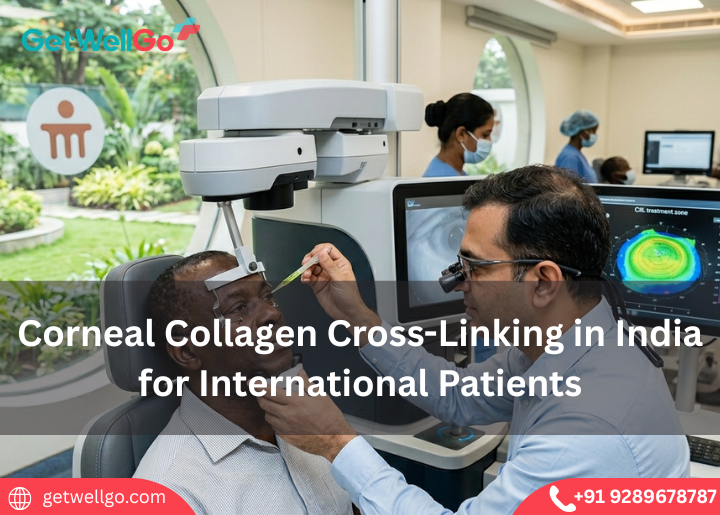
Experience advanced Corneal Collagen Cross-Linking in India to stabilize keratoconus and protect your sight, with full medical visa help from our travel team.
Read More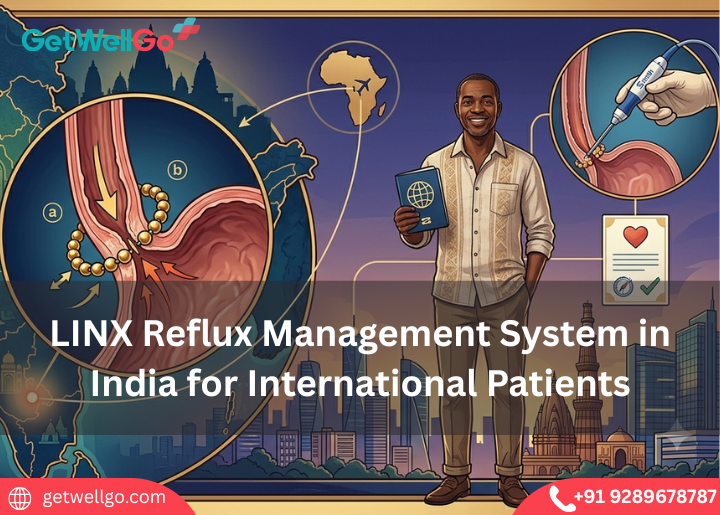
Experience the LINX Reflux Management System in India to stop severe heartburn using a tiny magnetic ring, fully organized by our fast-track medical visa team.
Read More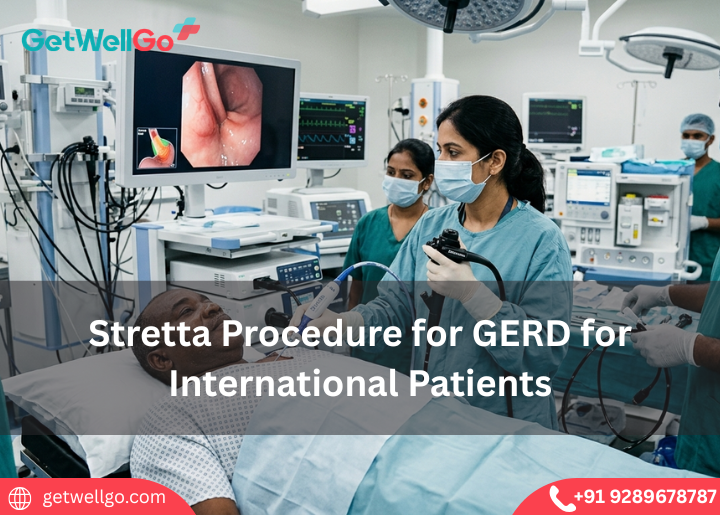
Experience advanced Stretta Procedure for GERD in India to eliminate chronic acid reflux without surgery, completely managed by our fast-track medical visa team
Read More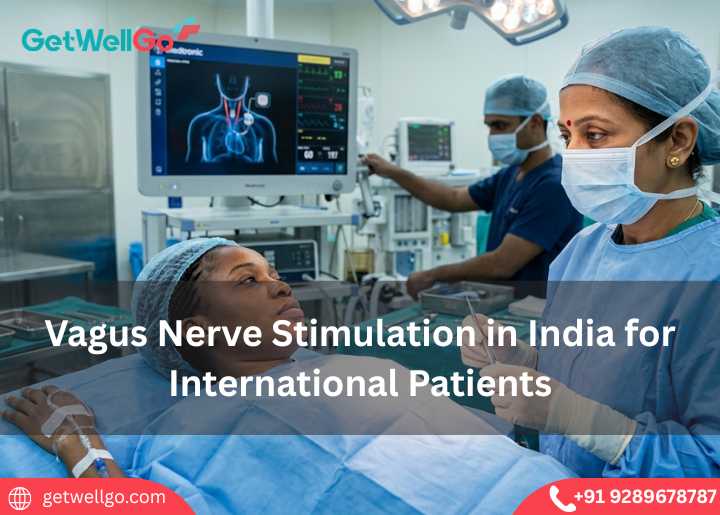
Get advanced vagus nerve stimulation treatment in India with expert care, modern hospitals, and affordable options for international patients.
Read More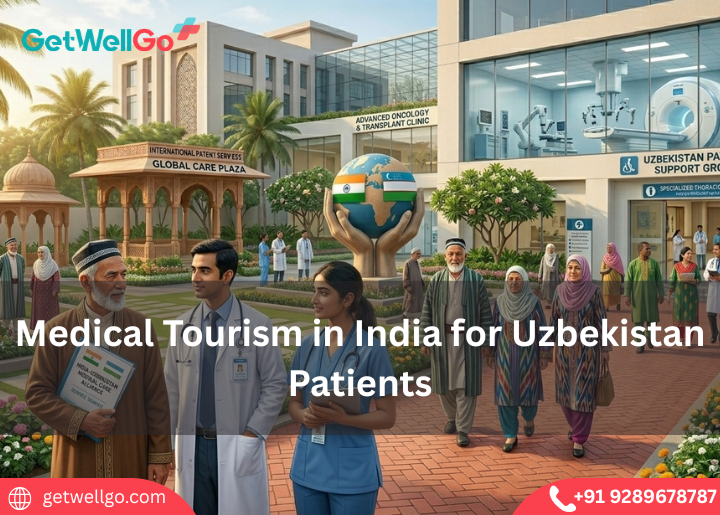
Medical tourism in India for Uzbekistan Patients made easy. GetWellGo handles your top-tier surgery, Uzbek translator, and a safe, warm home for your family.
Read More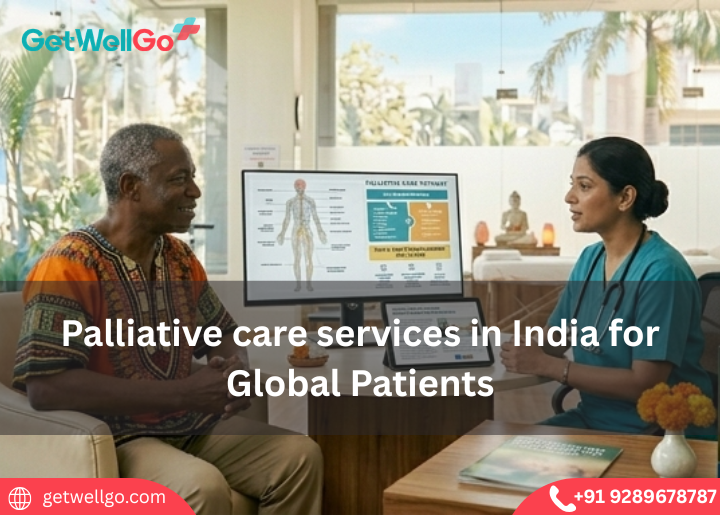
Palliative care services in India focus on your comfort and peace of mind. GetWellGo handles the expert pain relief, visa, and a serene, private home to heal.
Read More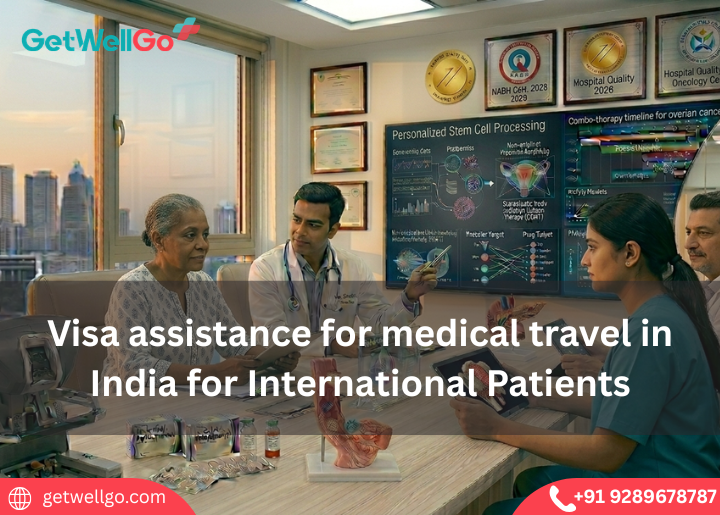
Get reliable visa assistance for medical travel to India. Support with documentation, approvals, and a smooth entry process for global patients.
Read More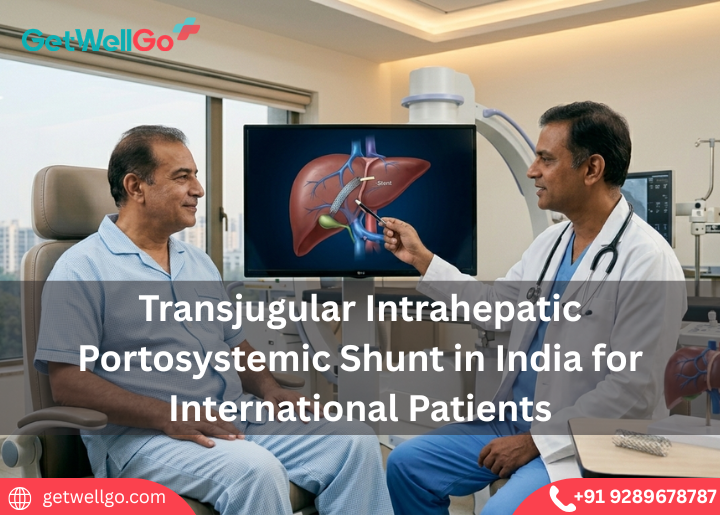
Transjugular Intrahepatic Portosystemic Shunt in India stops dangerous liver bleeding. GetWellGo handles your top specialist, visa, and a safe, cozy stay.
Read More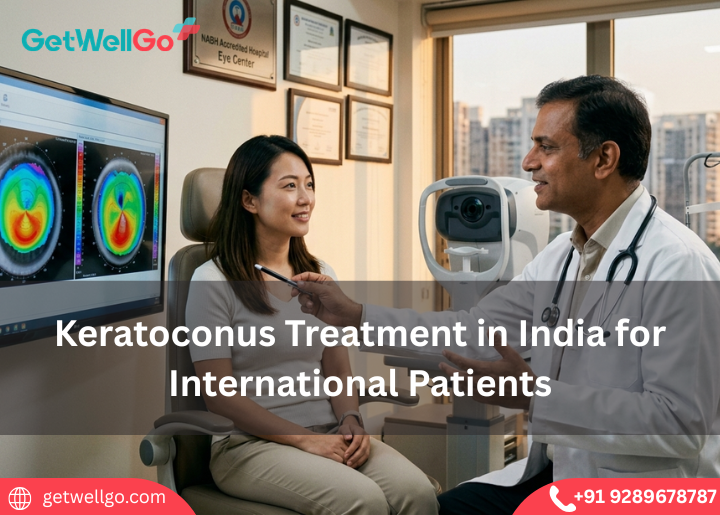
Keratoconus Treatment in India stops your vision from getting worse. GetWellGo handles your advanced eye care, visas, and a safe trip to save your sight.
Read More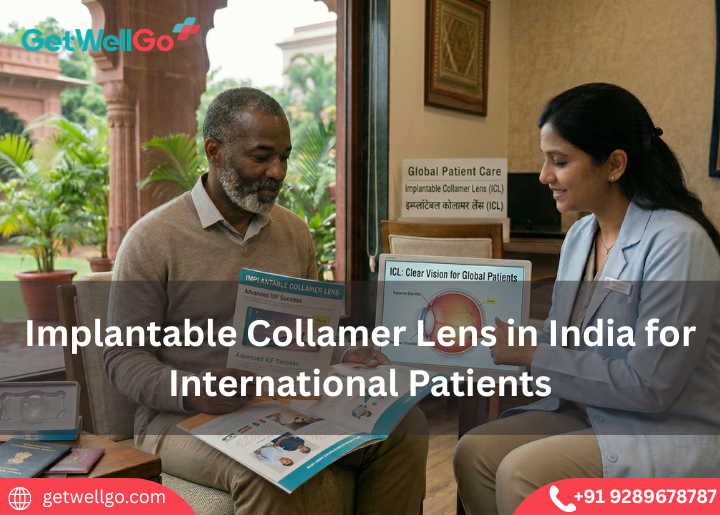
Implantable Collamer Lens in India lets you ditch thick glasses forever. GetWellGo handles your expert eye doctor, flights, and a clear-vision holiday.
Read More
Cochlear Implants for Children in India opens a world of sound. We at GetWellGo plan your affordable ear surgery, airport pickup, and safe family trip.
Read More