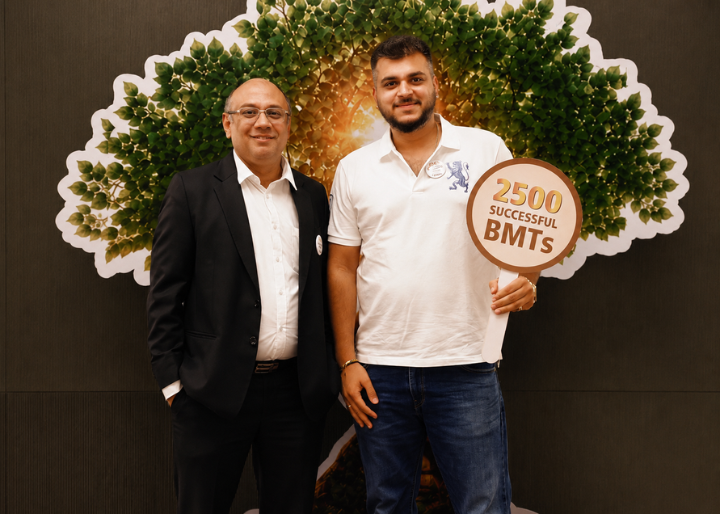
Historic Milestone: FMRI Celebrates 2500 Successful Bone Marrow Transplants
Celebrate a historic milestone of 2500 successful Bone Marrow Transplant at Fortis Gurgaon procedures, backed by our complete international patient visa care.
Read More
Gallstones are solid particles that form in the gallbladder. Learn about Symptoms and treatment for this sometimes painful digestive disorder.

Gallbladder stones or gallstones are concretions of the gallbladder formed in the bile secreted by the liver. It is not always possible to point out the exact gallbladder stones cause or gallstones cause behind them; however, the following factors will contribute to the formation:
However, gallstones may be asymptomatic at times. However, gallstones obstructing the duct result to gallbladder attacks or biliary colic lead to gallstones symptoms:
Gallstones Treatment depends on the manifestation of symptoms. However, if the gallstones are asymptomatic, then one does not need medical intervention. However, if they pain or complicate the issue, the following possibilities are regarded:
Oral Bile Acid Pills (Ursodeoxycholic Acid - Ursodiol, Chenodiol)
Extracorporeal Shock Wave Lithotripsy (ESWL)
It is a procedure that is used to fragment gallstones within the body using sound waves.
It is indicated in certain conditions where the use of surgery is not possible.
It is often used in conjunction with, as another name for or has been confused with the bile acid pills.
Laparoscopic Cholecystectomy (Minimally Invasive Gallbladder Removal)
Open Cholecystectomy (Traditional Surgery)
A gallbladder pain (biliary colic) is a type of abdominal pain resulting from disruptions to the gallbladder function, gallstones, or inflammation. The most common causes include:
Gallbladder pain (biliary colic) can be mild or severe and may have other signs based on the cause.
Treatment for gallbladder pain varies with the cause, severity, and frequency of symptoms. The following are the options that are available:
Dietary Adjustments:
Pain Relief:
Maintain Healthy Weight:
Avoid sudden weight loss, which will induce gallstone formation.
Pain Relievers:
Ibuprofen or acetaminophen, over-the-counter pain medications.
Gallstone Dissolving Medications:
Gallstone Removal Surgery
Gallstone surgery is referred to as cholecystectomy, where the gallbladder is removed to avoid future gallstone-related problems. It is the most optimal treatment for recurrent gallbladder pain, inflammation, or complications.
Laparoscopic Cholecystectomy (Minimally Invasive Surgery)
Open Cholecystectomy (Old-Fashioned Surgery)
Gallbladder Surgery Recovery
Recovery time from gallbladder removal surgery varies with the procedure. Most individuals recover in a few weeks, but some dietary and lifestyle modifications may be required.
Laparoscopic Cholecystectomy (Minimally Invasive Surgery)
Open Cholecystectomy (Traditional Surgery)
Celebrate a historic milestone of 2500 successful Bone Marrow Transplant at Fortis Gurgaon procedures, backed by our complete international patient visa care.
Read More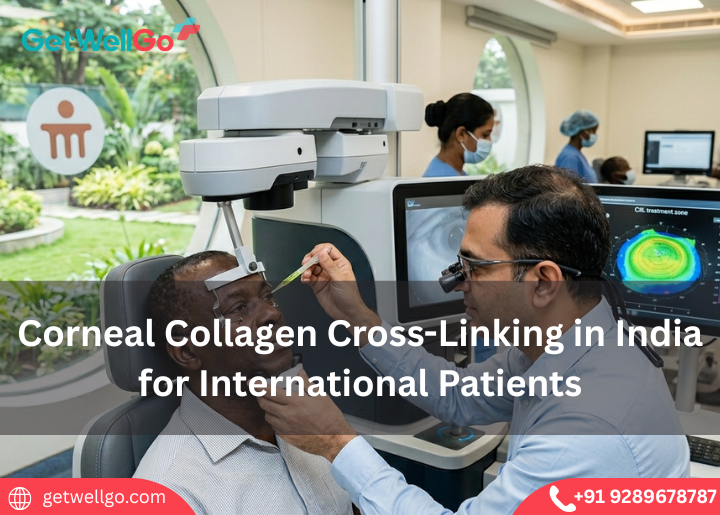
Experience advanced Corneal Collagen Cross-Linking in India to stabilize keratoconus and protect your sight, with full medical visa help from our travel team.
Read More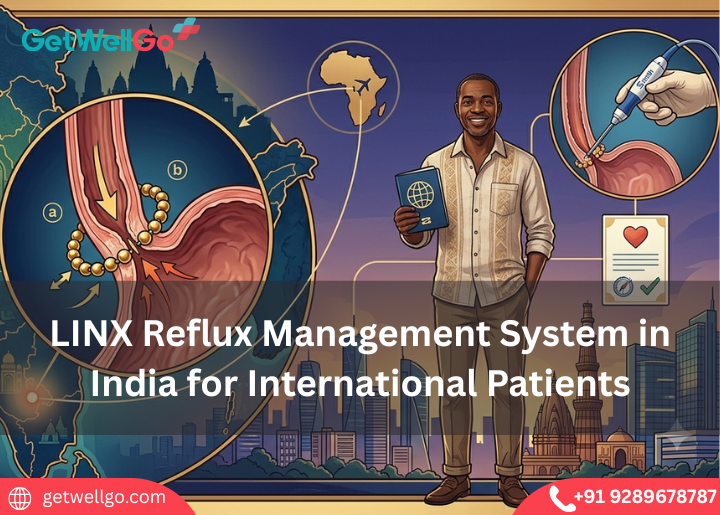
Experience the LINX Reflux Management System in India to stop severe heartburn using a tiny magnetic ring, fully organized by our fast-track medical visa team.
Read More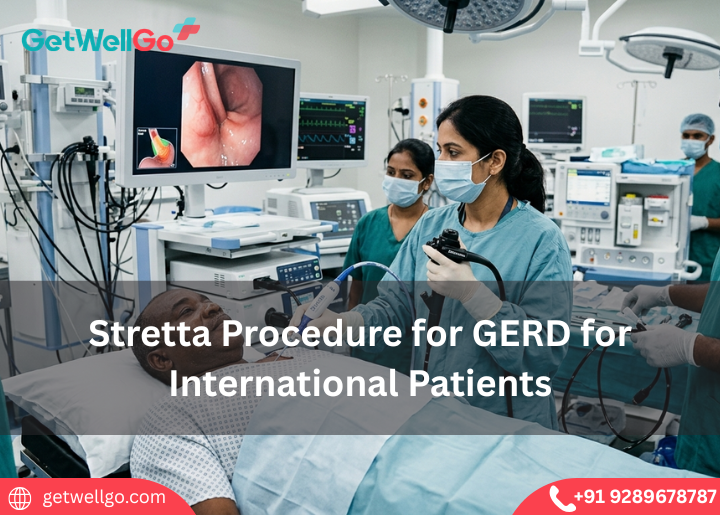
Experience advanced Stretta Procedure for GERD in India to eliminate chronic acid reflux without surgery, completely managed by our fast-track medical visa team
Read More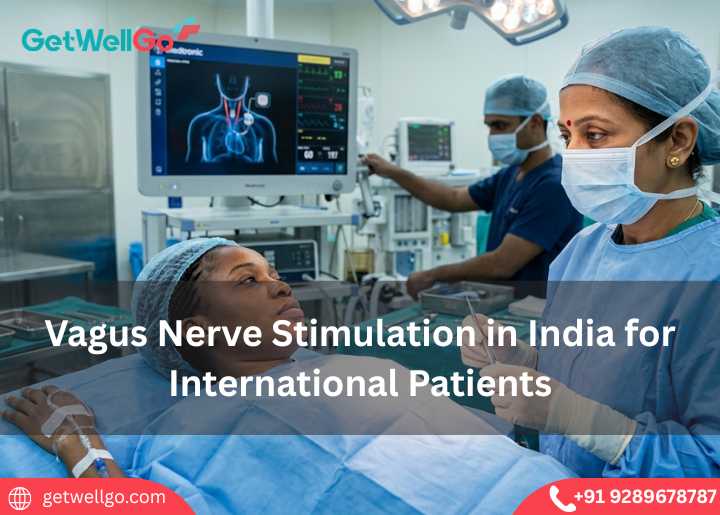
Get advanced vagus nerve stimulation treatment in India with expert care, modern hospitals, and affordable options for international patients.
Read More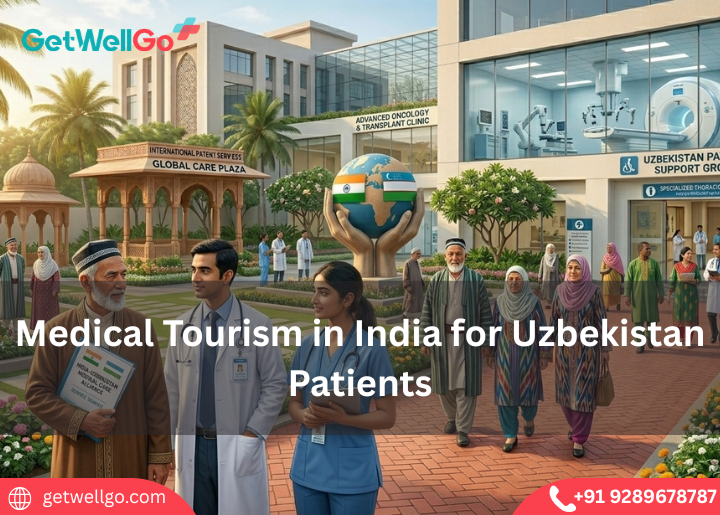
Medical tourism in India for Uzbekistan Patients made easy. GetWellGo handles your top-tier surgery, Uzbek translator, and a safe, warm home for your family.
Read More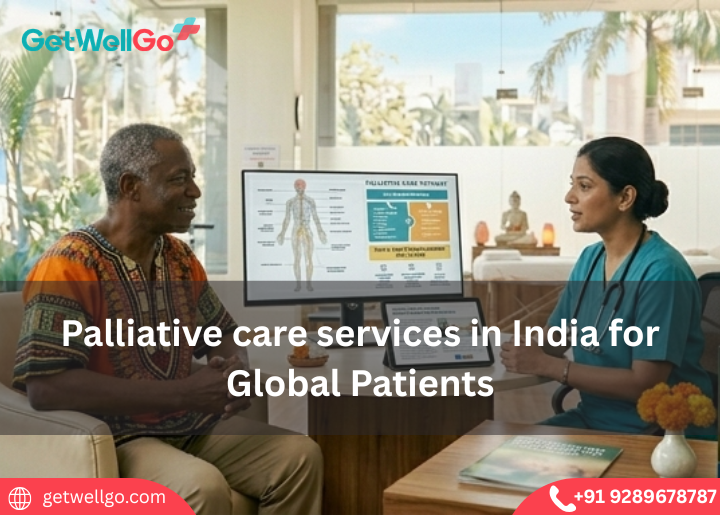
Palliative care services in India focus on your comfort and peace of mind. GetWellGo handles the expert pain relief, visa, and a serene, private home to heal.
Read More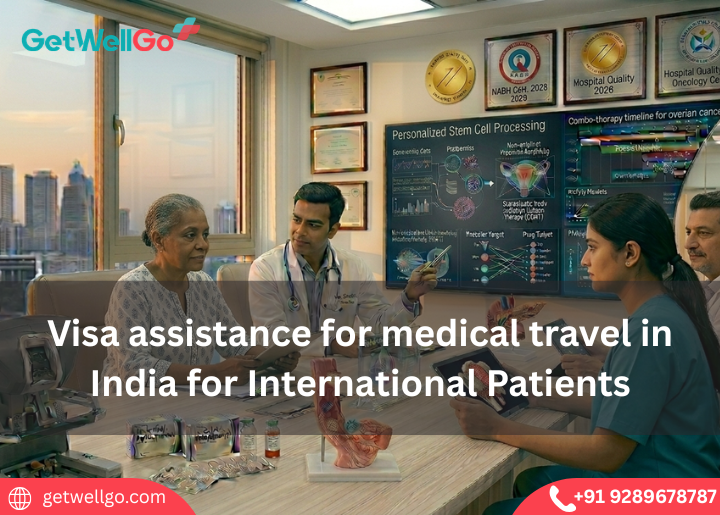
Get reliable visa assistance for medical travel to India. Support with documentation, approvals, and a smooth entry process for global patients.
Read More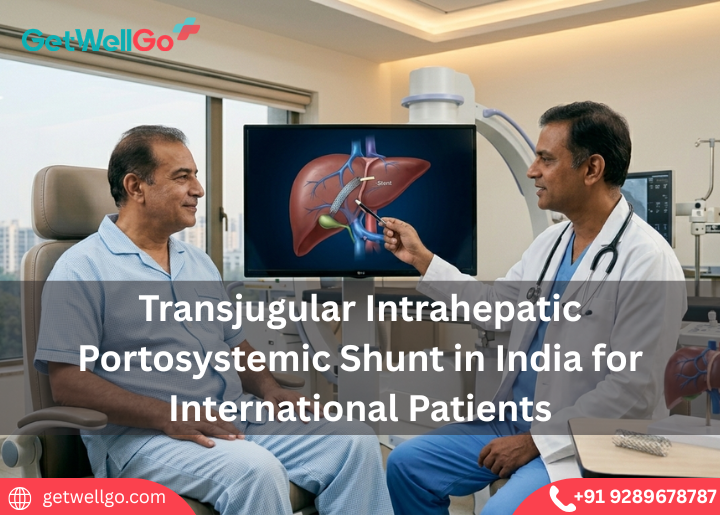
Transjugular Intrahepatic Portosystemic Shunt in India stops dangerous liver bleeding. GetWellGo handles your top specialist, visa, and a safe, cozy stay.
Read More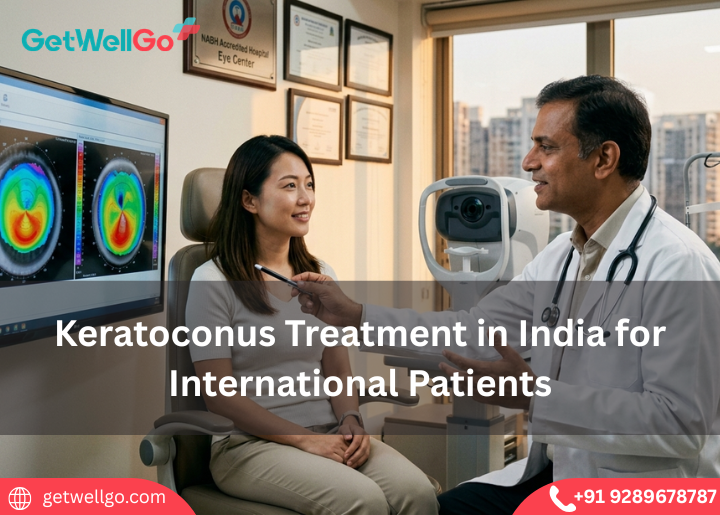
Keratoconus Treatment in India stops your vision from getting worse. GetWellGo handles your advanced eye care, visas, and a safe trip to save your sight.
Read More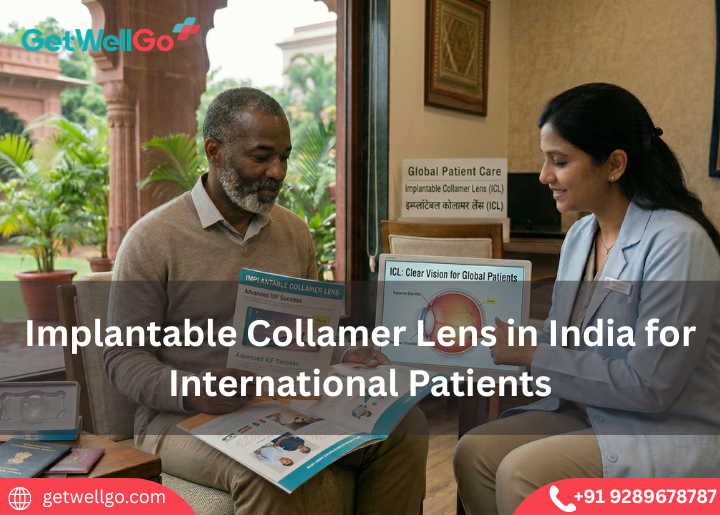
Implantable Collamer Lens in India lets you ditch thick glasses forever. GetWellGo handles your expert eye doctor, flights, and a clear-vision holiday.
Read More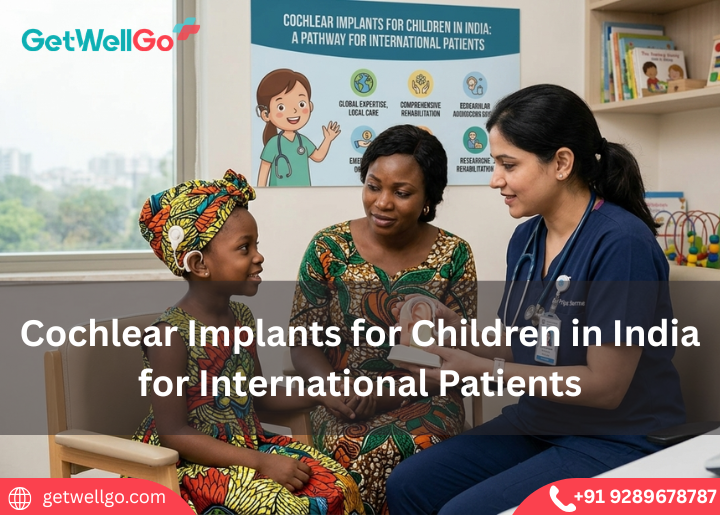
Cochlear Implants for Children in India opens a world of sound. We at GetWellGo plan your affordable ear surgery, airport pickup, and safe family trip.
Read More