
Historic Milestone: FMRI Celebrates 2500 Successful Bone Marrow Transplants
Celebrate a historic milestone of 2500 successful Bone Marrow Transplant at Fortis Gurgaon procedures, backed by our complete international patient visa care.
Read More
GetWellGo helps international patients access safe, affordable corneal transplant in India with skilled surgeons, quality hospitals, travel help, and complete guidance for smooth treatment and healing.
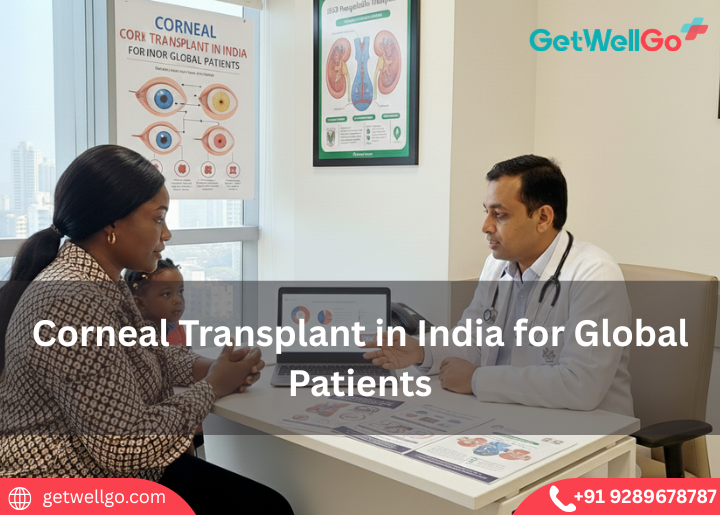
Keratoplasty (or corneal transplant) is a surgery in which a clouded or scarred cornea (the clear front part of the eye) is exchanged with optically clear tissue from a donor. It is performed to heal sight or minimize pain in case other interventions have been ineffective.
Some of the most frequent causes are:
Different methods are related to the area of the cornea to be used:
A corneal transplant is an operation where a wounded or ill cornea (the transparent, dome-shaped front surface of the eye) is substituted with a good donor cornea. This allows vision to be corrected and clarity improved in eyes where the cornea has been scarred, thinned, opacified or shaped abnormally by disease, trauma, or infection.
Some of the conditions that may be suggested by your eye doctor include:
The type of surgery depends on the areas of the cornea:
Keratoplasty penetration (PK)
Full-thickness transplant = one replaces the whole cornea.
Lamellar Keratoplasty
Transplants of the partial thickness:
Before Surgery
During Surgery
After Surgery
In India, the success rates of corneal transplant (keratoplasty) are as follows:
Generally, the corneal transplants are one of the most successful procedures of organ transplants- success rates in India are generally reported in high range as long as the transplant procedures are performed in an ideal environment (good donor tissue, proper indication and proper follow-up) then transplant is likely to be successful.
According to numerous sources, the overall success rate of first-time optical grafts (i.e., the grafts aimed at the enhancement of vision and not only therapeutic/tectonic) is approximately 85-95%.
Keratoplasty incisional (full thickness): Graft survival and improvement in visibility in simple cases is 80-90% at 1 year.
Endothelial/Lamellar Surgeries (DSEK,DMEK):
Greater success - typically 90-95% particularly in appropriate patients who have an endothelial disease.
Historical clinical studies indicate that graft survival is diminished over time, and it is typical in transplantation of the cornea:
They are the transparent front part of the eye that focuses the vision and is known as the cornea.
The extent and location of corneal damage differ, and different surgical methods are applied:
Keratoplasty
Lamellar Keratoplasty
Keratoprosthesis (KP) or Artificial Cornea
Corneal transplant (also known as keratoplasty) involves surgery to either replace a damaged or opaque cornea (the front surface of the eye that is transparent) with healthy eye bank donor corneal tissue. That is to heal or to a large extent enhance vision on those eyes where the cornea has lost transparency either because of disease, injury, infection or degeneration.
Corneal transplant (or keratoplasty) is a medical operation performed to replace a damaged, scarred or clouded cornea (the transparent front layer of the eye) with a cornea of corneal tissue of a certified eye bank which is healthy. It is proposed to restore normal vision and enhance the quality of life in those cases when the vision cannot be corrected using glasses and other methods.
This surgery is prescribed to the loss of vision due to such conditions as:
India has a number of surgical options, which depend on the condition:
Penetrating Keratoplasty (PK)
Lamellar Keratoplasty
These only substitute some layers of the cornea:
The following are the major variables which determine the affordability of a corneal transplant (eye transplant) in India:
Kind of Corneal surgery
Various surgical methods will involve varying level of skills, time and equipment:
The type of hospital to attend is a major determinant of price:
Very experienced corneal surgeons tend to be very costly in professional fees, although:
City tier matters:
Costs do not end at surgery:
India is an emerging medical tourism destination with regards to corneal transplant because of:
India has now become a reliable and popular option for corneal transplant surgery among patients worldwide. Equipped with a well-established network of state-of-the-art eye hospitals, talented cornea surgeons and surgical standards bringing those of the developed world, India continues to maintain a fine equilibrium of excellent clinical outcome, affordability and accessibility. Savings for international patients are just one of the benefits. India offers full-fledged medical tourism facility from pre-travel consultation, assistance in obtaining medical visac, availability of donor cornea through accredited eye banks to structured post-operative care. Modern procedures like lamellar and endothelial keratoplasty are routinely performed with results comparable to the best centres in the world. Although important considerations such as donor tissue availability and need for long‐term follow‐up continue to be addressed, these are increasingly met through enhanced eye‐banking services, patient education, and tele-ophthalmology support. For international patients looking for safe, effective, and affordable corneal transplant treatment, India is a country which blends world-class medical expertise with patient-centric care – making vision restoration not only possible but also accessible globally.
GetWellGo is regarded as a leading supplier of healthcare services. We help our foreign clients choose the best treatment locations that suit their needs both financially and medically.
We offer:
Celebrate a historic milestone of 2500 successful Bone Marrow Transplant at Fortis Gurgaon procedures, backed by our complete international patient visa care.
Read More
Experience advanced Corneal Collagen Cross-Linking in India to stabilize keratoconus and protect your sight, with full medical visa help from our travel team.
Read More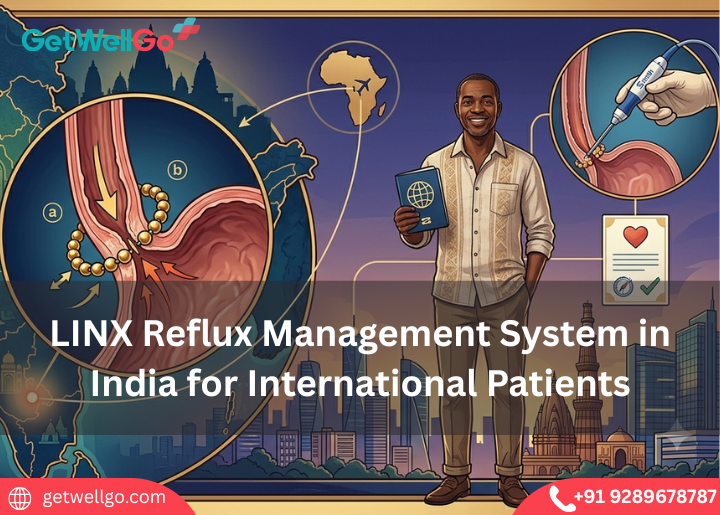
Experience the LINX Reflux Management System in India to stop severe heartburn using a tiny magnetic ring, fully organized by our fast-track medical visa team.
Read More
Experience advanced Stretta Procedure for GERD in India to eliminate chronic acid reflux without surgery, completely managed by our fast-track medical visa team
Read More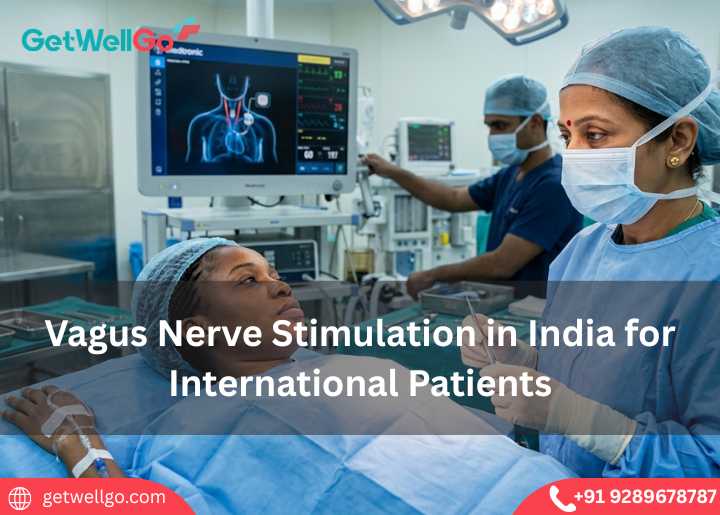
Get advanced vagus nerve stimulation treatment in India with expert care, modern hospitals, and affordable options for international patients.
Read More
Medical tourism in India for Uzbekistan Patients made easy. GetWellGo handles your top-tier surgery, Uzbek translator, and a safe, warm home for your family.
Read More
Palliative care services in India focus on your comfort and peace of mind. GetWellGo handles the expert pain relief, visa, and a serene, private home to heal.
Read More
Get reliable visa assistance for medical travel to India. Support with documentation, approvals, and a smooth entry process for global patients.
Read More
Transjugular Intrahepatic Portosystemic Shunt in India stops dangerous liver bleeding. GetWellGo handles your top specialist, visa, and a safe, cozy stay.
Read More
Keratoconus Treatment in India stops your vision from getting worse. GetWellGo handles your advanced eye care, visas, and a safe trip to save your sight.
Read More
Implantable Collamer Lens in India lets you ditch thick glasses forever. GetWellGo handles your expert eye doctor, flights, and a clear-vision holiday.
Read More
Cochlear Implants for Children in India opens a world of sound. We at GetWellGo plan your affordable ear surgery, airport pickup, and safe family trip.
Read More