
Historic Milestone: FMRI Celebrates 2500 Successful Bone Marrow Transplants
Celebrate a historic milestone of 2500 successful Bone Marrow Transplant at Fortis Gurgaon procedures, backed by our complete international patient visa care.
Read More
Cataract treatment in India with expert care. Learn about symptoms, causes, and available procedures to restore clear vision. Connect with GetWellGo today.

The treatment of cataract in India is highly sophisticated, cost-effective, and easily accessible. India has become a favorite among both local and foreign patients because of its experienced ophthalmologists, cutting-edge technology, and affordable care.
Overview of Cataract Treatment in India
A cataract is the clouding of the natural lens of the eye, which leads to blurry vision, glare, and night blindness.
Treatment:
The only successful treatment is surgical extraction of the cloudy lens, often replaced with an intraocular lens (IOL).
Some factors affect the cost of cataract surgery in India, particularly for foreign patients. Knowing these will allow you to budget better and make better decisions.
Main Factors Impacting Cataract Surgery Cost in India:
Blurred or cloudy vision
Vision is foggy, as if looking through a frosted window
Light sensitivity/glare
Discomfort or halos around lights, particularly at night
Night vision difficulty
Poor night vision, particularly while driving
Dull or faded colors
Colors appear dull or not as bright
Double vision in one eye
Seeing double images from the same eye
Frequent eyeglass power changes
Need for stronger prescriptions frequently
Halos around lights
Rings or glares around headlights or bulbs
Weakened reading vision
Difficulty reading despite wearing glasses due to good illumination
Aging
Normal aging process causes proteins in the lens to clump and cloud vision
Diabetes
Elevated blood sugar changes lens metabolism, speeding up cataract development
Trauma/Injury
Eye trauma can injure the lens and result in cataract development
Steroid use for an extended period
Extended use of corticosteroids (oral or eye drops) raises risk
UV radiation exposure
Excessive sun exposure can injure eye lens proteins
Smoking & alcohol consumption
Contribute to oxidative stress, destroying lens clarity
Congenital (birth)
Certain babies may be born with cataracts because of infection or genetic problems
Previous eye surgery
Glaucoma or retina surgery sometimes causes secondary cataracts
Radiation therapy
Radiation exposure (e.g., for cancer) can cause cataracts to form
Fortis Healthcare provides extensive cataract treatment at various facilities in India (e.g., Gurugram, Noida, Mumbai, Kolkata), using advanced surgical techniques, skilled ophthalmologists, and robust patient-centric care. A breakdown is as follows:
At Fortis Eye Institute, Gurugram, they offer diagnostic services (slit-lamp, OCT, corneal topography), micro-incision phacoemulsification, IOL implantation, and post-operative care. Employs micro-incision phacoemulsification, minimizing incision, accelerating healing, and improving accuracy. Diagnostics comprise OCT, specular microscopy, corneal topography, IOL master, so that planning is accurate. Pre-surgical care entails comprehensive eye examination and ultrasound biometry; postoperative practice entails early follow-up, medications, and monitoring of complications.Celebrates a ~97% success rate in vision restoration with few complications. Complications are prevented: infection, edema, pressure shifts, retinal detachments, and secondary cataracts.
There are a number of cataract surgery types, each ideal for various patient needs, eye conditions, and technology inclinations. Here's a concise summary:
Principal Types of Cataract Surgery:
Celebrate a historic milestone of 2500 successful Bone Marrow Transplant at Fortis Gurgaon procedures, backed by our complete international patient visa care.
Read More
Experience advanced Corneal Collagen Cross-Linking in India to stabilize keratoconus and protect your sight, with full medical visa help from our travel team.
Read More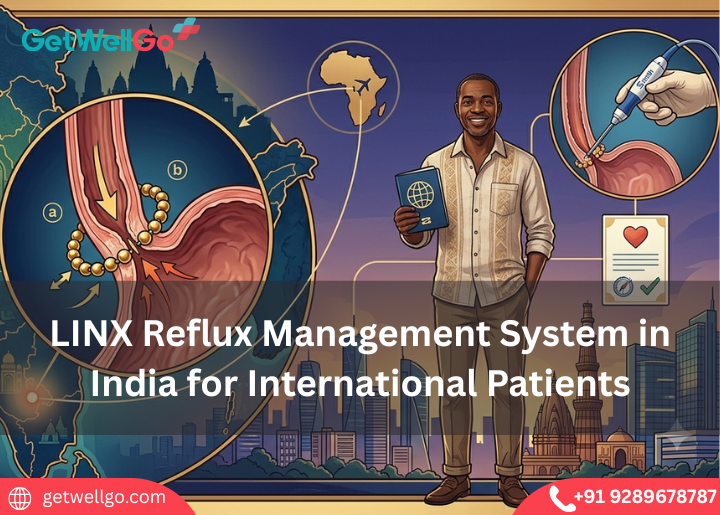
Experience the LINX Reflux Management System in India to stop severe heartburn using a tiny magnetic ring, fully organized by our fast-track medical visa team.
Read More
Experience advanced Stretta Procedure for GERD in India to eliminate chronic acid reflux without surgery, completely managed by our fast-track medical visa team
Read More
Get advanced vagus nerve stimulation treatment in India with expert care, modern hospitals, and affordable options for international patients.
Read More
Medical tourism in India for Uzbekistan Patients made easy. GetWellGo handles your top-tier surgery, Uzbek translator, and a safe, warm home for your family.
Read More
Palliative care services in India focus on your comfort and peace of mind. GetWellGo handles the expert pain relief, visa, and a serene, private home to heal.
Read More
Get reliable visa assistance for medical travel to India. Support with documentation, approvals, and a smooth entry process for global patients.
Read More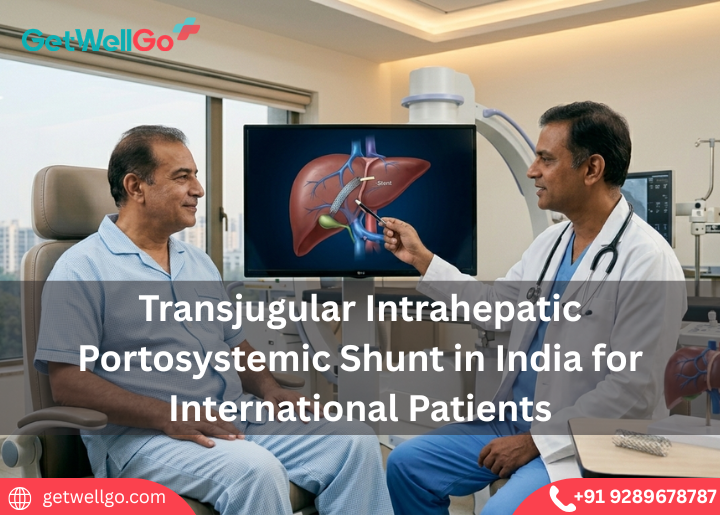
Transjugular Intrahepatic Portosystemic Shunt in India stops dangerous liver bleeding. GetWellGo handles your top specialist, visa, and a safe, cozy stay.
Read More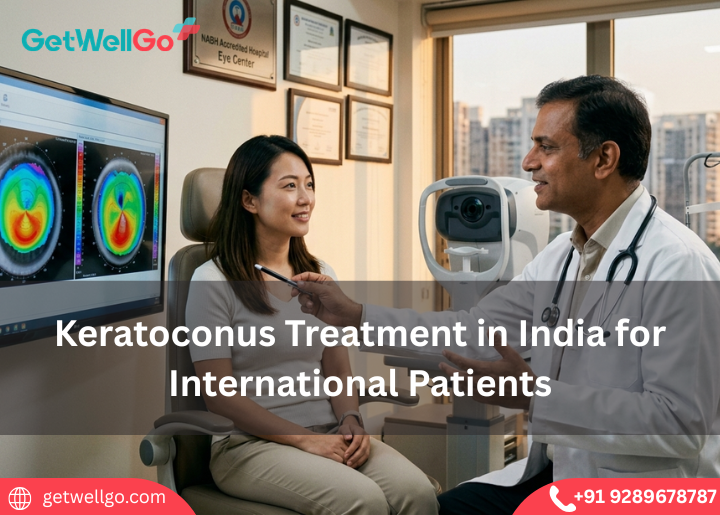
Keratoconus Treatment in India stops your vision from getting worse. GetWellGo handles your advanced eye care, visas, and a safe trip to save your sight.
Read More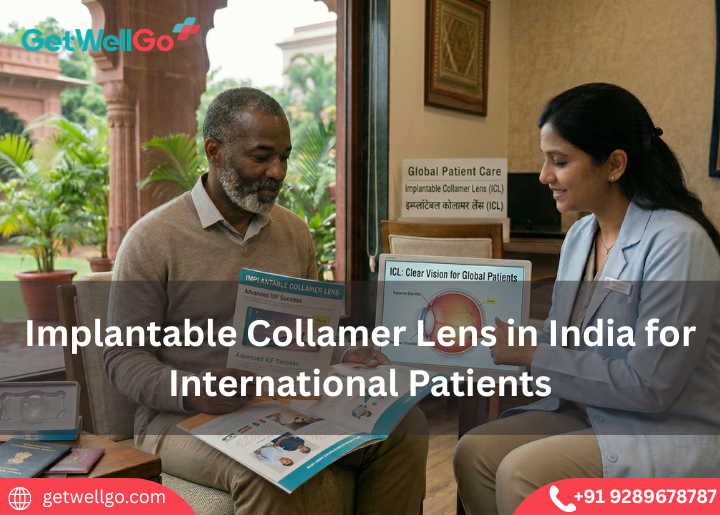
Implantable Collamer Lens in India lets you ditch thick glasses forever. GetWellGo handles your expert eye doctor, flights, and a clear-vision holiday.
Read More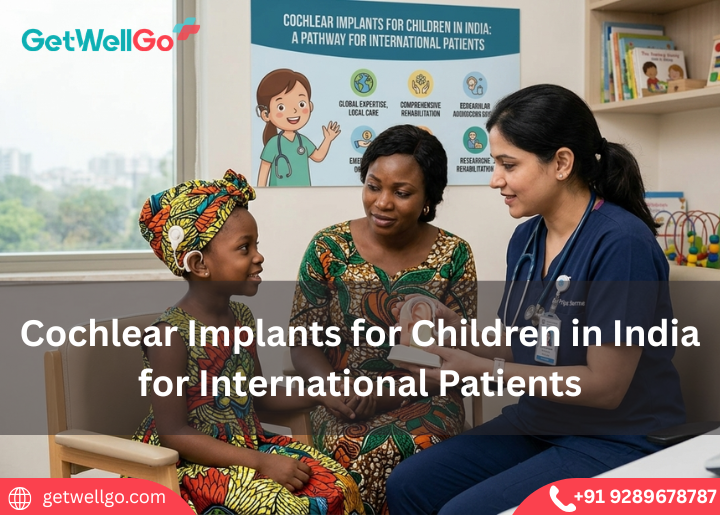
Cochlear Implants for Children in India opens a world of sound. We at GetWellGo plan your affordable ear surgery, airport pickup, and safe family trip.
Read More