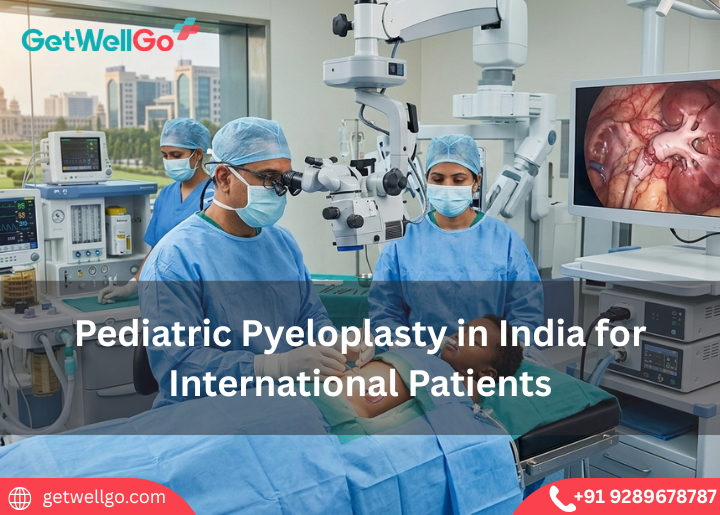
Pediatric Pyeloplasty in India for International Patients
Ensure a safe recovery with a Pediatric Pyeloplasty in India organized smoothly by our team, from rapid child specialist booking to comfortable home stays.
Read More
GetWellGo connects international patients to top hospitals for bilateral hydrocele surgery at reduced costs, ensuring quality care in trusted destinations worldwide.

Management of bilateral hydrocele varies according to age, signs and size of the hydroceles:
Retrospective (Observation) Management
Aspiration
The ultimate treatment of bilateral hydrocele is surgery.
Open Hydrocelectomy
Minimally Invasive/ Laparoscopic Hydrocelectomy
Indications for Surgery:
Recovery:
Post-Treatment Care
Bilateral hydrocele operation cost India depends on a number of factors. The following is a breakdown to assist you to comprehend the major factors that affect the total cost:
Type of Surgical Procedure
Hospital Location
Surgeon's Expertise
Best-trained urologists or experts might be more costly which can be due to their proficiency and status.
Hospital Type
Private Hospitals: These are usually costly but have better-developed care and facilities.
Pre-operative and Post-operative Care
Instant diagnosis (e.g. ultrasound, blood tests), medications, and subsequent visits.
Room Category
Prices are different depending on the kind of room selected (general ward, semi- private, or private rooms).
Anaesthesia Type
Laparoscopic hydrocele surgery (La Hydrocele or laparoscopic hydrocelectomy) is a minimal procedure applied in the removal or repair of a fluid-filled sac around the testicle leading to scrotal swelling, called a hydrocele. Rather than a big opening, the surgeon only makes small keyhole openings and he does the surgery with a laparoscope (thin tube with a camera).
Procedure Steps
Advantages of Laparoscopic Hydrocelectomy
Duration
GetWellGo is regarded as a leading supplier of healthcare services. We help our foreign clients choose the best treatment locations that suit their needs both financially and medically.
We offer:
Ensure a safe recovery with a Pediatric Pyeloplasty in India organized smoothly by our team, from rapid child specialist booking to comfortable home stays.
Read More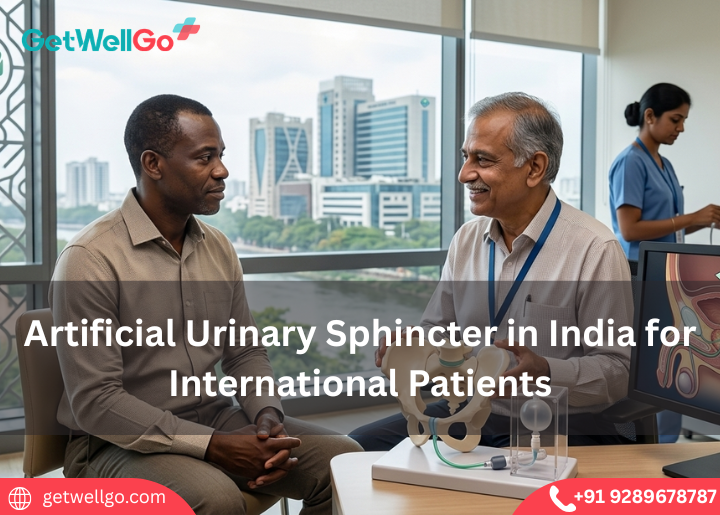
Regain complete control with an Artificial Urinary Sphincter in India organized smoothly by our team, from rapid specialist booking to a cozy recovery stay.
Read More
Regain normal urinary flow with a Thulium Laser Prostatectomy in India organized smoothly by our team, from rapid specialist booking to a safe recovery stay.
Read More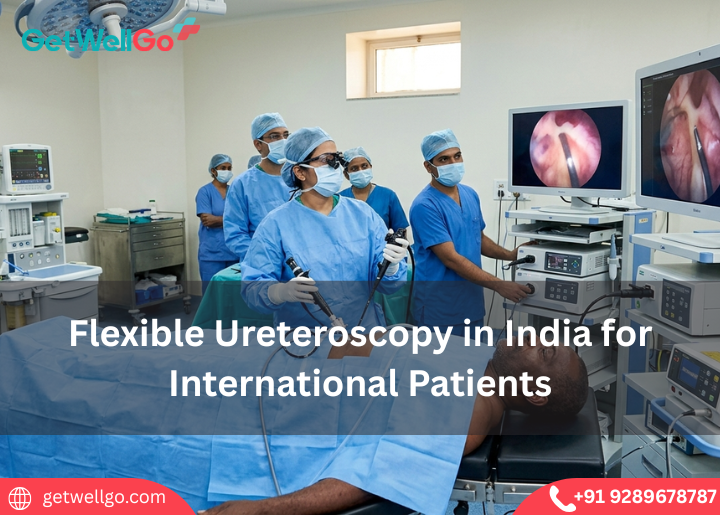
Experience advanced Flexible Ureteroscopy in India to dust kidney stones quickly without incisions, fully supported by our medical visa and travel team.
Read More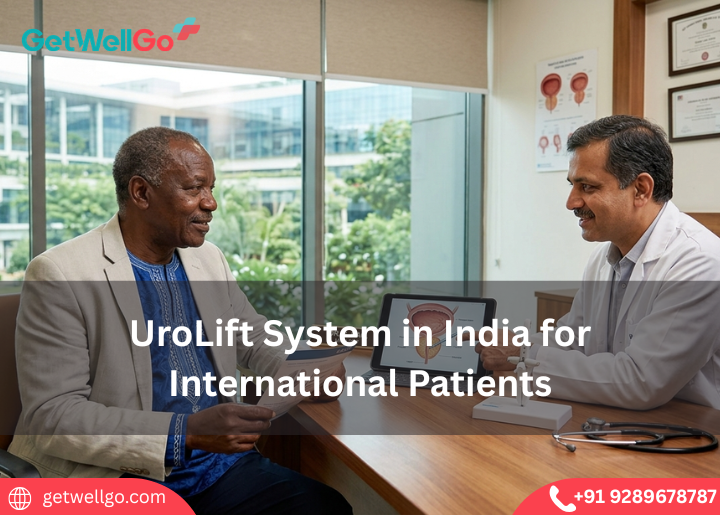
Protect your quality of life using the advanced UroLift System in India with our dedicated care team handling your hospital bookings, visas, and warm stay.
Read More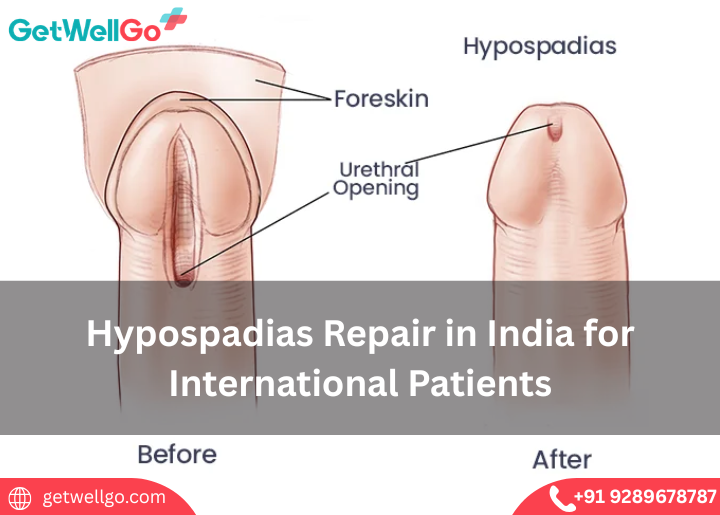
Hypospadias Repair in India ensures a normal future for your son. GetWellGo manages the expert pediatric surgery, family visas, and a safe, private hotel.
Read More
AV Fistula for Dialysis is your secure lifeline. We at GetWellGo handle your affordable vascular surgery abroad, travel logistics, and a safe healing stay.
Read More
Testicular Sperm Extraction in India helps build your family. GetWellGo discreetly arranges your top urologist, IVF clinic, and comfortable stay abroad.
Read More
Urethroplasty treatment in India restores comfort and urinary function. GetWellGo handles your expert urologist bookings, medical visas, and safe stay.
Read More
Holmium Laser Enucleation of the Prostate in India treats BPH safely. GetWellGo handles your visas, surgery, and recovery. Stop urinary issues today.
Read More
Retrograde Intrarenal Surgery in India removes kidney stones without cuts. GetWellGo handles your visa, hotel, and specialist care for a fast recovery.
Read More
Choose GetWellGo for Peyronie's disease treatment in India. Access skilled specialists, modern hospitals, cost-effective care, and full assistance for global patients.
Read More