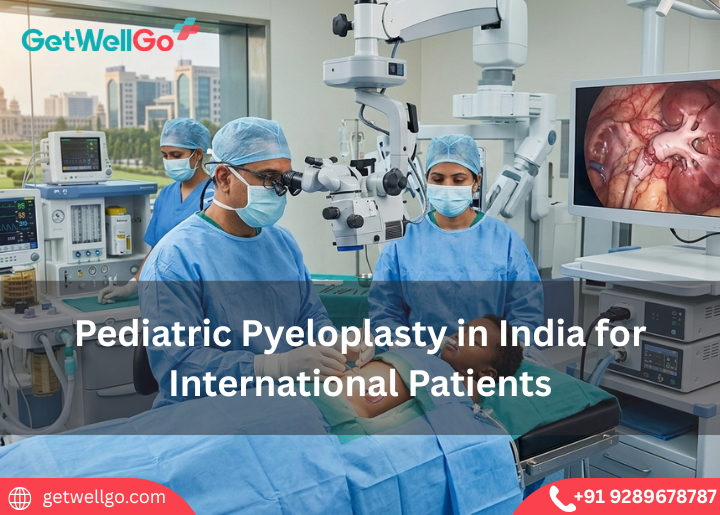
Pediatric Pyeloplasty in India for International Patients
Ensure a safe recovery with a Pediatric Pyeloplasty in India organized smoothly by our team, from rapid child specialist booking to comfortable home stays.
Read More
Retrograde Intrarenal Surgery in India removes kidney stones without cuts. GetWellGo handles your visa, hotel, and specialist care for a fast recovery.
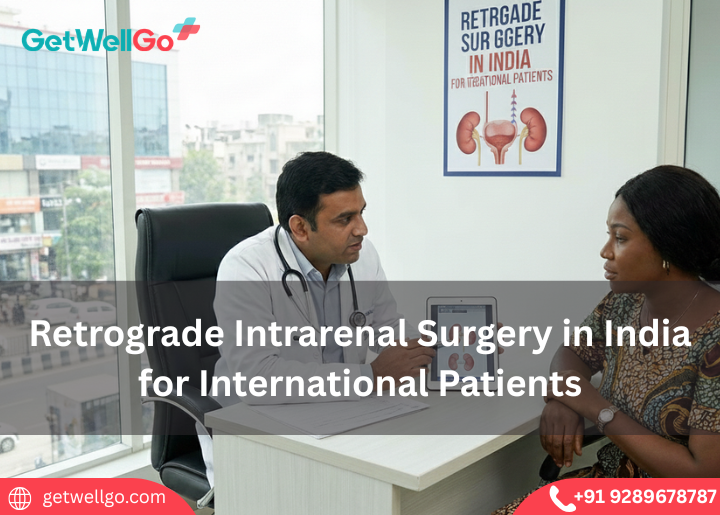
Retrograde Intrarenal Surgery (RIRS) is an endoscopic surgery technique, which is mentioned as being primarily used to treat kidney stones and other intrarenal conditions, by reaching the kidney internally without external surgical intervention.
It is generally prescribed in case of:
RIRS is a minimally invasive laser procedure used endoscopically to manage stones within the kidney.
Why it’s used:
The following are the key determinants of cost of RIRS (Retrograde Intrarenal Surgery) in the treatment of kidney stone in India:
This is because highly trained urologists or endourology specialists charge high professional fee.
RIRS has become a safe, effective, minimally invasive gold-standard modality of treatment of kidney stones in India, particularly those which are challenging to access or inappropriate to shock-wave treatment. RIRS has obvious benefits over the conventional surgical techniques because it involves no external incisions, minimal blood loss, shorter hospitalization and speedy recovery. The price of RIRS in India is highly dependent on several factors that include stone size and complexity, type of hospital, city, and skills of the surgeon, technology, hospital stay, and insurance. Although there are metro cities and high-end hospitals that are comparatively costly, good RIRS therapy is now a commonplace in most of the tier-2 cities at relatively lower costs. All in all, RIRS has high success rates with a low probability of complications when done by a skilled urologist in a well-equipped facility and is therefore a highly favored procedure to the management of kidney stones in India. Patients are now instructed to select a hospital and a surgical practitioner not only by cost, but also by skill, technology and post-operative care to give the patient best long term results.
GetWellGo is regarded as a leading supplier of healthcare services. We help our foreign clients choose the best treatment locations that suit their needs both financially and medically.
We offer:
Ensure a safe recovery with a Pediatric Pyeloplasty in India organized smoothly by our team, from rapid child specialist booking to comfortable home stays.
Read More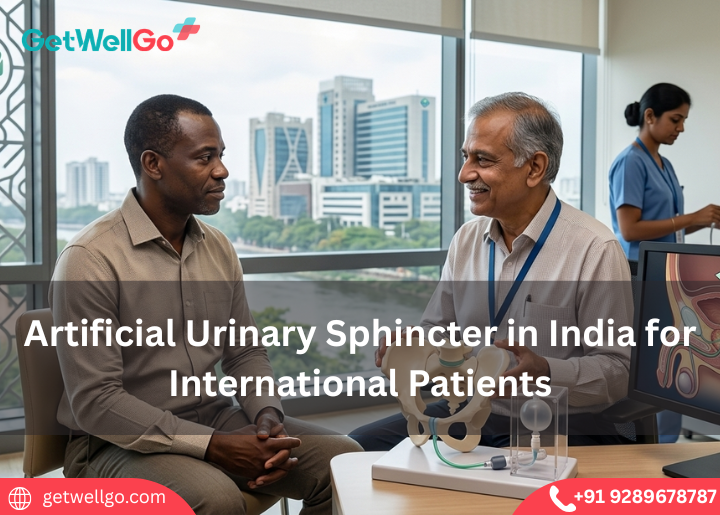
Regain complete control with an Artificial Urinary Sphincter in India organized smoothly by our team, from rapid specialist booking to a cozy recovery stay.
Read More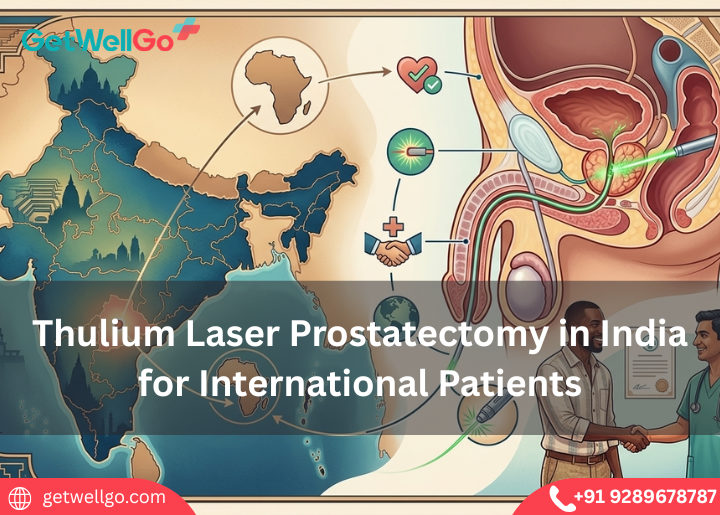
Regain normal urinary flow with a Thulium Laser Prostatectomy in India organized smoothly by our team, from rapid specialist booking to a safe recovery stay.
Read More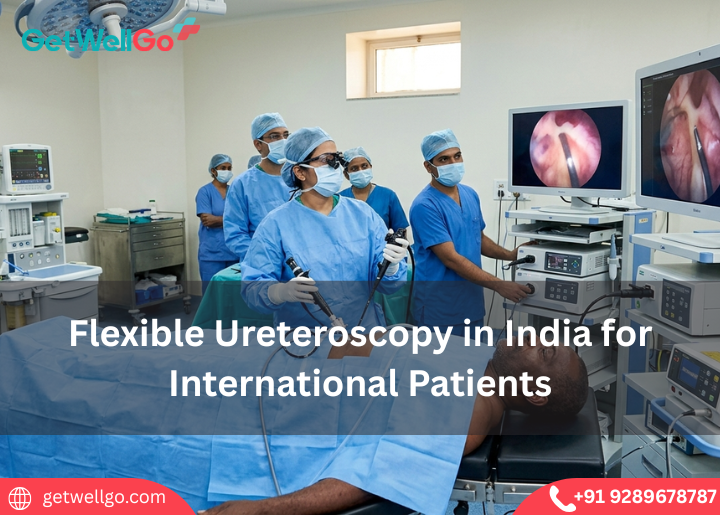
Experience advanced Flexible Ureteroscopy in India to dust kidney stones quickly without incisions, fully supported by our medical visa and travel team.
Read More
Protect your quality of life using the advanced UroLift System in India with our dedicated care team handling your hospital bookings, visas, and warm stay.
Read More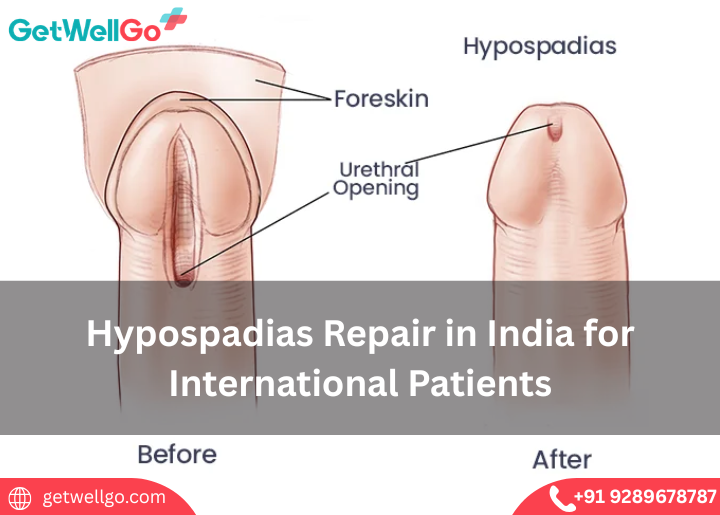
Hypospadias Repair in India ensures a normal future for your son. GetWellGo manages the expert pediatric surgery, family visas, and a safe, private hotel.
Read More
AV Fistula for Dialysis is your secure lifeline. We at GetWellGo handle your affordable vascular surgery abroad, travel logistics, and a safe healing stay.
Read More
Testicular Sperm Extraction in India helps build your family. GetWellGo discreetly arranges your top urologist, IVF clinic, and comfortable stay abroad.
Read More
Urethroplasty treatment in India restores comfort and urinary function. GetWellGo handles your expert urologist bookings, medical visas, and safe stay.
Read More
Holmium Laser Enucleation of the Prostate in India treats BPH safely. GetWellGo handles your visas, surgery, and recovery. Stop urinary issues today.
Read More
Choose GetWellGo for Peyronie's disease treatment in India. Access skilled specialists, modern hospitals, cost-effective care, and full assistance for global patients.
Read More
Penile Implant Surgery in India surgically places inflatable or malleable devices to restore erections for severe ED. Highly successful (95% satisfaction), minimally invasive by expert urologists at 70% lower costs than Western countries.
Read More