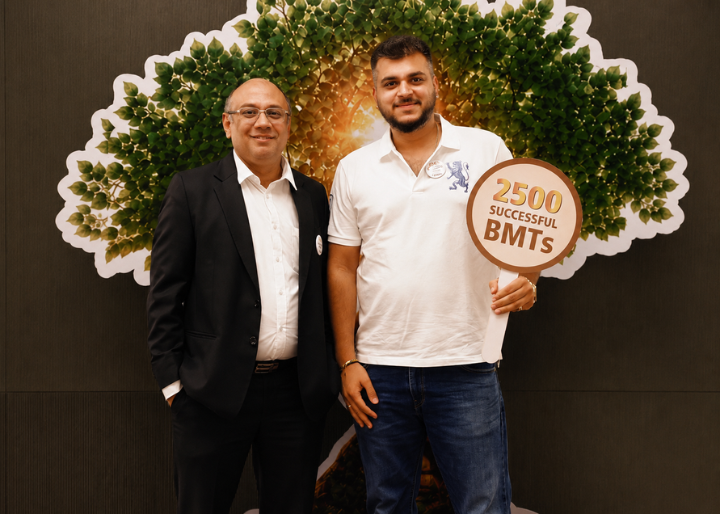
Historic Milestone: FMRI Celebrates 2500 Successful Bone Marrow Transplants
Celebrate a historic milestone of 2500 successful Bone Marrow Transplant at Fortis Gurgaon procedures, backed by our complete international patient visa care.
Read More
Learn about Autologous Stem Cell Transplant with GetWellGo. Understand the procedure, benefits, recovery process, and expert care for better outcomes.

An autologous stem cell transplant (ASCT) is a type of medical procedure wherein the patient's own stem cells are harvested, preserved, and afterwards, returned into their body after receiving treatment for specific ailments, which may include cancer. The procedure is usually employed for patients with hematologic malignancies such as lymphoma or multiple myeloma, but in addition, other ailments such as autoimmune diseases may be treated.
Autologous stem cell therapy is the utilization of stem cells from a patient to repair or treat injured tissues or organs. While autologous stem cell transplantation (where stem cells are employed to treat cancers and blood diseases) is more widely applied for blood-related and cancer-related conditions, autologous stem cell therapy is generally applied to conditions that require tissue regeneration, including joint trauma, osteoarthritis, spinal cord trauma, and some neurological conditions.
Autologous stem cell therapy involves the use of stem cells from a patient's own body for the treatment of several conditions, especially those where there is tissue damage or degeneration. It has become prominent in regenerative medicine due to the fact that it involves using the patient's own cells and hence the chance of rejection or complications arising due to the introduction of cells from another person is eliminated.
The cost of autologous stem cell therapy can be quite different depending on a number of factors. Because stem cell therapies are usually experimental and not always covered by insurance, it is useful for patients to know the factors that influence the price. These are the most important factors that influence the cost of autologous stem cell therapy:
Pre-Transplant Evaluation:
Medical Assessment:
Stem Cell Collection Plan:
Stem Cell Collection (Harvesting):
Bone Marrow Harvesting:
Peripheral Blood Stem Cell Harvesting:
Stem Cell Storage:
Conditioning Therapy:
High-Dose Chemotherapy and/or Radiation:
As a prelude to the stem cells being reinfused, the patient is given conditioning therapy to kill off any remaining cancer cells and put the immune system into remission. This usually consists of high-dose chemotherapy and, occasionally, radiation treatment. The objective is to eradicate the patient's cancer or underlying disease but to also kill off the patient's bone marrow, which will be replaced by the stem cells.
Infusion Process:
After the conditioning therapy is finished, the stem cells that have been stored are thawed and infused back into the patient's blood. This is usually done via an intravenous (IV) infusion, much like a blood transfusion. The procedure usually takes a few hours.
Engraftment:
Within the next few weeks, the infused stem cells migrate to the bone marrow and start to form new blood cells (red blood cells, white blood cells, and platelets). This is referred to as engraftment. It may take weeks for the stem cells to fully restore the bone marrow, which is why patients are kept under close observation for infection, bleeding, or other complications.
Autologous stem cell therapy for arthritis is a novel treatment method for patients with arthritis, especially osteoarthritis (OA). This treatment uses one's own stem cells to regenerate tissue damage, minimize inflammation, and enhance healing in the affected joints. It is a form of regenerative medicine, which seeks to reverse or slow the advancement of arthritis by inducing tissue repair.
Autologous stem cell therapy of the knee is a treatment that can be applied for knee injury, especially cartilage injury, osteoarthritis (OA), and other degenerative joint diseases. The treatment process includes utilizing the patient's own stem cells to regenerate damaged tissue, decrease inflammation, and enhance the function of the knee. It is a less invasive option compared to more conventional approaches such as surgery or knee replacement.
Autologous stem cell therapy for back pain is a new and fast-growing treatment method for patients with chronic back pain, especially when conventional treatments such as medications, physical therapy, or surgery have failed. The treatment uses the patient's own stem cells to heal, decrease inflammation, and repair damaged tissues in the spine, including discs, ligaments, and joints.
Multiple myeloma is cancer of the plasma cells, which are a kind of white blood cell in the bone marrow. Plasma cells make antibodies. In myeloma, the tumor cells of the plasma cells grow out of control and take over the bone marrow, producing symptoms such as pain in bones, fatigue, weakness, and infection.
Autologous stem cell transplant for multiple myeloma is a standard method of treatment of this condition. It takes patient's own stem cells to replace the diseased or damaged cells within the bone marrow and to assist in the regrowth of healthy blood cells. It is usually a combination within a bigger treatment approach of chemotherapy or other types of treatment to manage or eradicate the myeloma.
Early Phase (0-3 months): Hospitalization for stem cell infusion, recovery from chemotherapy, and initial engraftment are part of this phase. A majority of the patients will have to be in the hospital to watch for complications and infections.
Intermediate Phase (3-6 months): Following discharge, patients will continue to regain their strength, watch for infections, and see a slow resolution of their blood counts. They might feel prolonged fatigue and weakness but can begin to return to normal activities cautiously.
Long-Term Phase (6-12 months and beyond): The recovery continues, with regular follow-up visits to check for relapse, treat complications, and for any long-term side effects of the chemotherapy or transplant process.
GetWellGo is regarded as a leading supplier of healthcare services. We help our foreign clients choose the best treatment locations that suit their needs both financially and medically.
We offer:
Celebrate a historic milestone of 2500 successful Bone Marrow Transplant at Fortis Gurgaon procedures, backed by our complete international patient visa care.
Read More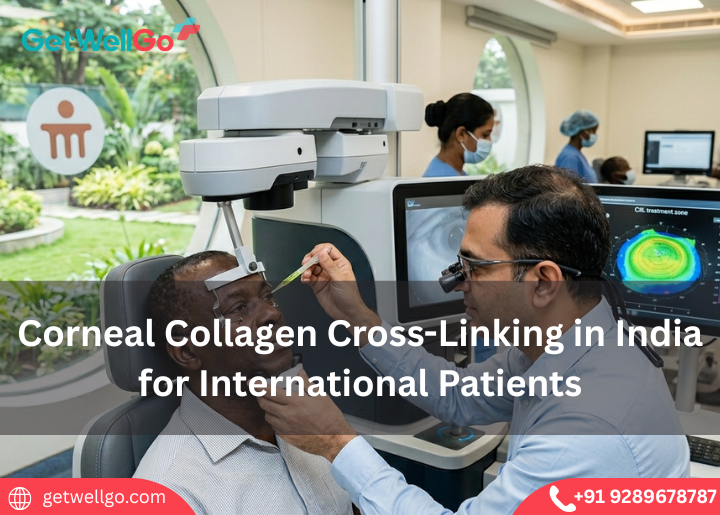
Experience advanced Corneal Collagen Cross-Linking in India to stabilize keratoconus and protect your sight, with full medical visa help from our travel team.
Read More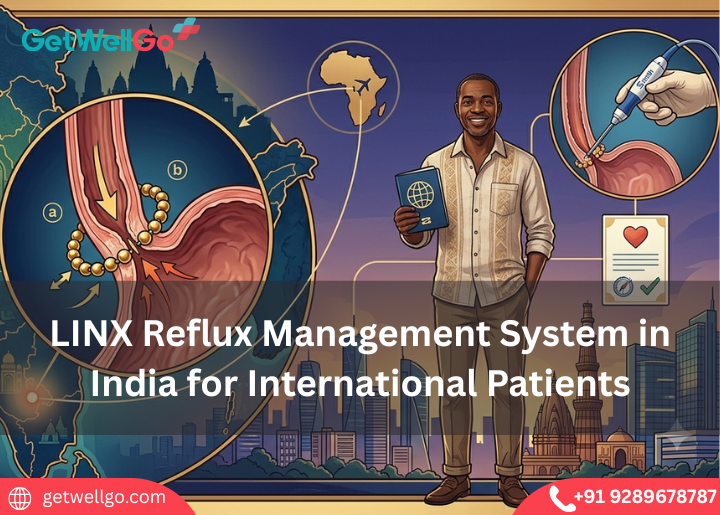
Experience the LINX Reflux Management System in India to stop severe heartburn using a tiny magnetic ring, fully organized by our fast-track medical visa team.
Read More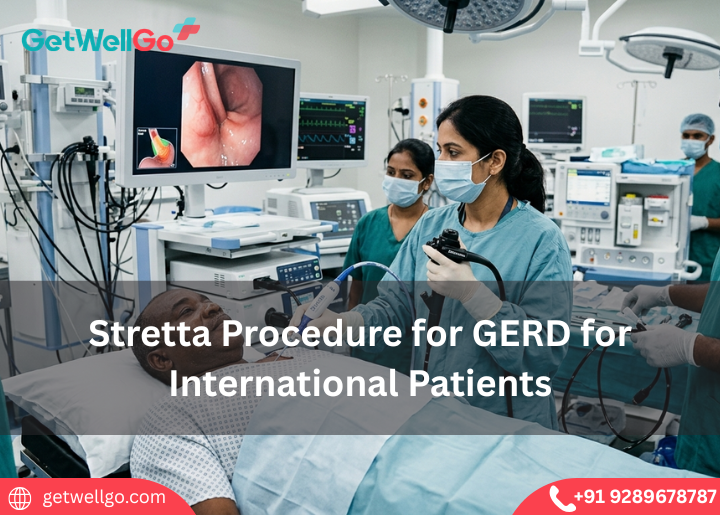
Experience advanced Stretta Procedure for GERD in India to eliminate chronic acid reflux without surgery, completely managed by our fast-track medical visa team
Read More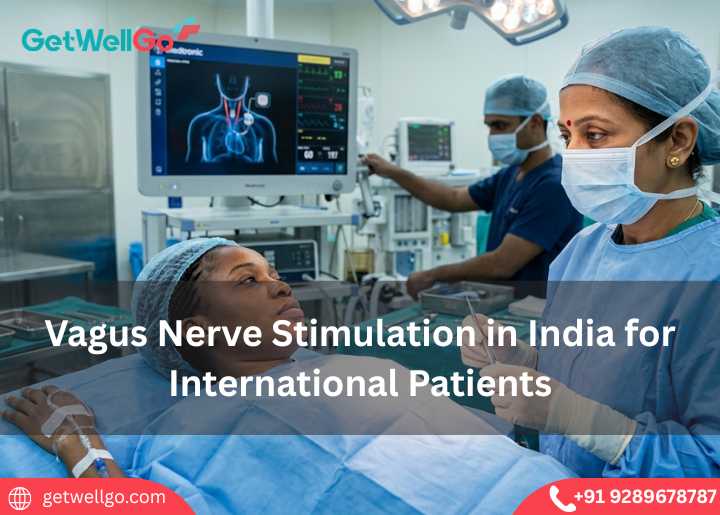
Get advanced vagus nerve stimulation treatment in India with expert care, modern hospitals, and affordable options for international patients.
Read More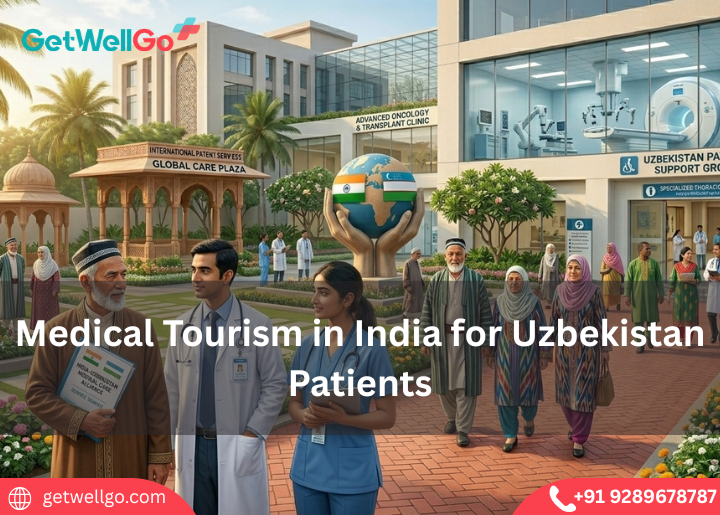
Medical tourism in India for Uzbekistan Patients made easy. GetWellGo handles your top-tier surgery, Uzbek translator, and a safe, warm home for your family.
Read More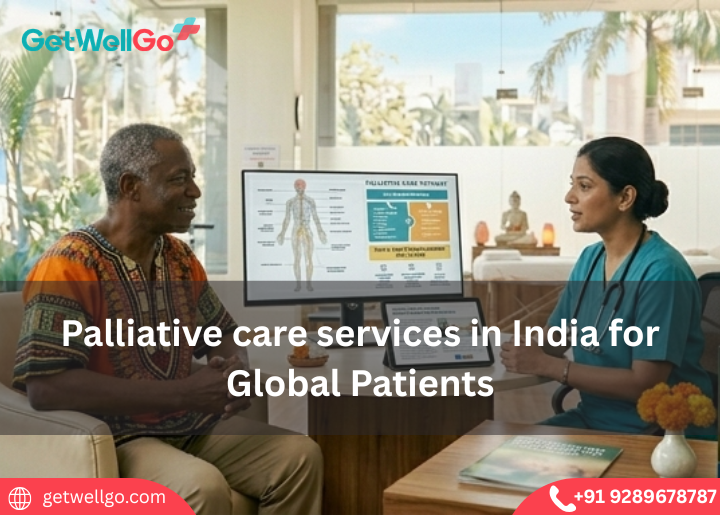
Palliative care services in India focus on your comfort and peace of mind. GetWellGo handles the expert pain relief, visa, and a serene, private home to heal.
Read More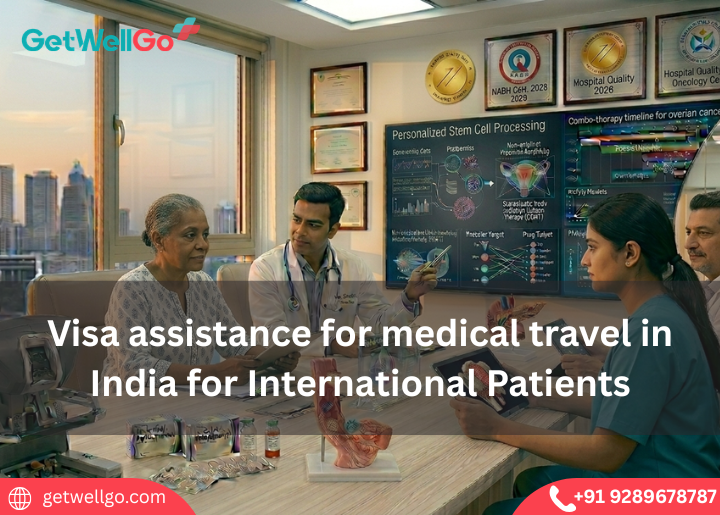
Get reliable visa assistance for medical travel to India. Support with documentation, approvals, and a smooth entry process for global patients.
Read More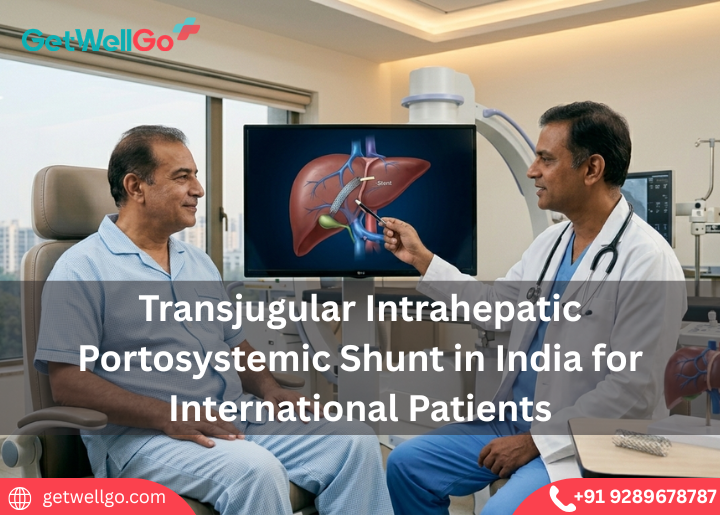
Transjugular Intrahepatic Portosystemic Shunt in India stops dangerous liver bleeding. GetWellGo handles your top specialist, visa, and a safe, cozy stay.
Read More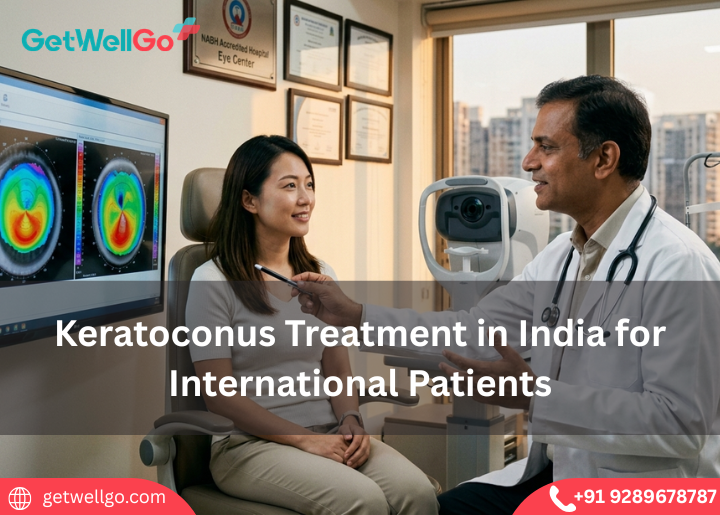
Keratoconus Treatment in India stops your vision from getting worse. GetWellGo handles your advanced eye care, visas, and a safe trip to save your sight.
Read More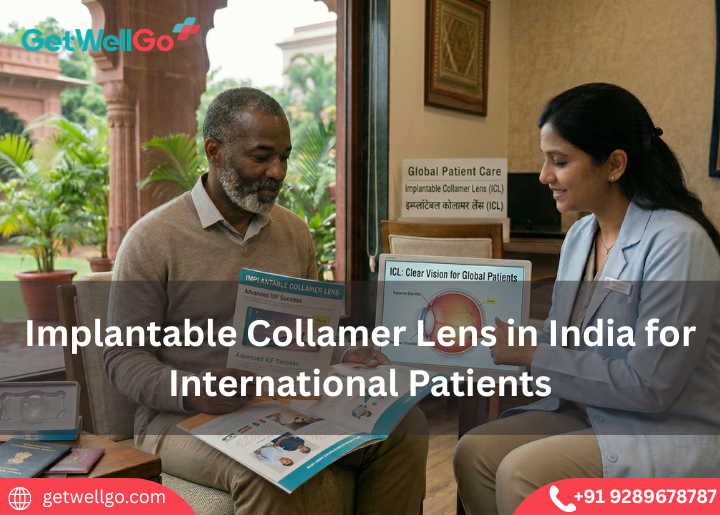
Implantable Collamer Lens in India lets you ditch thick glasses forever. GetWellGo handles your expert eye doctor, flights, and a clear-vision holiday.
Read More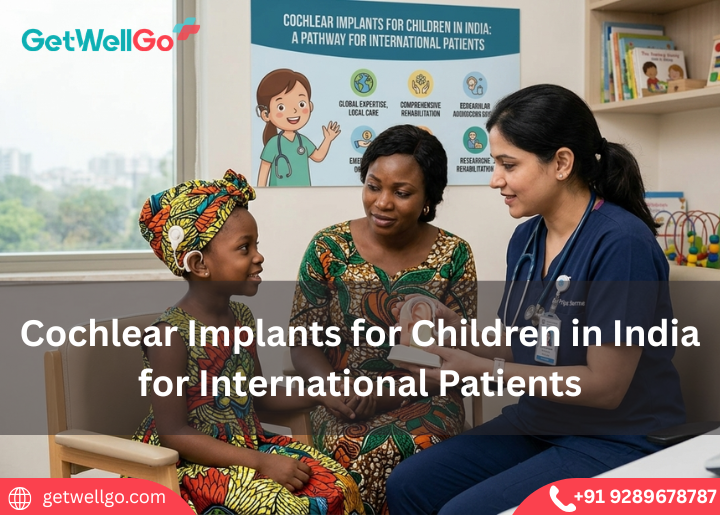
Cochlear Implants for Children in India opens a world of sound. We at GetWellGo plan your affordable ear surgery, airport pickup, and safe family trip.
Read More