General Surgery
Split Thickness Graft
Split Thickness Graft
A split thickness graft involves transplanting the outer skin layers (epidermis and part of dermis) from a donor site to a wound, promoting healing for burns, trauma, or large skin defects.
Split thickness skin graft procedure
A split thickness skin graft is a skin graft whereby the epidermis and some of the dermis is harvested with a donor site and transplanted to a wound or skin defect where the skin is absent. It is widely applied in the treatment of burns, large traumas, long-lasting ulcers, and in the post-surgical treatment of excisions.
Procedure Steps
Preoperative Preparation
- Patient evaluation (general health, bed wound condition, infection control)
- Blood work if needed
- Wound bed should be vascularized, clean and free of infection or necrotics.
Anaesthesia
- Consumer frequently local anaesthesia of small grafts.
- Greater grafts or in children, regional or general anaesthesia.
Donor Site Selection
- Characteristic locations: thigh, buttocks, upper arm.
Chosen for:
- Skin quality
- Ease of access
- Minimal cosmetic impact
Harvesting the Graft
- A thin layer of skin is removed by using a dermatome (manual or powered).
- Thickness: Usually 0.012–0.018 inches (0.3–0.45 mm)
- The skin that is harvested can be in form of a mesh to cover greater spaces and enable the drainage of fluids.
Graft Preparation
- Graft is cut to suit the wound.
Meshing may be done to:
- Expand coverage
- Minimize graft hematoma/seroma.
- Occasionally bathed in saline or antibiotic solution.
Recipient Site Preparation
Wound bed is:
- Debrided of necrotic tissue
- Irrigated
- Achieved hemostasis
- Well-vascularized, smooth bed is a guarantee of graft take.
Graft Placement
- Graft positioned with the epidermis side up.
Secured with:
- Sutures
- Staples
- Adhesive dressings
- Tie-over dressings are frequently placed to keep in touch and avoid shearing.
Postoperative Care
- Paralyze graft site between 3 and 7 days.
Monitor for:
- Hematoma or seroma
- Infection
- Graft necrosis
- Donor site care: typically heals with epithelialization after 7-14 days.
- Changing dressing according to the recommendation of the surgeon.
Healing
- Graft “take” assessed at 5–7 days
- The entire process of epithelialization can require 2-3 weeks.
- Scar management can involve the use of pressure garments or silicone therapy.
Split thickness graft surgery India
The split thickness skin graft (STSG) is a surgical procedure in which the epidermis and part of the dermis are taken and cross-grafted to an area of a wound or a defect that otherwise cannot heal naturally.
Indications
- Large traumatic wounds
- Burns (partial-thickness or deep dermal)
- Chronic unresponsive ulcers (pressure, diabetic, venous)
- Post-tumor excision defects
- Regions in need of quick skin coverage
Advantages
- Wraps big wounds effectively.
- Reports faster healing than full-thickness grafts.
- Donor site heals on its own
Best hospital for split thickness graft India
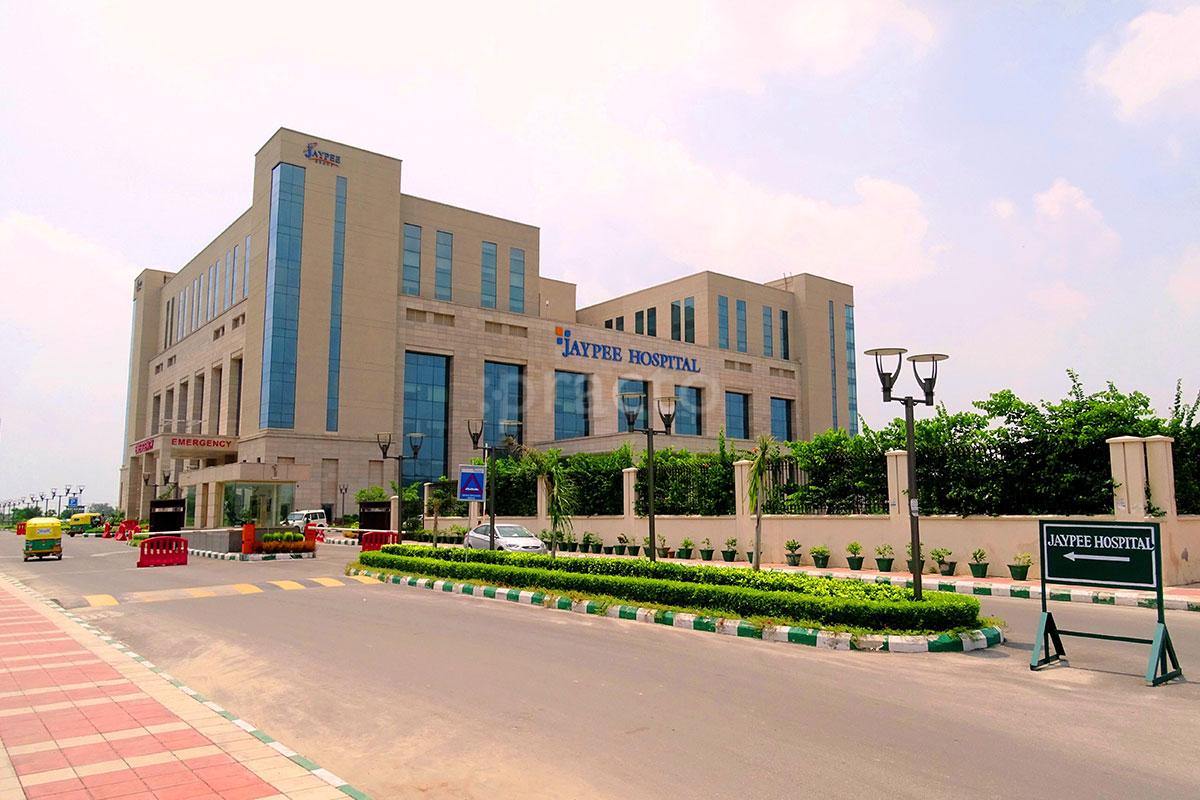
- Artemis Hospital, Gurgaon
- Medanta-The Medicity, Gurgaon
- Fortis Memorial Research Institute, Gurgaon
- Max Hospital, Saket
Split thickness skin graft complications
This is a description of the complications of split thickness skin grafts (STSG):
Graft-Related Complications
Graft failure or loss
- Partial or complete
- Reasons: inadequate vascularization, infection, hematoma, shearing.
Infection
- Graft take can be prevented by bacterial contamination.
Under-graft hematoma or seroma
- The accumulation of the fluids elevates the graft and inhibits adherence.
Necrosis
- More often than not, as a result of poor blood supply.
Donor Site Complications
- Pain and discomfort
- Slow healing (takes 7-14 days to heal)
- Scarring or pigmentation alteration.
- Infection at donor site
- Hypertrophic scars or keloids (uncommon, and based on the healing of the patient)
Healing and Functional Complications
Graft contraction
- Especially in meshed grafts
- Can limit movement in joints
Pigment mismatch
- The difference in color of the surrounding skin.
Slimmer more delicate skin
- Weaker than full-thickness grafts.
- Itching and dryness
Other Rare Complications
- Dressing allergy or topical antibiotics allergy.
- Late epithelialization of immunocompromised patients.
- Alterations of sensation at graft site (numbness or distorted sensation)
Split thickness graft recovery time
The following is a summary of skin graft recovery following a split thickness skin graft (STSG):
Immediate postoperative period (First week)
- Graft takes measurement: typically at 5- 7 days.
- Dressing: remained intact to avoid shearing.
- Immobilization: graft adherence should not be moving area up and down greatly.
- Donor site: potentially painful site and has to be dressed daily.
Short-Term Recovery (1–2 Weeks)
- Graft adherence: the majority of grafts adhere on day 7-10.
- Donor site healing: typically in 7-14 days.
- Swelling and redness: there is mild edema and erythema.
Medium-Term Recovery (2–4 Weeks)
- Complete epithelialization: recipient site skin normally fully epithelialized within 2-3 weeks.
- Sutures or staples: they are removed approximately 10-14 days in case of their use.
- Physical therapy: can be initiated when graft is above a joint to avoid contractures.
Long-Term Recovery (1–3 Months)
- Scar maturation: scar appears pink or red and turns pale with time (weeks to months).
- Pigment and texture: Pigment can vary with the rest of the skin, can improve over a period.
- Function: mobility and strength can be restored, by the site of graft and the underlying tissue.
Full Recovery
- Donor site: donor site is typically healed in 2 weeks, but with small scar.
- Graft site: stable at 3 months and 6 months (cosmetic and functional outcome) stable.
- Scar management: it may recommend pressure therapy, silicone sheets or massage.
Factors Affecting Split thickness skin graft cost India
STSG in India varies in terms of cost depending on a number of factors. The following is a breakdown of the important factors that determine the total cost:
Type of Graft
- Split-thickness grafts (STSG): These are typically cheaper than full-thickness grafts because they are less complicated and the donor site is also smaller.
Size of the Graft
- Grafting of bigger areas will add to the cost because more skin of the donor will be required and the operation time will be more.
Location of the Surgery
- Metro Cities (ex: Delhi, Mumbai, Gurgaon): Increased cost is because of better infrastructure and increased overheads.
- Tier-II Cities: This may have lower costs but it can change.
Hospital Type
- Private Hospitals: are more likely to be more expensive, particularly the ones with international accreditation (e.g., JCI, NABH).
Surgeon’s Expertise
- Very qualified plastic surgeons can afford to pay a higher price, as they are highly specialized.
Pre- and Post-Operative Care
- Consultation and diagnostic tests (ex: blood tests, imaging), anaesthesia, medications and follow-up expenses may also contribute to the overall cost.
Conclusion
Split thickness skin grafting is an effective and popular surgery that is applied to large wounds, burns, chronic ulcers, and after surgery defects. It offers quick wound coverage by harvesting the epidermis and some of the dermis of an area of the patient to provide a quick wound cover and thus healing occurs. STSG is a good reconstruction method that offers a balance of effective wound coverage, quick healing and donor site recovery although its outcomes depend on the excellent surgical practice, wound bed care, and detailed management of the post operation.
Split thickness graft in India with GetWellGo
GetWellGo is regarded as a leading supplier of healthcare services. We help our foreign clients choose the best treatment locations that suit their needs both financially and medically.
We offer:
- Complete transparency
- Fair costs.
- 24 hour availability.
- Medical E-visas
- Online consultation from recognized Indian experts.
- Assistance in selecting India's top hospitals for split thickness graft treatment.
- Expert surgeon with a strong track record of success
- Assistance during and after the course of treatment.
- Language Support
- Travel and Accommodation Services
- Case manager assigned to every patient to provide seamless support in and out of the hospital like appointment booking
- Local SIM Cards
- Currency Exchange
- Arranging Patient’s local food
FAQ
How long does the surgery take?
- Typically 1–2 hours, depending on the size of the graft and complexity of the wound
How is the donor site chosen?
- Popular donor sites are the thigh, buttock or upper arm, selected because of the quality of the skin, accessibility and little cosmetic effect.
Is the procedure painful?
- Donor site can have a soreness of 1-2 weeks.
- The management of pain is normally done using oral analgesics.
Is the graft going to be normal skin-like?
- Initial Color and texture might be different.
- With time, appearance gets better, although mild pigment and scarring can be left.
TREATMENT-RELATED QUESTIONS
GetWellGo will provide you end-to-end guidance and assistance and that will include finding relevant and the best doctors for you in India.
A relationship manager from GetWellGo will be assigned to you who will prepare your case, share with multiple doctors and hospitals and get back to you with a treatment plan, cost of treatment and other useful information. The relationship manager will take care of all details related to your visit and successful return & recovery.
Yes, if you wish GetWellGo can assist you in getting your appointments fixed with multiple doctors and hospitals, which will assist you in getting the second opinion and will help you in cost comparison as well.
Yes, our professional medical team will help you in getting the estimated cost for the treatment. The cost as you may be aware depends on the medical condition, the choice of treatment, the type of room opted for etc. All your medical history and essential treatment details would be analyzed by the team of experts in the hospitals. They will also provide you with the various types of rooms/accommodation packages available and you have to make the selection. Charges are likely to vary by the type of room you take.
You have to check with your health insurance provider for the details.
The price that you get from GetWellGo is directly from the hospital, it is also discounted and lowest possible in most cases. We help you in getting the best price possible.
No, we don't charge patients for any service or convenience fee. All healthcare services GetWellGo provide are free of cost.