General Surgery
Sphincter Repair
Sphincter Repair
Sphincter repair surgery reconstructs damaged anal sphincter muscles from obstetric injury or trauma, restoring bowel continence. Performed by colorectal surgeons, it significantly improves quality of life.
Sphincterotomy surgery
Sphincterotomy is a surgical incision into a sphincter muscle to reduce high pressure, a pain source, and allow better motility. It is most commonly done for chronic anal fissures, but the word is also applied to cuts made in other sphincters (eg, biliary sphincterotomy during ERCP). In this profile the focus is on the Anal Fissures treated with Lateral Internal Sphincterotomy (LIS).
Why is Sphincterotomy Done?
Sphincterotomy is advised in situations when conservative methods do not work and these include:
- Acute anal fissure of over 6-8 weeks.
- Discomfort in the anus when defecating or afterwards.
- Recurrent fissures
- Internal anal sphincter high resting pressure.
Benefits
- Reduces sphincter spasm
- Enhances the blood flow to the fissure.
- Promotes healing
- Gives long-term analgesia.
Types of Sphincterotomy
- Lateral Internal Sphincterotomy (LIS) - This is the most common for anal fissures.
- Open sphincterotomy - Small incision wherein visualized directly.
- Closed sphincterotomy - minimal incision, muscle internal cut.
Sphincterotomy procedure
Sphincterotomy is a short, efficacious surgical procedure aimed to treat chronic anal fissures by reducing the high internal anal sphincter muscle pressure and thus allowing the fissure to heal. Sphincterotomy Procedure Step-By-Step:
Preparation for surgery
- Clinical examination and confirmation of chronic fissure.
- Regular blood examinations (as recommended)
- Bowel preparation is normally minimal.
- Do not eat for 6 to 8 hours before the procedure if you will be under spinal or general anaesthesia.
Anaesthesia
- Local anaesthesia
- Spinal anaesthesia
- General anaesthesia
- The decision relies on comfort to the patients, and the preference of the surgeons.
Patient Positioning
- Lithotomy position (supine with legs elevated).
- Or left lateral position
Surgical Steps
Discovery has two popular methods:
Open Sphincterotomy
- The side of the anus is incised in a small manner.
- Internal anal sphincter is determined.
- Reduction of low part of the muscle is done with care.
- Wound can either be open or surrounded by absorbable sutures.
Closed Sphincterotomy
- A very small incision is made
- Using a scalpel, one inserts under the mucosa.
- The interior muscle of the sphincter is separated without visual observation.
- They do not need many sutures.
- Time: 15–30 minutes
Completion
- Bleeding is controlled
- There is no packing that is generally necessary.
- Patient transferred to recovery under observation.
After the Procedure
- Same-day discharge in the majority of cases.
- Prescribed oral painkillers.
- Sitz baths advised from day 1–2
- Stool softeners and high-fiber diet suggested.
Healing Timeline
- Pain relief: within 48–72 hours
- Wound healing: 2–4 weeks
- Go back to normal: 3-7 days.
Success Rate
- Healing rate: 90–95%
- Recurrence rate: <5%
Sphincterotomy recovery
The healing process of lateral internal sphincterotomy (LIS), is usually fast and without incident, most of the patients recover from pain in a few days.
Immediate Recovery (First 24–48 Hours)
- Mild surgical site pain or burning.
- Minimal bleeding or spotting could take place.
- Fissure pain is normally significantly greater than pain.
- Painkillers are enough, orally.
- In the majority of cases, same-day discharge.
What helps:
- Rest at home
- Warm sitz baths (soak 10 - 15 minutes, 2-3 times daily)
- Plenty of fluids
Short-Term Recovery (Days 3–7)
- Pain is reduced to a considerable level.
- The bowel movements are softened.
- Several episodes of discomfort primarily on first bowel movements.
- The majority of the patients resume normal light activities.
Care tips
- Low-residue diet (includes milk, cheese, meat, eggs, fish) and low fluid intake.
- Fiber supplements or stool softeners are available by prescription.
- Avoid straining, and avoid sitting for a long time on the toilet.
Healing phase (weeks 2–4)
- Heal of surgical wound is complete.
- Fissure heals and pain cures.
- Normal bowel habits return
- No limitation to habitual activities.
Return to Work & Activity
- Desk work: 2–3 days
- Light physical work: 5–7 days
- Extensive work or lots of it: 2-3 weeks.
Diet During Recovery
- Foods high in fiber
- Adequate water intake (2.5-3 L/d unless contraindicated)
- Avoid spicy foods, alcohol and sue causing constipation.
Sphincterotomy complications
Sphincterotomy (usually lateral internal sphincterotomy - LIS) has proven to be a safe and effective operation of chronic anal fissures. Nevertheless, any surgery may also be involved in potential complications, and the overwhelming majority of them are short-lived and mild.
Common & Minor Complications
- Pain or Discomfort
- Bleeding
- Infection
- Delayed Wound Healing
Functional Complications
- Temporary Incontinence (Most Discussed Risk)
- Persistent or Recurrent Fissure
Rare Complications
- Long-Term Fecal Incontinence
- Anal Abscess or Fistula
Best hospital for sphincterotomy India
- Artemis Hospital, Gurgaon
- Medanta-The Medicity, Gurgaon
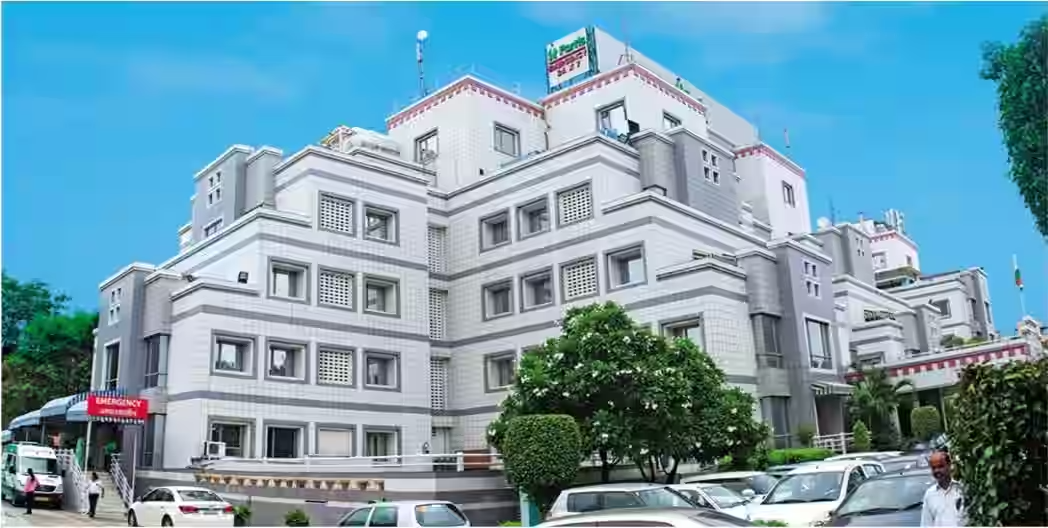
- Fortis Memorial Research Institute, Gurgaon
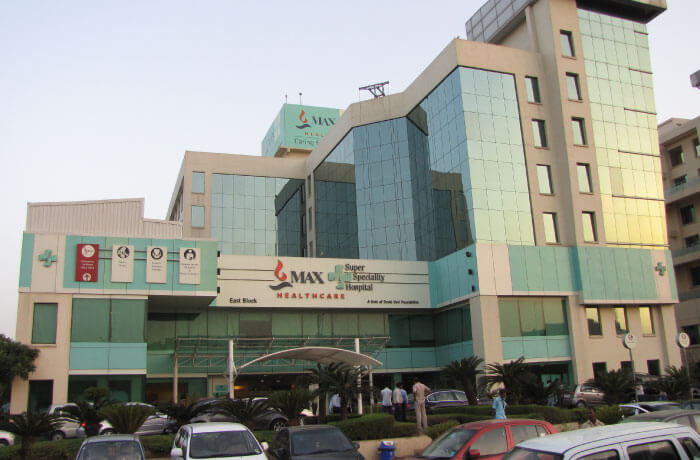
- Max Hospital, Saket
Conclusion
When anal fissures are chronic and the conservative approaches fail, sphincterotomy is a safe, effective, and definitive approach to surgery. It lowers the over-pulling pressure of internal sphincter thus it offers quick pain relief, encourages good healing and it goes a long way in changing the quality of life. The method of a professional surgeon and proper post-surgery management, in particular, maintenance of soft stool and high hygiene, combined with the overall high success rate of the procedure (approximately 90-95 percent) and low rate of chronic complications, indicates that the procedure is very successful. In case of any side effects, they are short term and disappear as one recovers. In general, sphincterotomy is the gold standard intervention in chronic, non-healing anal fissures, which have a long-term benefit and a rapid restoration to normal daily functioning.
Sphincterotomy surgery India GetWellGo
GetWellGo is regarded as a leading supplier of healthcare services. We help our foreign clients choose the best treatment locations that suit their needs both financially and medically.
We offer:
- Complete transparency
- Fair costs.
- 24 hour availability.
- Medical E-visas
- Online consultation from recognized Indian experts.
- Help in choosing from among Best Sphincterotomy surgery Hospitals in India.
- Deserve expertise of surgeon with proven results in success.
- Assistance during and after the course of treatment.
- Language Support
- Travel and Accommodation Services
- Case manager assigned to every patient to provide seamless support in and out of the hospital like appointment booking
- Local SIM Cards
- Currency Exchange
- Arranging Patient’s local food
FAQ
Is sphincterotomy a major operation?
- No. It is a non-invasive procedure, outpatient, day-care, is usually done in 15-30 minutes and does not require stay over in hospital.
Is sphincterotomy painful?
- Several days after the operation, the pain is not very severe and far less than the fissure pain. Most patients get great relief after 2-3 days.
Does Sphincterotomy cause Incontinence?
- In a few patients, temporary leakage of gasses or stool may be observed. Permanent incontinence is almost uncommon particularly in cases where the surgery is performed properly.
Is it possible to get anal fissures again in case of sphincterotomy?
- Disease transmission is rare, however in case of constipation, straining, and poor bowel habits, recurrence may occur.
Should sphincterotomy be superior to fissurectomy?
- Sphincterotomy is also most likely to offer quicker pain relief and increase the healing rate. In isolated cases, fissurectomy is used with sphincterotomy.
Should one prefer a laser sphincterotomy?
- Laser?assisted sphincterotomy may reduce bleeding, but the success and complication rates are similar to those of conventional methods in the hands of experienced surgeons.
TREATMENT-RELATED QUESTIONS
GetWellGo will provide you end-to-end guidance and assistance and that will include finding relevant and the best doctors for you in India.
A relationship manager from GetWellGo will be assigned to you who will prepare your case, share with multiple doctors and hospitals and get back to you with a treatment plan, cost of treatment and other useful information. The relationship manager will take care of all details related to your visit and successful return & recovery.
Yes, if you wish GetWellGo can assist you in getting your appointments fixed with multiple doctors and hospitals, which will assist you in getting the second opinion and will help you in cost comparison as well.
Yes, our professional medical team will help you in getting the estimated cost for the treatment. The cost as you may be aware depends on the medical condition, the choice of treatment, the type of room opted for etc. All your medical history and essential treatment details would be analyzed by the team of experts in the hospitals. They will also provide you with the various types of rooms/accommodation packages available and you have to make the selection. Charges are likely to vary by the type of room you take.
You have to check with your health insurance provider for the details.
The price that you get from GetWellGo is directly from the hospital, it is also discounted and lowest possible in most cases. We help you in getting the best price possible.
No, we don't charge patients for any service or convenience fee. All healthcare services GetWellGo provide are free of cost.