Vascular Surgery
Sclerotherapy
Sclerotherapy
GetWellGo provides trusted sclerotherapy for international patients with skilled specialists, safe procedures, and end-to-end medical travel assistance.
Sclerotherapy
Sclerotherapy is a minimally invasive medical treatment for varicose veins and spider veins. A special liquid (known as a sclerosant) is injected into the vein, causing it to collapse and then disappear.
Sclerotherapy Indications
- Spider veins
- Small to medium varicose veins
- Residual or recurrent veins after surgery or laser treatment
- Venous malformations in some patients
- Haemorrhoids (in a few cases)
- Hydroceles (in a minimally invasive approach)
- Lymphatic malformations – in selected patients
Advantages of sclerotherapy
- Quick, outpatient-based procedure
- Minimal discomfort
- No significant downtime
- Very effective on small and medium veins
- Improved cosmetic appearance
Sclerotherapy procedure
Sclerotherapy is a treatment performed without the need for surgery where we inject a solution into the affected veins (both spider veins and varicose veins) that makes them collapse and ultimately disappear. This is a speedy, safe procedure, with no anaesthesia needed in most cases.
Pre-procedural patient preparation
- The affected veins are examined by the doctor and an ultrasound may be performed if deeper veins are involved.
- Patients are advised to refrain from usingany lotions or creams on the day of the procedure.
- Compression stockings may be ordered ahead of time.
- No heavy fasting or sedation is necessary.
Positioning and Cleaning
- The patient is lying down comfortably. The area to be treated (often legs) is washed with an antiseptic solution to prevent infection.
- The veins to be treated may be marked.
Sclerosant Injection
- A needle of very small diameter is used to apply a sclerosant (either a liquid or a foam).
- Typical sclerosants include the following: Polidocanol, Sodium tetradecyl sulfate (STS), and Hypertonic saline.
- The sclerosant irritates the walls of the veins, making them collapse and stick together.
- You may receive more than one injection in one session.
Foam Sclerotherapy (If Used)
- A foam sclerosant is prepared by combining air with the sclerosant.
- Foam is better for larger veins since it coats and pushes the blood out of the vein.
- The injection is usually performed under ultrasound guidance.
Vein Closure
- After the injection, the vein slowly closes and is reabsorbed by the body over a period of weeks to months.
- Blood flow is naturally redirected to healthier veins.
Post-Injection Compression
- Compression pads as well the stockings are placed immediately after the gel injection.
- They do what it says: they keep the treated vein closed and decrease bruising.
Immediate Aftercare
- The patient is instructed to walk for 15–30 minutes at the end of the procedure.
- Normal routine activities can be resumed.
- Refrain from strenuous exercise, hot baths and sunlight for a few days.
Length of the Procedure
- The procedure may take between 15 and 45 minutes depending on the number of veins to be treated.
- It is a day procedure performed in a clinic. Number of Sessions
- Many patients need 1–3 sessions to get full results.
- Sessions are normally every 2-4 weeks apart.
Factors Affecting Sclerotherapy cost
Following are the main factors that influence the cost of a sclerotherapy treatment:
Severity, Complexity and Extent of Vein Problems
- If you have a lot of veins, or large/complex varicose veins (as opposed to small spider-veins), treatment is more resource-intensive (more solution, more time, maybe more sessions) and this means it will be more expensive.
- A few simple/few spider veins cost less, deep or big vein problems (or varicose veins) make the prices higher.
The number of sessions required for treatment
- Sometimes a person can get by with just one session; other people might need several sessions (if veins are too many or too extensive for the entire treatment in one go). More sessions = more total cost.
- The total cost is cumulative — the final amount with every session.
Type of Sclerosing Agent / Procedure Variant
- There are different types of sclerosants (liquid versus foam, various chemicals) and different methods (simple injection, ultrasound-guided, etc). Some variations are more expensive due to materials required or complexity.
- If additional treatments are needed (ultrasound guidance, pre-/post treatment care), they too contribute to the cost.
Infrastructure and Type of Clinic / Hospital
- Larger hospitals or specialised vein/vascular clinics will generally be more expensive than smaller clinics or hospitals; however, they may have access to more advanced equipment, better hygiene, and more comfort.
- The final prices are affected by the services (type of room, staff, equipment) and by the hospital overhead.
Expertise of the doctor and experience of the Practitioner
- A vascular surgeon / vein doctor (or any doctor with a good track record) who is very experienced may charge more, but the quality and safety may be better.
- Providers with less experience might charge less — but you may have to accept a trade-off in result or risk.
Pre- and Post-Procedure Care, Follow-ups, Medications, Compression Garments
- Usually there is more to the injection fee, such as diagnostic tests (e.g. ultrasound), follow-up visits, compression stockings, and any needed medication.
- If you need further advanced treatment or hospitalization (uncommon in sclerotherapy but viable in complex situations) – that adds to the price as well.
Geographical Location / City / Country
- Treatment in big cities with higher cost of living is generally more expensive than in small towns, due to more overhead, demand, and cost of staff/facilities.
- The cost of treatment may also be different in different hospitals or clinics in a single city.
Sclerotherapy recovery
The recovery from sclerotherapy is typically fast, with the people able to return to their normal activities on the same day. However, appropriate aftercare is important to achieve maximal cosmetic and medical outcomes. Over a period of weeks to months the treated veins gradually disappear.
Right After the Procedure
- You will be told to walk for 15 to 30 minutes to increase circulation and to help prevent clots.
- Compression stockings or bandages are used to keep the treated veins together.
- Slight burning, itching, or tightness may last a few minutes.
The First 24-48 Hours
- Wear your compression stockings at all times unless you are told otherwise.
- Stay away from hot showers, hot water, saunas, and steam baths.
- Don′t do heavy exercise, running or lifting weights.
- It is not unusual to develop some bruising, redness, or small lumps to the treated area.
1 Week to 2 Weeks
- Wear compression hose for 1 to 2 weeks depending on the extent of vein treated.
- Removal of spider veins: 1 week
- Larger varicose veins: 2+ weeks
- Don’t stand or sit still for too long.
- Carry on with gentle walks every day.
- Pigmentation of the skin (eczema stains) can take place but tends to improve over time.
- Rub it out from sun exposure on treated area to minimize pigmentation risk.
Things You’re Allowed To Do
- Start back at work straight away.
- Light walking is keenly recommended. Work, housework, and short outings are ok.
- Showering is fine. Here’s how to have your shower.
- Apply yourself with warm water, not boiling one.
Don’ts for your Activities
- Exercise vigorously for 3 to 7 days.
- Soaking in hot tubs and hot baths is also out for about a week.
- Avoid direct sun to treated areas for two weeks.
- Long flights in the first week (unless wearing compression stockings).
Healing process
- 3 to 7 days: You might have mild swelling, bruising or tenderness.
- 3 to 6 weeks: Spider veins begin to disappear.
- 6–12 weeks: Larger veins are reduced.
- 3 to 4 months: Final results for larger varicose veins, particularly following foam sclerotherapy.
- Depending on the extent and number of veins, multiple sessions can be required.
Sclerotherapy treatment
Sclerotherapy is a procedure that involves injecting a sclerosing agent directly into the veins that need to be treated. This is done by injecting a special solution (sclerosant) into the abnormal vein that makes it collapse, close and eventually disappear. It is an outpatient procedure that is highly effective and safe, and the downtime is negligible.
Sclerotherapy Treatment Indications
It is useful for the following conditions:
- Spider veins ( red, blue, or purple superficial veins)
- Small to medium-sized varicose veins
- Residual veins following surgery or laser treatment
- Venous malformations
- Hemorrhoids (certain cases)
- Hydrocele (using a nonsurgical method)
- It is widely used for medical as well as cosmetic purposes.
The Mechanism of Sclerotherapy
- A sclerosant (liquid or foam) is administered into the vein.
- This irritates the vein’s lining.
- The walls of the vein stick together and the vein buckles. The closed vein is absorbed by the body over weeks to months.
- The blood, of course, will get re-routed to other healthy veins.
Categories of Sclerotherapy
Liquid Sclerotherapy
- Best for small spider veins.
- Basic injection procedure.
Foam Sclerotherapy
- Sclerosant is agitated with air to create a foamy substance.
- Appropriate for larger or deeper varicose veins.
- Often guided by ultrasound.
Ultrasound-Guided Sclerotherapy
- Used for veins that is not seen on the skin.
- Enables accurate delivery to deeper veins.
Best hospital for sclerotherapy India
- Artemis Hospital, Gurgaon
- Medanta-The Medicity, Gurgaon
- Fortis Memorial Research Institute, Gurgaon
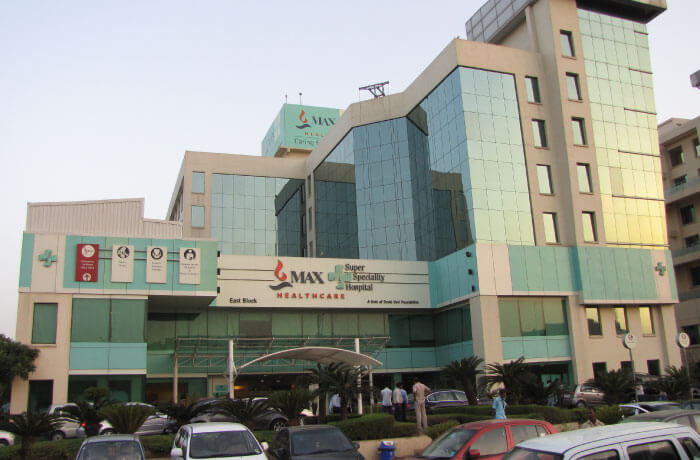
- Max Hospital, Saket
Conclusion
Sclerotherapy is a safe, effective, minimally invasive procedure to treat spider veins, small varicose veins, and certain other venous problems. It provides dramatic cosmetic results as well as relief from symptoms like heaviness, pain or swelling. The procedure is fast, painless, and you can go back to your daily routine almost right away. The majority of the treated veins fade with proper technique and care within weeks to months. Depending on the quantity and size of veins, there might be a need for multiple treatments but the success rate is rather high and complications are rare when is performed by a skilled practitioner.
Sclerotherapy treatment India GetWellGo
GetWellGo is regarded as a leading supplier of healthcare services. We help our foreign clients choose the best treatment locations that suit their needs both financially and medically.
We offer:
- Complete transparency
- Fair costs.
- 24 hour availability.
- Medical E-visas
- Online consultation from recognized Indian experts.
- Assistance in selecting India's top hospitals for Sclerotherapy treatment.
- Top vascular surgeon who have a proven record of success
- Support during and after treatment.
- Language Support
- Travel and Accommodation Services
- Case manager assigned to every patient to provide seamless support in and out of the hospital like appointment booking
- Local SIM Cards
- Currency Exchange
- Arranging Patient’s local food
FAQ
1. Is sclerotherapy painful?
- A mild sting or burning sensation lasting a few seconds is the most patients’ experience. The procedure is well tolerated and does not need anaesthetic.
2. Can the treated veins come back?
- The treated veins, once closed, do not come back. Still, new veins can appear, particularly if an underlying venous disease exists.
3. Do I need to wear compression stockings?
- Yes. To assist veins closure and enhance results there are few weeks during which most people wear compression socks after your sclerotherapy treatment.
4. What should I avoid after the procedure?
- Don't take hot baths or steam, strenuous exercise or sun exposure to the treated area for a few days up to 2 weeks.
5. Is sclerotherapy safe for everyone?
- It's considered safe, but those who are pregnant, have active DVT, or who have had allergic reactions to sclerosants should not undergo it. Your provider will determine if you are a candidate.
6. Is sclerotherapy just for cosmetic purposes?
- No, although it is used to improve the cosmetic appearance of the legs, it is also a medical treatment for symptoms including pain, heaviness, swelling or burning associated with abnormal veins.
TREATMENT-RELATED QUESTIONS
GetWellGo will provide you end-to-end guidance and assistance and that will include finding relevant and the best doctors for you in India.
A relationship manager from GetWellGo will be assigned to you who will prepare your case, share with multiple doctors and hospitals and get back to you with a treatment plan, cost of treatment and other useful information. The relationship manager will take care of all details related to your visit and successful return & recovery.
Yes, if you wish GetWellGo can assist you in getting your appointments fixed with multiple doctors and hospitals, which will assist you in getting the second opinion and will help you in cost comparison as well.
Yes, our professional medical team will help you in getting the estimated cost for the treatment. The cost as you may be aware depends on the medical condition, the choice of treatment, the type of room opted for etc. All your medical history and essential treatment details would be analyzed by the team of experts in the hospitals. They will also provide you with the various types of rooms/accommodation packages available and you have to make the selection. Charges are likely to vary by the type of room you take.
You have to check with your health insurance provider for the details.
The price that you get from GetWellGo is directly from the hospital, it is also discounted and lowest possible in most cases. We help you in getting the best price possible.
No, we don't charge patients for any service or convenience fee. All healthcare services GetWellGo provide are free of cost.
.jpg)