Gastroenterology
Rectopexy Open
Rectopexy Open
Choose Rectopexy Open via GetWellGo for international patients seeking advanced care, skilled surgeons, modern hospitals, and travel assistance worldwide!
Open rectopexy surgery
Open rectopexy is an older traditional surgical intervention in the treatment of full-thickness rectal prolapse, the form of repositioning and securing the rectum at its anatomical position within the pelvis through an abdominal incision (open).
What is Open Rectopexy?
During this operation, the rectum prolapsed is pulled up and attached to the sacrum (lower spine) to ensure that the rectum does not slide out again. It is referred to as open rectopexy since it is performed using a bigger abdominal opening instead of a laparoscopy.
Who Needs Open Rectopexy?
Open rectopexy can be suggested when:
- The patient presents with total pelvic prolapse.
- Laparoscopy operation is contraindicated (prior abdominal operation, dense adhesion, non-existent laparoscopic)
- Repair is a tough one, which lasts.
- The patient is also medically fit to undergo abdominal surgery.
Benefits of Open Rectopexy
- Reduced recurrence rate than perineal procedures.
- Appropriate to chronic or extreme prolapse.
- Long term anatomical correction is good.
Rectopexy open procedure
Open rectopexy is an abdominal procedure that is utilized to manage full-thickness rectal prolapse. It involves mobilizing the rectum and securing it to the sacrum in order to maintain the rectum's position within its normal anatomical confines.
Preparation before Surgery
- Diagnosis by colonoscopy or sigmoidoscopy, with imaging as necessary.
- Preparation of bowels: According to the surgeon.
- Empty stomach: As a rule, 6-8 hours before surgery.
- Anaesthesia: The patient received general anaesthesia.
Open Rectopexy Surgery
Abdominal Incision
-
Incision into the pelvic cavity is done lower midline or Pfannenstiel (bikini-line).
Exposure of Rectum
-
The rectum is opened and thoroughly uncovered.
Rectal Mobilization
-
Surrounding tissues are relieved and significant nerves preserved in order to minimize bowel and sexual dysfunction.
Rectal Fixation (Rectopexy)
- The rectum is lifted upwards into the normal position.
- It is attached to the sacral promontory with non-absorbable sutures.
- In other instances, there is the provision of mesh support.
Optional Sigmoid Resection
-
In case of acute constipation, part of the sigmoid colon can be resected (resection rectopexy).
Closure
-
The abdomen is closed in layers and sterile dressing is done.
Duration of Surgery
-
Typically 1.5-3 hours, even with bowel resection.
Post-Procedure Care
- Hospital stay: 5–7 days
- Pain management IV oral drugs.
- Diet: Liquids → soft → normal
- Bowel movement: Recurring in a few days.
- Mobilization: Prevent clots by encouragement at an early age.
Open rectopexy recovery
Open rectopexy is a slow process to recover since it is an operation carried out on the abdomen. Patients are able to perform fairly well in case they observe postoperative instructions.
Stay in hospital
- Time: 5 to 7 days
- Pain & discomfort: The initial few days of moderate pain in the abdomen; treated with drugs.
- Mobility: Sitting up and short walks begin at the typical rate of 24 hours.
Diet:
- Day 1–2: Liquids
- Then soft then normal diet with bowel functions back to normal.
- Bowel movement: This will start again after 2-4 days.
- Wound care: Dressing checked frequently; Stitches or staples checked regularly.
First 2 Weeks After Discharge
- Gradually improving, mild to moderate pain.
- Fatigue is common
- Light walking is recommended on a daily basis.
- Do not strain when passing bowel movements.
- Maintain cleanliness on the surgical wound.
Avoid:
- Heavy lifting
- Squatting
- Extended periods of time on the toilet.
Weeks 3–4
- Pain significantly reduced
- The bowel habits become stable.
- Majority of the patients go back to work which is a light household or desk work.
- Take stool softeners and high-fiber food as directed.
Weeks 4–6
- Go back to regular everyday life.
- Driving generally permitted provided pain free.
- Sexual activity may generally be resumed (as surgeon recommended).
Complete Recovery
- Timeline: 6–8 weeks
- Their internal healing process is carried on even after you feel better and therefore activity restriction matters.
Diet During Recovery
- Fiber-rich foods
- Plenty of fluids
- Prescription of stool softeners or weak laxatives.
- Aim: Painless and stress-free bowel movements.
Pain Management
- Given painkillers on the initial few days.
- Gradual replacement by weaker pain relievers.
- Do not take NSAIDs without the consent of your surgeon.
Open rectopexy complications
The operation of open rectopexy is relatively safe and not new, although, as any other significant surgery of the abdominal area, it is associated with certain risks. The awareness of these aids in the early identification and early intervention.
Early (Short-Term) Complications
- Wound-Related Problems
- Bleeding
- Infection
- Ileus (Temporary Bowel Paralysis)
- Pain and Discomfort
Intermediate Complications
- Constipation
- Urinary Problems
Late (Long-Term) Complications
- Recurrence of Rectal Prolapse
- Bowel Function Changes
- Sexual Dysfunction (Rare)
- Mesh-Related Complications
Best hospital for open rectopexy India
- Artemis Hospital, Gurgaon
- Medanta-The Medicity, Gurgaon
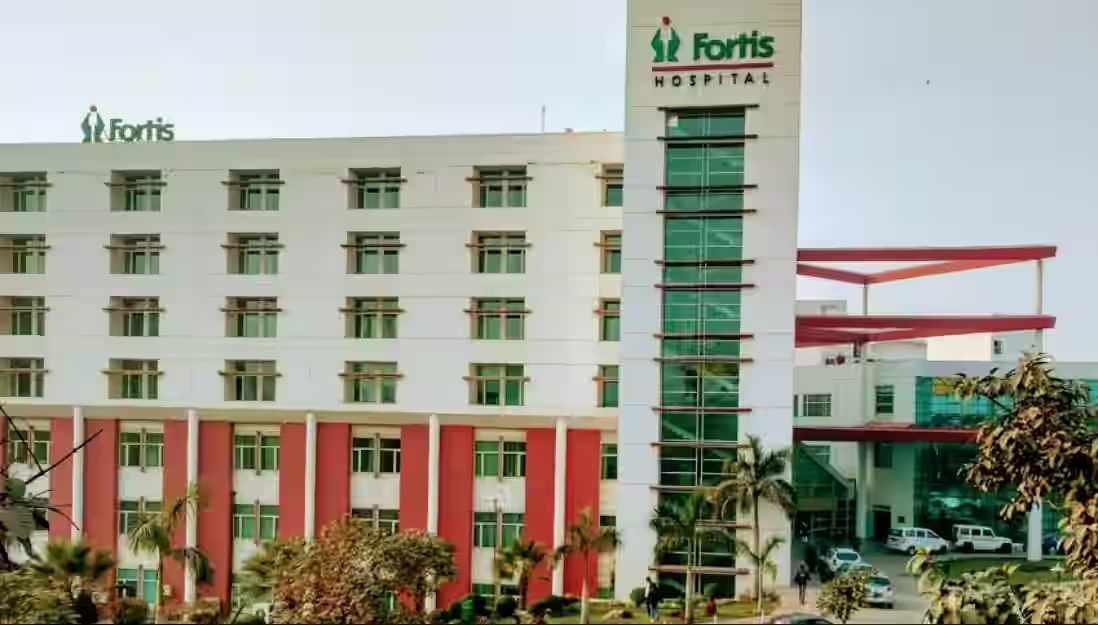
- Fortis Memorial Research Institute, Gurgaon
- Max Hospital, Saket
Conclusion
Open rectopexy is a well-known and time-tested surgical therapy of full-thickness rectal prolapse, which provides high anatomical repair and a low rate of recurrence. Long-term outcome is mostly excellent even though the recovery is slower with postoperative discomfort higher in comparison to laparoscopic methods; when done by an experienced surgeon. Complications are rare and most of them are manageable but constipation is the most common long term issue. The selection of patients, the attention to surgical technique, and strict adherence to the postoperative instructions, in particular, avoiding straining, are important factors in the realization of successful results.
Open rectopexy surgery India GetWellGo
GetWellGo is regarded as a leading supplier of healthcare services. We help our foreign clients choose the best treatment locations that suit their needs both financially and medically.
We offer:
- Complete transparency
- Fair costs.
- 24 hour availability.
- Medical E-visas
- Online consultation from recognized Indian experts.
- Help in choosing from among Best Open Rectopexy surgery Hospitals in India.
- Deserve expertise of surgeon with proven results in success.
- Assistance during and after the course of treatment.
- Language Support
- Travel and Accommodation Services
- Case manager assigned to every patient to provide seamless support in and out of the hospital like appointment booking
- Local SIM Cards
- Currency Exchange
- Arranging Patient’s local food
FAQ
1. Does open rectopexy have superiority to perineal operations?
- The recurrence rate of open rectopexy is typically lower than that of perineal procedures (such as Delorme or Altemeier) however the recovery duration is longer.
2. Is mesh used in open rectopexy?
- No. Suture rectopexy is popular among many surgeons. Mesh is applied selectively and only in cases where extra support is required.
3. Do bowel habits normalise after surgery?
- The normal bowel functioning is generally restored slowly. Temporary or chronic constipation can also be treated using drugs and diet.
4. Is it possible to revert to rectal prolapse following open rectopexy?
- Recurrence is a rare phenomenon, with a tendency of not more than 10 percent where postoperative advice is observed.
5. Can old patients be safely operated through open rectopexy?
- Sure, as long as the patient is in good health. General health is much more significant than age.
TREATMENT-RELATED QUESTIONS
GetWellGo will provide you end-to-end guidance and assistance and that will include finding relevant and the best doctors for you in India.
A relationship manager from GetWellGo will be assigned to you who will prepare your case, share with multiple doctors and hospitals and get back to you with a treatment plan, cost of treatment and other useful information. The relationship manager will take care of all details related to your visit and successful return & recovery.
Yes, if you wish GetWellGo can assist you in getting your appointments fixed with multiple doctors and hospitals, which will assist you in getting the second opinion and will help you in cost comparison as well.
Yes, our professional medical team will help you in getting the estimated cost for the treatment. The cost as you may be aware depends on the medical condition, the choice of treatment, the type of room opted for etc. All your medical history and essential treatment details would be analyzed by the team of experts in the hospitals. They will also provide you with the various types of rooms/accommodation packages available and you have to make the selection. Charges are likely to vary by the type of room you take.
You have to check with your health insurance provider for the details.
The price that you get from GetWellGo is directly from the hospital, it is also discounted and lowest possible in most cases. We help you in getting the best price possible.
No, we don't charge patients for any service or convenience fee. All healthcare services GetWellGo provide are free of cost.
.png)

.jpg)