Gastroenterology
Rectopexy Laparoscopic
Rectopexy Laparoscopic
Choose GetWellGo for Rectopexy Laparoscopic surgery with trusted specialists, advanced techniques, and complete support for international patients worldwide.
Laparoscopic rectopexy surgery
Laparoscopic rectopexy is a minimally invasive surgery that is applied to rectal prolapse such as when the rectum is out of position and might be sticking out through the anus. This procedure relays the rectum to its original position by small incisions and camera directed operation.
What is Laparoscopic rectopexy?
In this process the surgeon:
- Performs laparoscopic (keyhole) incisions in the abdominal wall.
- Massages and repositions the rectum.
- Connects the rectum and the sacrum (lower spine) with sutures or surgical mesh.
- This aims at avoiding additional prolapse and maintains bowel activity.
Indications of Laparoscopic Rectopexy
It is frequently prescribed to patients with:
- Complete full-thickness rectal prolapse.
- Frequent rectal prolapse following surgery.
- A patient who is in a condition to use general anesthesia.
- Patients that have good abdominal muscle tone.
- It is commonly desirable among younger or healthier patients because of a short bound of recovery and improved outcome in the long term.
Laparoscopic Rectopexy types
- ePosterior suture rctopexy- Rectum fixed with sutures alone.
- Mesh rectopexy - This is a rectal mesh.
- The Ventral Mesh Rectopexy (VMR) is Mesh for the rectum [more frequent because it lowers the danger of constipation]
Laparoscopic Rectopexy benefits
- Smaller scars
- Less pain
- Faster recovery
- Shorter hospital stay
- Reduced rate of recurrence as compared to perineal surgeries.
Laparoscopic rectopexy procedure
Laparoscopic rectopexy refers to a laparoscopic surgery to repair a lapsed rectum involving realignment and repair of the rectum to the sacrum (lower spine). The following is a stepwise description of the surgery, in a manner understandable to the patient.
Before the Procedure
- Blood tests, ECG, chest X-ray (if indicated), colonoscopy/defecography in some patients.
- Bowel preparation
- Fasting for 6 hours -8 hours before surgery.
- General anaesthesia is used
The procedure involves surgical intervention carried out in phases.
Anaesthesia and Positioning
- The patient is brought to sleep with general anaesthesia.
- The patient is placed in a supine position on the operating table in a head-down (Trendelenburg) position to improve visibility.
Small Incisions
- In the abdomen, 3-5 little cuts (0.51 cm) are made.
- A laparoscope (video camera) and surgical equipment are put in.
Rectal Mobilization
- The rectum is cautiously detached of tissues.
- Nerves that control the bowel and the bladder remain intact.
Rectopexy (Fixation of rectum)
It may depend on the method applied:
Posterior Rectopexy
- Rectum elevated and secured to the sacrum with mesh or suture.
- Lateral ligament division is involved
Ventral Mesh Rectopexy (Most common today)
- It is done on the rectum with the help of a mesh inserted to its front (ventral) side.
- Mesh is attached to the sacrum and the rectum.
- Helps decrease pelvic floor disorders and constipation.
Closure
- Stability in rectum is assured.
- Instruments are removed
- Wounds are stitched closed or stapled.
Duration & Hospital Stay
- Surgery time: 1.5–3 hours
- Hospital stay: 2–4 days
After the Procedure
- Walking promoted in the first 24 hours.
- Pain that was treated using oral drugs.
- Slow reintroduction of regular diet.
- Stool softeners that are regularly prescribed.
- Do not strain during the bowel movement.
Laparoscopic rectopexy recovery
Laparoscopic rectopexy recovery is usually easy and quick than the open surgery since it involves small cuts and less traumatization of the tissue. There is a simple step-by-step guide to it.
Recovery (First 24-48 hours)
- Hospital stay: Usually 2–4 days
- Pain: Mild to moderate belly pain, which are managed using pain medications
- Movement: Walking within 24 hours to avoid clots.
- Diet: Liquids atrescent to soft diet due to the bowel sounds.
- Bowel: Gaseous 1–2 days; 1 stool 2-3 days.
First Week After Surgery
- Light fatigue and discomfort are healthy.
- The sites of incision might be tight or bruised.
- The use of stool softeners is common.
- Do not strain when passing bowel movements.
- Keep on light walking.
Weeks 2–4
- Slow readjustment to normal everyday life.
- Severe pain greatly minimised or disappeared.
- Normal diet was reinstated (high-fiber food recommended)
- In 2 -3 weeks (office jobs previously), most patients are able to resume work.
Weeks 4–6
- To resume full functions slowly.
- Light exercise allowed
- Do not lift heavy objects; undertake hard work or straining until you are cleared.
Bowel Care During Recovery
To protect the surgical repair:
- Low fat diet (fruits, vegetables, whole grains)
- Adequate Fluids (2-3 L/d)
- Stool softeners if advised
- Do not delay bowel movements
- Do not sit on the toilet a long time.
Pain Management
- Prescription oral pain medication.
- The pain in the abdomen typically ends in 7-10 days.
- Localized discomfort in the shoulders (because of gaseous laparoscopy) can be short-term.
Laparoscopic rectopexy complications
Laparoscopic rectopexy is not a very dangerous procedure and is a successful method of treating rectal prolapse, however, just as in every surgical case, there are possible complications. The majority of them are rare, particularly in cases where experienced colorectal surgeon performs the procedure.
Early (Short-Term) Complications
- Pain and Discomfort
- Bleeding
- Infection
- Ileus (Temporary Bowel Sluggishness)
Late (Long-Term) Complications
- Constipation
- Recurrence of Rectal Prolapse
- Mesh-Related Complications
- Nerve Injury
Rare but Serious Complications
- Injury to Nearby Organs
- Blood Clots
Best hospital for laparoscopic rectopexy India
- Artemis Hospital, Gurgaon
- Medanta-The Medicity, Gurgaon
- Fortis Memorial Research Institute, Gurgaon
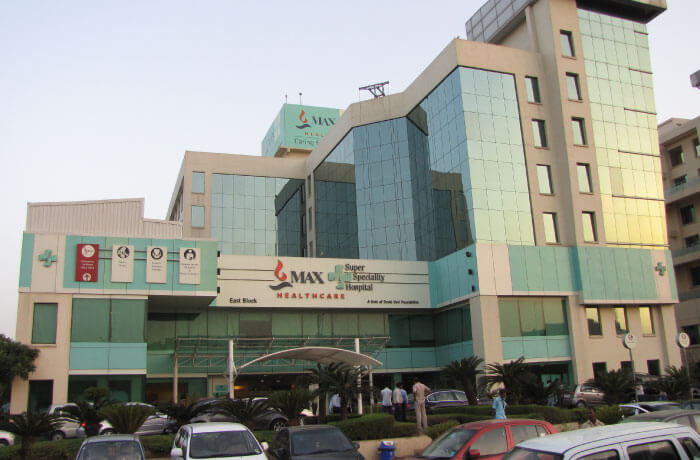
- Max Hospital, Saket
Conclusion
Laparoscopic rectopexy is a minimally invasive surgery used to treat rectal prolapse. The basic aim is to raise the rectum towards the sacrum and attach it to re-establish normal anatomy. General anaesthesia is used. Laparoscopic surgery involves small cuts (usually 3-5) cut in the abdomen to insert the laparoscope and surgical instruments. The rectum is then neatly removed out of the surrounding tissue taking care to avoid the removal of nerves in control of bowel and urinary function. The rectum is also raised and fastened to the sacral promontory with sutures or mesh. Equipments are pulled out and minor cuts are sewed with threads or surgical glue. The benefits of laparoscopic procedure over an open surgery are smaller incisions, less post-operative pain, shorter hospitalization and elevated rate of recovery.
Laparoscopic rectopexy India GetWellGo
GetWellGo is regarded as a leading supplier of healthcare services. We help our foreign clients choose the best treatment locations that suit their needs both financially and medically.
We offer:
- Complete transparency
- Fair costs.
- 24 hour availability.
- Medical E-visas
- Online consultation from recognized Indian experts.
- Help in choosing from among Best Laparoscopic Rectopexy surgery Hospitals in India.
- Deserve expertise of surgeon with proven results in success.
- Assistance during and after the course of treatment.
- Language Support
- Travel and Accommodation Services
- Case manager assigned to every patient to provide seamless support in and out of the hospital like appointment booking
- Local SIM Cards
- Currency Exchange
- Arranging Patient’s local food
FAQ
1. Is there pain after laparoscopic rectopexy?
- Pelectomy post-operative pain is generally mild to moderate and is readily controlled by medication. Compared to open rectopexy, pain is lesser since the incisions are smaller.
2. Will I have postoperative constipation or incontinence?
- There can be temporary constipation or slight alteration of bowel habits. Sool softeners are frequently prescribed. Long-term incontinence is not very common and is based on previous diseases and retention of nerves.
3. Is the prolapse to recur following surgery?
- Recurrence is not common, however, it may occur where prolapse is severe or chronic. Improper bowel management and follow-up reduce the risk.
4. Does laparoscopic rectopexy outperform open surgery?
- The laparoscopic surgery has smaller scars, less pain, quick recovery and reduction of hospital stay. Complex or recurrent cases may be taken into account in the open surgery.
5. Do you have dietary restrictions following surgery?
- It is advised that a soft diet should be provided and then normal foods should be taken gradually. Foods with fiber and sufficient hydration are useful in ensuring that bowel movements are smooth.
TREATMENT-RELATED QUESTIONS
GetWellGo will provide you end-to-end guidance and assistance and that will include finding relevant and the best doctors for you in India.
A relationship manager from GetWellGo will be assigned to you who will prepare your case, share with multiple doctors and hospitals and get back to you with a treatment plan, cost of treatment and other useful information. The relationship manager will take care of all details related to your visit and successful return & recovery.
Yes, if you wish GetWellGo can assist you in getting your appointments fixed with multiple doctors and hospitals, which will assist you in getting the second opinion and will help you in cost comparison as well.
Yes, our professional medical team will help you in getting the estimated cost for the treatment. The cost as you may be aware depends on the medical condition, the choice of treatment, the type of room opted for etc. All your medical history and essential treatment details would be analyzed by the team of experts in the hospitals. They will also provide you with the various types of rooms/accommodation packages available and you have to make the selection. Charges are likely to vary by the type of room you take.
You have to check with your health insurance provider for the details.
The price that you get from GetWellGo is directly from the hospital, it is also discounted and lowest possible in most cases. We help you in getting the best price possible.
No, we don't charge patients for any service or convenience fee. All healthcare services GetWellGo provide are free of cost.
.png)

.jpg)