Cancer
Prostate Surgery in India (TURP)
Prostate Surgery
GetWellGo offers African patients affordable and high-quality Prostate Surgery (TURP) in India, ensuring expert care, advanced facilities, and successful outcomes.
A part of the prostate gland is removed from the patient's body during a surgical operation called transurethral resection of the prostate (TURP). Because TURP surgery in India is far less expensive than in the US, UK, and other Eastern countries, patients from other countries choose to prefer India for the same. International patients can save up to 40% on their costs while still receiving the same high caliber of treatment as they would in their own nations.
Need for Prostate Surgery
Physicians usually recommend TURP surgery for older men with benign prostatic hyperplasia (BPH). The condition known as BPH means enlargement of the prostate gland. This condition can make it difficult for a person to completely empty their bladder, which can lead to bleeding and recurrent urinary infections.
Additionally, TURP is commonly recommended for people whose symptoms of prostate enlargement become worse and do not get better with medications.
 Free Consultation on WhatsApp
Conditions requiring enlarged prostate surgery
The following symptoms could improve as a result of TURP
- Difficulty in urination
- Sporadic urination or a slow urine flow
- An ongoing need to urinate
- Frequent urination at night
- An overwhelming need to urinate
- Being unable to release your bladder
Prostate cancer Surgery
The goal of prostate cancer surgery, which is typically a radical prostatectomy, is to remove the prostate gland completely along with any surrounding tissues in order to eradicate the malignancy.
Techniques: Open surgery, laparoscopic surgery, or robotically assisted surgery can all be used to execute this procedure. It may also require removing surrounding lymph nodes. Radical prostatectomy is the most prevalent surgery. Robotic or open laparoscopic surgery can be used to do it.
In an open surgery, the surgeon makes a large incision in the lower abdomen. However, in a laparoscopic prostatectomy, the surgeon makes multiple small incisions and a specific lengthy surgical device to remove the prostate.
Prostate Cancer Surgery vs TURP Surgery
Although the prostate is involved in both operations, prostate cancer surgery removes malignant tissue, while TURP treats benign prostate enlargement.
Before TURP Prostate Surgery
- Consultation and Informed Consent: Your healthcare professional will go over the process and address any questions you may have before surgery. To ensure a safe and effective procedure, adhere to all directions provided by the healthcare provider.
- Medical Evaluation and Tests: To guarantee surgical fitness, a physical examination and review of medical history will be conducted.
- Fasting: Eight hours or more of fasting must pass before surgery.
- List of Allergies and Medication: You must inform your healthcare professional of any allergies, sensitivities, and medications you take.
- Blood-Thinning Drugs: It might be necessary to cease taking aspirin and blood-thinning drugs prior to surgery.
- Smoking Cessation: If at all possible, give up smoking a few weeks before surgery.
- Sedation: Before surgery, you may be given a sedative to help you relax.
- Preventive Antibiotics: In order to avoid urinary tract infections, prescription antibiotics may be given.
During TURP Surgery
- IV Line: To provide medication and fluids, an intravenous (IV) line is inserted into your hand or arm.
- Positioning: On the operating table, you will typically be lying on your back with your legs in stirrups.
- Anesthetic: During the surgery, anesthesia is used to make you asleep. Breathing assistance may be provided by an endotracheal tube connected to a ventilator.
- Examination: To check for any anomalies, such as tumors or stones, the surgeon may insert an endoscope through the tip of the penis to examine the bladder and urethra.
- Resection: a resectoscope is inserted through the tip of the penis. After that, it enters your prostate region by passing through your urethra. There won't be any external incisions, or cuts.
- Prostate gland tissue is excised using a resectoscope. One tiny piece at a time is removed.
- The resectoscope also leaks fluid when it cuts tiny fragments of tissue from inside the prostate. The tissue fragments are carried into the bladder by the liquid. At the conclusion of the procedure, they are taken out.
- Catheter: Urine outflow is facilitated by a soft, flexible catheter, which is inserted into your bladder following surgery.
After Prostate Surgery
In Hospital
- Recovery Room: Following surgery, you will be attentively observed in a recovery room with regards to your respiration, pulse, and blood pressure. You will be taken to your hospital room as soon as you are stable and awake.
- Pain Management: Depending on the situation, a nurse or a device attached to your IV line may administer pain medication.
- Fluid Intake: your fluid intake will progressively rise, as you move from liquid to solid food,
- Catheter: To help with urine outflow and encourage healing, a catheter will be inserted into your bladder. You could first detect some blood in your urine, but it will go away with time.
At home
- Hydration: To flush out any remaining blood or clots in your bladder, drink a lot of water.
- Activity Restrictions: Avoid hard lifting for several weeks to reduce bleeding.
- Pain management: Take painkillers as directed by your physician if you feel sensitive or sore.
- Seeking Medical Attention: Get in touch with your doctor if you experience any of the following symptoms: fever, increased blood or clots in your urine, trouble peeing, problems controlling your bladder, or any other concerns.
How long does prostate cancer surgery take?
It takes between 60 and 90 minutes to complete the prostate cancer surgery.
Factors affecting the cost of TURP Surgery in India
The following are some factors that may impact the cost of TURP surgery in India:
- Medications
- Location
- The cost of hospital stays
- Infrastructure and reputation of hospitals
- The proficiency and background of healthcare providers
- Type of diagnostic tests
- Type of treatment approach
Prostate Cancer Surgery success rate in India
The success rate for Transurethral Resection of Prostate cancer surgery ranges from 85% to 90%. It works wonders for increasing urine flow rates and lessening the symptoms of obstructive voiding. The symptoms of an enlarged prostate, such as decreased urine flow and difficulty urinating, may significantly improve in patients.
Also read :- Best Cancer Hospitals in India
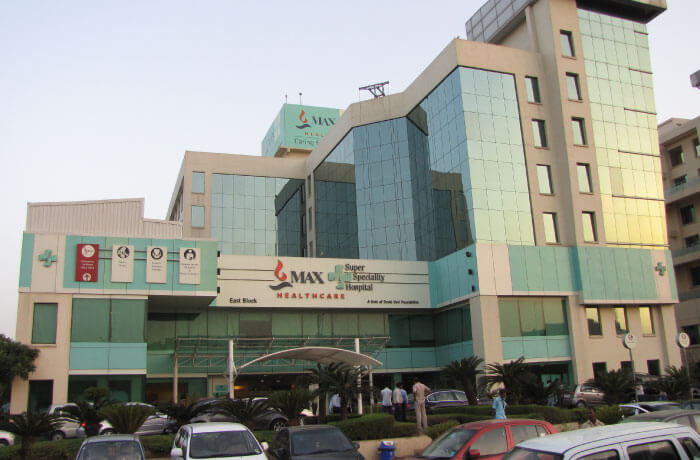
Best Hospitals for Prostate Cancer Surgery in India
- Fortis Memorial Research Institute, Gurgaon
- Medanta - The Medicity, Gurgaon
- Artemis Hospital, Gurgaon
- Indraprastha Apollo Hospital, New Delhi
- Max Super Speciality Hospital, Saket
- Fortis Escorts, Okhla Road, New Delhi
Best surgeons for Prostate Cancer Surgery in India
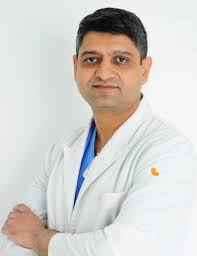
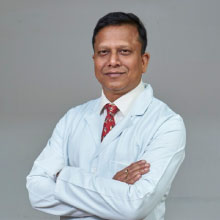
- Dr. Anil Mandhani
- Dr. Rajesh Ahlawat
- Dr. Rajiv Yadav
- Dr. Anshuman Agarwal
- Dr. Anupam Bhargava
- Dr. Paresh Jain
Free Consultation on WhatsApp
FAQ
1. How soon after my prostate surgery can I get back to my regular activities?
- Following prostate enlargement surgery, recovery often takes four weeks or longer. However, this time frame could change according to the type of surgery that is done. Because laser surgery involves less intrusive treatments, patients may be able to return to their regular activities sooner.
2. What benefits does prostate laser surgery offer over other options?
Among the benefits of laser surgery over traditional methods like prostatectomy and TURP are:
- Reduced chance of bleeding
- Quicker recovery
- Shorter hospital stay
- The catheter is only required temporarily.
3. Why should I prefer India for prostate cancer surgery?
India is becoming a popular destination for foreign patients seeking top-notch care at affordable prices. The Indian healthcare system is equipped with highly skilled physicians and teams for both surgical and post-operative care who can manage complicated cases at an affordable price. Medical procedures and treatments in India cost almost half as much as in the West and other wealthy nations.
4. How much time will I spend in the hospital following TURP Surgery?
- Patients usually remain in the hospital following a prostate enlargement procedure for three days. The patient is observed by the medical team throughout this period for any complications. Patients undergoing laser surgery may need to stay overnight and can return home the next day.
6. How can I choose a hospital and physician for prostate cancer treatment in India?
- We will assist you in getting expert advice and the best treatment from a panel of cancer specialists. You can contact us via phone at +91-9289678787 or email us at care@getwellgo.com
TREATMENT-RELATED QUESTIONS
GetWellGo will provide you end-to-end guidance and assistance and that will include finding relevant and the best doctors for you in India.
A relationship manager from GetWellGo will be assigned to you who will prepare your case, share with multiple doctors and hospitals and get back to you with a treatment plan, cost of treatment and other useful information. The relationship manager will take care of all details related to your visit and successful return & recovery.
Yes, if you wish GetWellGo can assist you in getting your appointments fixed with multiple doctors and hospitals, which will assist you in getting the second opinion and will help you in cost comparison as well.
Yes, our professional medical team will help you in getting the estimated cost for the treatment. The cost as you may be aware depends on the medical condition, the choice of treatment, the type of room opted for etc. All your medical history and essential treatment details would be analyzed by the team of experts in the hospitals. They will also provide you with the various types of rooms/accommodation packages available and you have to make the selection. Charges are likely to vary by the type of room you take.
You have to check with your health insurance provider for the details.
The price that you get from GetWellGo is directly from the hospital, it is also discounted and lowest possible in most cases. We help you in getting the best price possible.
No, we don't charge patients for any service or convenience fee. All healthcare services GetWellGo provide are free of cost.