General Surgery
Fistulectomy
Fistulectomy
Fistulectomy surgically excises the complete anal fistula tract to eliminate infection and prevent recurrence. This definitive treatment by colorectal surgeons preserves sphincter function for optimal healing.
Fistulectomy surgery
Fistulectomy is a medical process that involves the total removal of an anal fistula; an atypical passageway between the anal canal and the skin near the anus. The intention is to achieve absence of persistent infection, discharge and pain and encourage adequate healing. The recommendations are usually to perform it in cases where the conservative treatments fail or in cases where the fistula is recurrent or complicated.
Who Needs Fistulectomy?
The fistuletomy that can be recommended is in case of:
- Repeated/persistent anal fistula.
- Continuous discharge of pus or bad odor.
- Suffering, hematoma, or recurrent anal abscesses.
- Multiple-tract complex fistulas.
- Infection-related or traumatic fistula.
Benefits of Fistulectomy
- Total debrideement of infected tissue.
- Lower recurrence rate
- Applicable to complex fistulas or recurrent fistulas.
- Symptomatic relief over the long-term.
Anal fistulectomy procedure
In anal fistulectomy, surgical intervention is done where the fistula tract (tunnel between the anal canal and the skin) is totally removed. It is usually done on chronic, recurrent or complex fistulas of the anal region to avoid recurrence and infection.
Preparation before the Procedure
The procedures before surgery involve:
- Clinical tests and scans (MRI fistulogram or endoanal ultrasound)
- Blood tests are done to check the blood of anaesthesia patients, particularly men, as their blood might have high iron levels which can reduce oxygen solubility.
- Bowel preparing (enema or mild laxative)
- Preoperative fasting 6 to 8 hours.
- Antibiotics can be administered prior to surgery.
Procedure:
Anaesthesia
- Surgical procedure carried out with either spinal or general anaesthesia.
Positioning
-
Lithotomy or prone jackknife position of patient.
Fistula Tract Identification
- It is found in the external opening.
- The fistula pathway may be traced by the use of a probe or dye (methylene blue or hydrogen peroxide).
Excision of Fistula Tract
- The surgeon meticulously excises the fistula tract around and ablates the whole tract.
- Infected and fibrotic tissue is removed in totality.
Protection of the Sphincter Muscle
-
Special attention is paid to sphincter anal muscles in order to avoid incontinence.
Hemostasis
-
The bleeding is managed with cautery or sutures.
Wound Management
- The wound is normally left to heal naturally (secondary intention)
- Packing or dressing is used.
Duration of Procedure
-
Normally, between 30 and 90 minutes, as per the severity of the fistula.
After the Procedure
- Monitoring until anaesthesia subsides.
- Treatment of pain using oral drugs.
- Fluids then followed by soft diet.
- Same day discharge or 1-2 days.
Fistulectomy recovery
The process of recovery following fistulectomy surgery is slow since the wound is normally left open to develop naturally. When properly managed, the majority of patients recover and return to work without any relapse.
Begin to heal immediately (first 24-48 hours)
- Minor pain or discomfort in the anus region.
- Small blood loss or discharge of the wound is normal.
- Suffering that is treated by way of prescribed drugs.
- Liquids advancing to soft diet.
- Majority of the patients are discharged within 12 hours or 1-2 days.
First Week After Surgery
- Pain reduces steadily
- Sutures, daily wound dressing needed.
- Comfortable sitz baths (every 10 to 15 minutes, two or three times a day)
- Avoid constipation, and stool softeners are usually advised.
- Exercise is highly encouraged in terms of walking, but not sitting.
Weeks 2–4
- Observable healing of wound commences.
- Discharge decreases
- Is able to do light work or desk work.
- Keep to high-fiber diet and a minimum of fluids.
- Strict local hygiene.
Weeks 4–8
- Major recovery among the majority of patients.
- Go back to normal day to day life.
- Complex fistulas may have prolonged wound closure.
Pain Management
- Mild or moderate pain.
- Monitored using oral painkillers.
- Sitz baths are important in alleviating discomfort as well as spasm.
Wound Care Tips
- Keep the area clean and dry
- Change dressings on a daily basis or as recommended.
- Do not use untreated ointments.
- Have loose and breathable clothes.
Diet During Recovery
- Whole grain, vegetable, fruit, and high fiber intake.
- Sufficient fluid (2.5–3 L/d without restriction)
- Do not take spicy foods at first when it makes you uncomfortable.
- Straining should be avoided by using stool softeners.
Activity & Lifestyle
- Walking encouraged from day 1
- Heavy lifting and hard exercise should be avoided during 3-4 weeks.
- Long sitting should be avoided; a soft cushion may be used.
- Healing of wounds can normally restore sexual activity.
Follow-Up Care
- First follow-up in 1–2 weeks
- Continuous check up until full recovery.
- Report incessant pain, fever, or discharge, which is foul, without delay.
Fistulectomy complications
Fistulectomy is a fairly safe and successful method used to treat anal fistulas, although similar to any surgery, it is not devoid of the risks. To identify these complications earlier and manage them, consciousness is used.
Common Complications
- Pain and Discomfort
- Bleeding
- Infection
- Delayed Wound Healing
Less Common but Serious Complications
- Recurrence of Fistula
- Fecal Incontinence
- Anal Stenosis or Narrowing
- Fistula-in-Ano Persistence
Best hospital for fistulectomy India
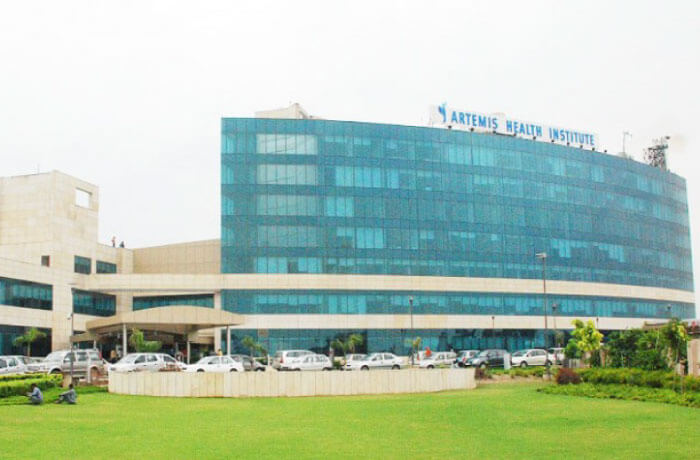
- Artemis Hospital, Gurgaon
- Medanta-The Medicity, Gurgaon
- Fortis Memorial Research Institute, Gurgaon
- Max Hospital, Saket
Conclusion
Fistulectomy is a surgical cure which is conclusive in the case of the hadith fistula, specifically where the fistula is complex, recurrent, or persistent. This helps to eliminate the cause of infection and to lower the risk of fistula recurrence because the whole portion of the fistula tract is removed, which in turn helps to relieve pain, discharge and abscess formation permanently. The surgery is conducted using the general or spinal anaesthesia. The whole fistula tract is excised taking caution not to damage the anal sphincter. Natural healing takes 4-8 weeks and must be well cared for. This may result in complications such as pain, bleeding, infection, or recurrence, all of which are rarely encountered if the surgeon is experienced. Proper treatment after surgery (sitz baths, high-fiber diet, and post-discharge follow up) is really what ensures best recovery.
Fistulectomy surgery India GetWellGo
GetWellGo is regarded as a leading supplier of healthcare services. We help our foreign clients choose the best treatment locations that suit their needs both financially and medically.
We offer:
- Complete transparency
- Fair costs.
- 24 hour availability.
- Medical E-visas
- Online consultation from recognized Indian experts.
- Help in choosing from among Best Fistulectomy surgery Hospitals in India.
- Deserve expertise of surgeon with proven results in success.
- Assistance during and after the course of treatment.
- Language Support
- Travel and Accommodation Services
- Case manager assigned to every patient to provide seamless support in and out of the hospital like appointment booking
- Local SIM Cards
- Currency Exchange
- Arranging Patient’s local food
FAQ
Who needs fistulectomy?
- Chronic, recurrent or complex fistulas in the patients
- Patients with long-term pain, discharge, or abscesses.
Is fistulectomy painful?
- Pain is normal, mild to moderate. It is normally treated by administration of oral analgesics and sitz baths.
Will the fistula come back?
- Recurrence is less frequent when the whole tract is excised, although it is a little bit more common in complex or branching fistulas.
Am I able to sit and walk normally after surgery?
- Yes, however, during the initial days of recovery, one should avoid staying in one place and straining.
TREATMENT-RELATED QUESTIONS
GetWellGo will provide you end-to-end guidance and assistance and that will include finding relevant and the best doctors for you in India.
A relationship manager from GetWellGo will be assigned to you who will prepare your case, share with multiple doctors and hospitals and get back to you with a treatment plan, cost of treatment and other useful information. The relationship manager will take care of all details related to your visit and successful return & recovery.
Yes, if you wish GetWellGo can assist you in getting your appointments fixed with multiple doctors and hospitals, which will assist you in getting the second opinion and will help you in cost comparison as well.
Yes, our professional medical team will help you in getting the estimated cost for the treatment. The cost as you may be aware depends on the medical condition, the choice of treatment, the type of room opted for etc. All your medical history and essential treatment details would be analyzed by the team of experts in the hospitals. They will also provide you with the various types of rooms/accommodation packages available and you have to make the selection. Charges are likely to vary by the type of room you take.
You have to check with your health insurance provider for the details.
The price that you get from GetWellGo is directly from the hospital, it is also discounted and lowest possible in most cases. We help you in getting the best price possible.
No, we don't charge patients for any service or convenience fee. All healthcare services GetWellGo provide are free of cost.