Urology
Epispadias Repair
Epispadias Repair
Epispadias repair surgically corrects the congenital urethral defect where the opening is on the penis's top surface. Performed by pediatric urologists, it restores normal urination, continence, and cosmetic appearance through precise reconstruction.
Epispadias surgery
Epispadias is a little known genetic defect of the penis when the urethra fails to develop normally, the opening of the urethra appears on the upper (dorsal) side of the penis in male or close to the clitoris in female. It tends to have an impact on urinary continence, and may be linked to bladder exstrophy.
Indications for Surgery
- Appropriate abnormal urethral opening.
- Improve urinary continence
- Reform normal genital appearance and functioning.
- Avoid complications such as infections.
Surgery is typically advised at an early age of 6-18 months although it could be done later in life in case they are not corrected at an early age.
Categories of Surgery
- Epispadias surgery is complicated and can have several stages. The main procedures include:
Adjusted Cantwell-Ransley Repair
- Isolated epispadias is commonly treated with this.
Steps:
- Urethral plate mobilization.
- Dorsal urethra reconstruction.
- Penile curvature (where sociologically appropriate).
- Plastic surgery of the glans.
- Aims: To describe the methods and evaluate the outcomes of reconstructing the urethra for functional and cosmetic reasons.
Entire Penile/Urethral Reconstruction
- Used in severe cases.
- Surgery involves urethral repair and repair of chordee (penile curvature) and glansplasty.
- May needs tissue grafts (e.g. inner preputial skin).
Bladder Neck Reconstruction (when it comes with incontinence)
- In children having epispadias and urinary incontinence.
Techniques:
- Young-Dees-Leadbetter procedure.
- Contemporary continence surgery can be used to address the bladder neck with urethroplasty.
Epispadias repair procedure
The details of repair of epispadias are as follows in a stepwise manner:
Preparation before surgery
- Evaluation: Physical exam, urinary tract (ultrasound, VCUG), renal exam.
- Anaesthesia: General anaesthesia with or without caudal block for pain relief.
- Antibiotics: Prophylactic antibiotics to prevent infection.
- Catheter: A pigtail ureteral catheter can be placed to assist in surgery and healing.
Incision and Exposure
- Incision: Make a midline incision dorsally at the penis.
- Move the plate of urethra (the tissue which will become the urethra).
- Dissecting tissue carefully is important to maintain blood.
- Correct the chordee (dorsal bending) if its present.
Urethral Reconstruction
- Reconstruction of urethral plate is tuberization or reconstruction along the dorsal surface.
- In some cases, the urethra can be restored by using preputial or local skin flaps in case of insufficiency of tissue.
- Make sure that it has a tension-free closure to reduce the formation of fistulas.
Glans and Penile Skin Reconstruction (Glansplasty and Skin Closure)
- Restore the glans to a normal appearance.
- Suture up of the penile skin with local flaps to prevent tension.
- Make sure that the urethral meatus lies at the end of glans.
Bladder Neck/Continence Procedures (where necessary)
- If the child is suffering from urinary incontinence, it can have a bladder neck repair.
Techniques may include:
- Young-Dees-Leadbetter repair
- Contemporary continence surgery based on surgeon choice.
Postoperative Care
- Urinary catheter: 7-14 days as a rule.
- Dressings: Penile dressing to shield the repair.
- Antibiotics: To continue prevention of infection.
- Pain treatment: Oral analgesics or IV analgesics.
- Note bleeding, infection, or catheter obstruction.
Recovery and Follow-up
- Hospitalization: 5-10 days with complexity.
- Catheter removal: 7–14 days.
- Wound healing: 4–6 weeks.
Long-term follow-up:
- Evaluation for urethral incontinence.
- Cosmetic appearance
- Sexual functioning in adolescence.
Epispadias repair complications
Following is the complications of epispadias repair in detail:
Early/Postoperative Complications
They occur right after or in the first few weeks after surgery:
- Bleeding/Hematoma
- Wound Infection
- Wound Dehiscence
- Catheter-related Complications
Complications of the Urethra
- Urethrocutaneous Fistula
- Meatal Stenosis
- Urethral Stricture
Penile/Genital Complications
- Residual Chordee (Penile Curvature)
- Cosmetic Issues
Urinary Complications
- Persistent Urinary Incontinence
- Urinary Tract Infection
Chronic/Adolescent Complications
- Sexual Dysfunction
- Psychosocial Impact
Epispadias repair recovery
Summary of recovery from epispadias repair after surgery:
Postoperative Recovery (0-2 week)
- Length of stay in hospital: About 5-10 days depending on the type of surgery.
Catheter Care:
- A catheter is introduced into the urinary tract in order to permit the healing process of the urethra.
- Catheter is retained 7-14 days.
- Caution entails maintaining its cleanliness and patent.
- Pain Management: Oral/IV analgesics; occasionally a caudal block.
Wound Care:
- The surgical site maintained clean and dry.
- Changing of dressings according to the instructions of the surgeon.
- Action: Not much movement; no pressure at the penis.
Short-term Recovery (2–6 Weeks)
- Catheter Removal: Typically 1 -2 weeks.
Urination:
- May have lower abdominal dysuria or dribbling.
- Look at leakage or obstruction.
- Dressings: The majority of external stitches are dissolved or removed.
- Follow-up Visits: Usually, the initial follow-up appointment is 1 to 2 weeks after your procedure to assess wound healing.
- Education: Light level; prevent intense activity, rough play or injuries to the genital locality.
Medium-term Recovery (6 weeks -3 months)
- Healing: Wound generally fully recovered within 4-6 weeks.
Urinary Function:
- Normal urination is gained.
- Transient minor dribbling or intermittent stream can be observed.
Complications Observation:
- Observe fistula, meatal stenosis or chordee remnant.
- Restoration of Normal Activities: Normal activities can be resumed by children, generally through going back to school.
Long-term (3 Months-Adolescence) Recovery
Urinary Continence:
- The majority of the children attain normal urination.
- Others might require the use of bladder neck and continence surgeries in case incontinence does not stop.
Penile Appearance & Function:
- Cosmetic looks even out.
- In some instances, secondary procedures can be required.
Sexual Function:
- Assessed at the age of adolescence; others may need to have small correction of curvature or position of the meatal.
Follow-up Care
Periodic visits to urologist:
- 1–2 weeks after surgery
- 1–3 months
- 6 months
- Yearly until adolescence
- Take imaging or urine tests in case there is an issue in the functioning of the bladder or kidneys.
- Parental care: Maintain catheter cleanliness, wound care, and activity as advised.
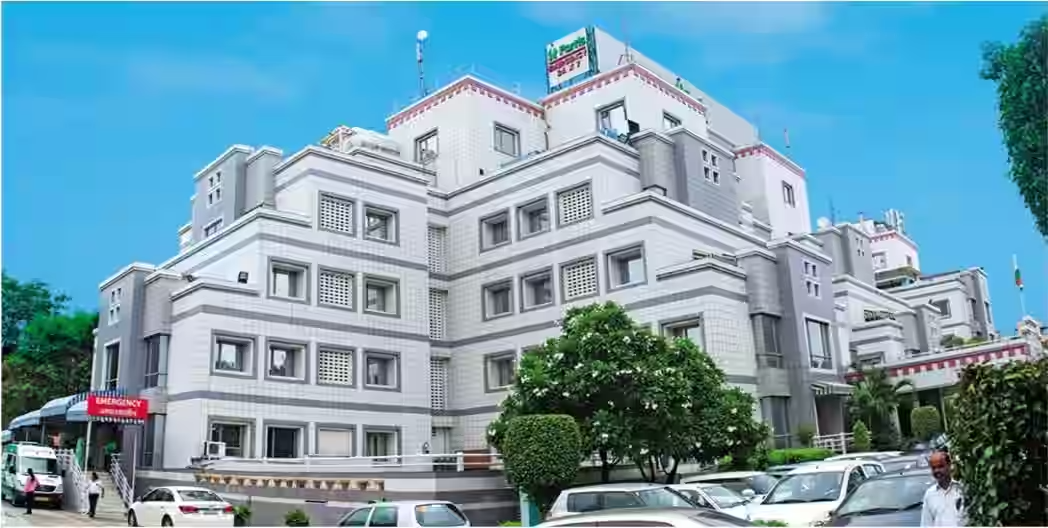
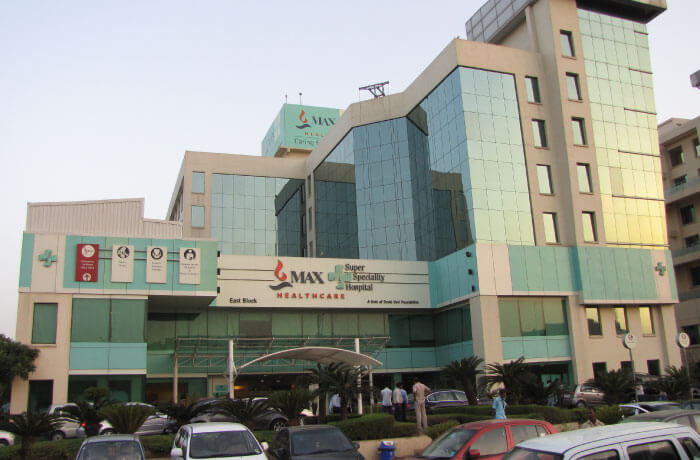
Best hospital for epispadias repair India
- Artemis Hospital, Gurgaon
- Medanta-The Medicity, Gurgaon
- Fortis Memorial Research Institute, Gurgaon
- Max Hospital, Saket
Conclusion
Epispadias is a congenital urethral malformation that is rare and can disrupt urinary continence, the image of the genitals, and subsequent sexual functioning. The ultimate treatment is surgical repair which should be done at a tender age and seeks to:
- Rebuild the urethra to be able to urinate normally.
- Proper penile curvature (chordee)
- Renew cosmetic beauty.
- Enhance urinary continence, particularly, the one relating to bladder neck weakness.
The modified Cantwell-Ransley repair or complete penile reconstruction is modern surgical procedures that are highly successful. Functional and aesthetic results are possible in most cases after the close postoperative attention and the long-term follow-up of children.
Epispadias repair surgery India GetWellGo
GetWellGo is regarded as a leading supplier of healthcare services. We help our foreign clients choose the best treatment locations that suit their needs both financially and medically.
We offer:
- Complete transparency
- Fair costs.
- 24 hour availability.
- Medical E-visas
- Online consultation from recognized Indian experts.
- Help in choosing from among Best Epispadias repair surgery Hospitals in India.
- Deserve expertise of paediatric urologist with proven results in success.
- Assistance during and after the course of treatment.
- Language Support
- Travel and Accommodation Services
- Case manager assigned to every patient to provide seamless support in and out of the hospital like appointment booking
- Local SIM Cards
- Currency Exchange
- Arranging Patient’s local food
FAQ
What age does surgery become advisable?
- The surgery is typically done at between 6 and 18 months of age.
- Early repair leads to better functional and cosmetic results.
- Surgery can be performed later in life or adolescence if not done in early childhood.
How do you take care of the urinary catheter?
- The catheter is left in place for 7 to 14 days to let the urethra heal.
- Instructions on how to keep the device clean and how to check for blockage are sent home with the parents.
Will my child urinate normally after surgery?
- Most children will urinate normal after surgery.
- They should be aware that urinary continence may improve with time, particularly after bladder neck reconstruction, if required.
Will the penis look normal after surgery?
- Surgery will attempt to recreate what a normal penis or genital area might look like.
- There may be minor cosmetic problems that are corrected with secondary procedures.
Is epispadias repair possible in adults?
- Yes, but results are usually best if done in childhood.
- Adult repair may be more difficult, particularly in cases where there is chronic incontinence or tissue scarring.
Is a two-stage operation required?
- Sometimes, yes. Severe cases or those associated with bladder exstrophy may need staged procedures.
TREATMENT-RELATED QUESTIONS
GetWellGo will provide you end-to-end guidance and assistance and that will include finding relevant and the best doctors for you in India.
A relationship manager from GetWellGo will be assigned to you who will prepare your case, share with multiple doctors and hospitals and get back to you with a treatment plan, cost of treatment and other useful information. The relationship manager will take care of all details related to your visit and successful return & recovery.
Yes, if you wish GetWellGo can assist you in getting your appointments fixed with multiple doctors and hospitals, which will assist you in getting the second opinion and will help you in cost comparison as well.
Yes, our professional medical team will help you in getting the estimated cost for the treatment. The cost as you may be aware depends on the medical condition, the choice of treatment, the type of room opted for etc. All your medical history and essential treatment details would be analyzed by the team of experts in the hospitals. They will also provide you with the various types of rooms/accommodation packages available and you have to make the selection. Charges are likely to vary by the type of room you take.
You have to check with your health insurance provider for the details.
The price that you get from GetWellGo is directly from the hospital, it is also discounted and lowest possible in most cases. We help you in getting the best price possible.
No, we don't charge patients for any service or convenience fee. All healthcare services GetWellGo provide are free of cost.