General Surgery
Colostomy Closure
Colostomy Closure
Colostomy closure surgically reverses a temporary colostomy, reconnecting bowel segments to restore normal continuity. Performed after healing from initial surgery, it improves quality of life with careful patient selection.
Colostomy closure
Colostomy reversal, sometimes referred to as colostomy closure is a surgery performed in order to rejoin the bowel so that stool passes through it in its usual manner following a temporary colostomy.
What is a Colostomy Closure?
Colostomy closure includes:
- Reconnecting the diverted colon to the left intestine or rectal area.
- Sealing the opening of the abdominal stoma.
- Passing stool through the anus once more.
- It is also done when the condition preceding the colostomy is healed or under control.
Who is a candidate of colostomy closure?
A surgeon can think of reversal in case:
- The original ailment or injury has been cured.
- No active infection or inflammation is present.
- The other bowel and anal sphincter is healthy.
- The general health of the patient is not troubled.
Typical scenarios in which closure is to be done:
- Post traumatic colorectal surgery.
- Bowel perforation- Temporary diversion.
- Congenital diseases (particularly in children)
- Recovery following cancer or inflammatory bowel surgery.
Colostomy closure surgery
Colostomy closure or colostomy reversal is a premeditated surgical procedure designed to restore bowel continuity to an interim colostomy.
Preoperative Preparation
The patient experiences preoperative:
- Blood examinations and imaging (contrast study/CT as necessary)
- Evaluation of the bowel and nutritional optimization.
- Bowel preparation (in some instances only)
- Antibiotics before surgery
- Fasting for 6–8 hours
- Informed consent
Anaesthesia and Positioning
- General anaesthesia is conducted.
- Patient in supine position.
- Abdomen wiped and covered with sterile.
Surgical Approach
The process may be carried out by:
- Open surgery
- Laparoscopic technique
The strategy relies on previous surgeries, adhesions and condition of the patient.
Mobilization of the Colostomy
- The stoma is dissectioned out cautiously of the abdominal wall.
- Peritoneal fissures are discharged.
- The colostomy part is mobilized without damaging the blood supply.
Bowel Ends Identification
-
The proximal colostomy limb is found.
The distal colon/rectum is identified and evaluated as:
- Good blood supply
- Adequate length
- Healthy tissue
Bowel reconnection
The two ends of the bowel re-connected with:
- Hand-sewn sutures or
- Stapling devices
Types of anastomosis:
- End-to-end
- End-to-side (based on anatomy)
- Integrity of anastomosis is assessed.
Closure of the Stoma Site
-
Layers of the abdominal walls are closed.
Skin closure may be:
- Primary closure
- Late or purse-string closure (to minimize the risk of an infection).
- A drain can be instituted as necessary.
Completion of Surgery
- Hemostasis ensured
- Surgical site dressed
- Patient transferred to recovery room.
Postoperative Care
- Nil by mouth first procedure → gradual oral intake.
- Pain control and IV fluids
- Early mobilization
Monitoring for:
- Anastomotic leak
- Infection
- Bowel obstruction
Duration of Surgery
-
In general, 1-3 hours based on the complexity and adhesions.
Colostomy closure recovery
The recovery after stoma reversal (colostomy closure) is variable and depends on factors such as age, general health, and the complexity of the surgery, but in the vast majority of cases bowel function returns to normal within a few weeks.
The Immediate Postoperative Period (Day 0-3)
- Constant observation in recovery room or ward.
- Pain managed using IV/ oral medications.
- IV fluids; no oral intake in the first place.
- Bowel sounds are to be expected back.
- Early mobilization to avoid complications.
What’s normal:
- Abdominal discomfort
- Mild bloating
- No stools for 2–3 days.
Initial recovery stage (Day 3-7)
- Liquids of clear nature (without diseases) → soft diet when bowel activity goes back to normal.
- Gas passage is a positive indication.
- Bowel movements can be flea-like or liquid.
- Wound in stoma sites investigated on a daily basis.
- Drain removal if placed
- Hospital stay: usually 5–10 days
At Home Recovery (Week 2–6)
- Stepwise reintroduction of normal diet.
- Bowel habit becomes gradually stable.
- Urgent or diarrhea may be mild and temporary.
- Home wound care (keep dry and clean)
- Light walking encouraged
Avoid:
- Heavy lifting (>5–7 kg)
- Strenuous exercise
- Difficulty in bowel badgering.
Diet During Recovery
- Begin with low fiber and easy to digest foods.
- Small, frequent meals
- Adequate hydration
Foods to prefer initially:
- Rice, toast, bananas
- Boiled vegetables
- Yogurt/curd (if tolerated)
- Soft lentils
Limit early on:
- Spicy foods
- Fried foods
- Carbonated drinks
- Very high-fiber foods
Postoperative Bowel Functions
- Unusual stools prevail in the beginning.
- Frequency and urgency can be increased.
- Control improves over 4–8 weeks
- In some patients pelvic floor exercises can be effective.
Wound Healing
- Stoma site heals in 2–4 weeks
- Light discharge may be normal at first.
- Observes redness, swelling, pus or fever.
Colostomy closure complications
Colostomy closure (stoma reversal) is a routine and relatively safe procedure, but it is still a major abdominal surgery and does have risks. Timely recognition and management are crucial for favorable outcomes.
Early (Immediate) Complications
- Anastomotic Leak
- Surgical Site Infection
- Postoperative Ileus
Intermediate Complications
- Bowel Obstruction
- Bleeding
Late Complications
- Incisional Hernia
- Anastomotic Stricture
Functional (Bowel-Related) Complications
-
Altered Bowel Habits
Laparoscopic colostomy closure
It involves:
- Mobilization of the colostomy and bowel laparoscopically.
- Restoring the colon to the distal bowel (anastomosis).
- Sealing the stoma area with less tissue trauma.
- This method causes less pain and accelerates healing as compared to open surgery.
Who Is a Good Candidate?
Laparoscopic repair is thought to be necessary in case of:
- The colostomy is temporary
- There is no active infection or severe inflammation.
- The patient has abdominal adhesions that can be managed.
- The patient is in a stable medical condition.
- Not every patient is an appropriate one, and it may be necessary to use open closure in case of multiple surgeries in the past.
Preoperative Assessment
- Blood tests
- CT scan or contrast enema
- Colonoscopy (if indicated)
- Food and physical activity assessment.
Procedure:
General Anaesthesia
-
Patient is fully asleep.
Port Placement
-
Camera and instruments receive three or four small incisions.
Adhesiolysis
-
Scar tissue is neatly discharged.
Stoma Mobilization
-
Colostomy is detached off the abdominal wall.
Bowel Reconnection (Anastomosis)
- May be done either intracorporeally or extracorporeally.
- Using staplers or sutures
Closure of Stoma Site
-
The defect of the abdominal wall is corrected.
Final Inspection and Closure
-
All ports are closed without bleeding.
Duration of Surgery
-
1.5–3 hours
Laparoscopic Closure Benefits
- Smaller incisions
- Less postoperative pain
- The sooner bowel functions are restored.
- Shorter hospital stay
- Lower wound infection rates
- Better cosmetic outcome
Post-Laparoscopic Closure Recovery
- Hospital stay: 3–7 days
- Oral intake was initiated sooner than open surgery.
- Resume usual functioning in 3-5 weeks.
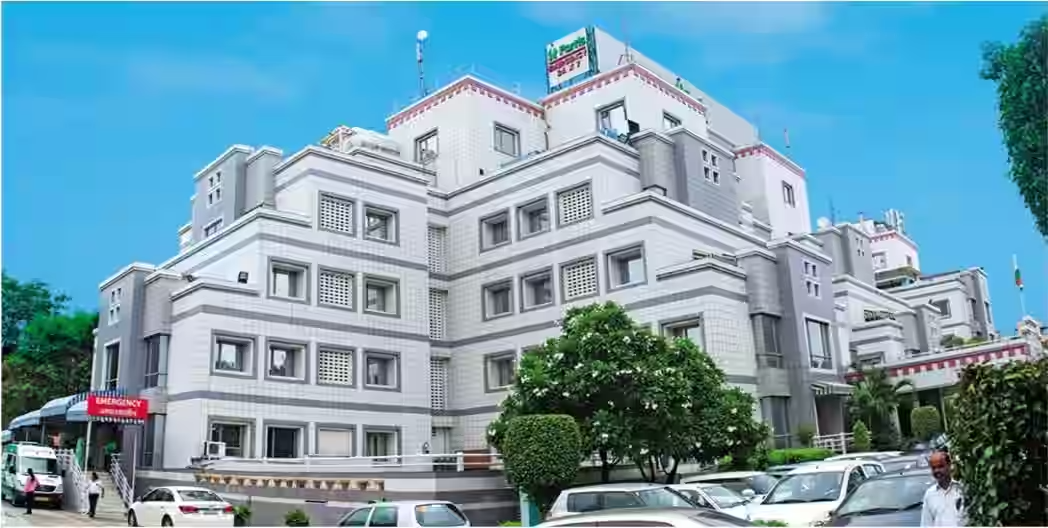
Best hospital for colostomy closure India
- Artemis Hospital, Gurgaon
- Medanta-The Medicity, Gurgaon
- Fortis Memorial Research Institute, Gurgaon
- Max Hospital, Saket
Conclusion
The laparoscopic method of colostomy closure along with the other method is a conclusive reconstructive operation that recreates normal bowel continuity and enhances the quality of life of a patient to a large extent. It is a safe and effective procedure of high success rates that can be conducted at the right time, and in the right type of patients. Other benefits of the laparoscopic surgery are less pain after surgery, shorter stay in hospital, faster recovery, and fewer wound related complications. The preoperative evaluation, the operative technique, and the postoperative management must be carefully selected in order to obtain optimal results and to minimize the incidence of complications.
Colostomy closure surgery India GetWellGo
GetWellGo is regarded as a leading supplier of healthcare services. We help our foreign clients choose the best treatment locations that suit their needs both financially and medically.
We offer:
- Complete transparency
- Fair costs.
- 24 hour availability.
- Medical E-visas
- Online consultation from recognized Indian experts.
- Help in choosing from among Best Colostomy closure surgery Hospitals in India.
- Deserve expertise of surgeon with proven results in success.
- Assistance during and after the course of treatment.
- Language Support
- Travel and Accommodation Services
- Case manager assigned to every patient to provide seamless support in and out of the hospital like appointment booking
TREATMENT-RELATED QUESTIONS
GetWellGo will provide you end-to-end guidance and assistance and that will include finding relevant and the best doctors for you in India.
A relationship manager from GetWellGo will be assigned to you who will prepare your case, share with multiple doctors and hospitals and get back to you with a treatment plan, cost of treatment and other useful information. The relationship manager will take care of all details related to your visit and successful return & recovery.
Yes, if you wish GetWellGo can assist you in getting your appointments fixed with multiple doctors and hospitals, which will assist you in getting the second opinion and will help you in cost comparison as well.
Yes, our professional medical team will help you in getting the estimated cost for the treatment. The cost as you may be aware depends on the medical condition, the choice of treatment, the type of room opted for etc. All your medical history and essential treatment details would be analyzed by the team of experts in the hospitals. They will also provide you with the various types of rooms/accommodation packages available and you have to make the selection. Charges are likely to vary by the type of room you take.
You have to check with your health insurance provider for the details.
The price that you get from GetWellGo is directly from the hospital, it is also discounted and lowest possible in most cases. We help you in getting the best price possible.
No, we don't charge patients for any service or convenience fee. All healthcare services GetWellGo provide are free of cost.