Cosmetic Surgery
Cleft Palate Repair
Cleft Palate Repair
Cleft palate repair is surgery that closes the opening in the roof of the mouth, restores palate muscles, and improves speech and feeding. It usually takes 2-3 hours under general anesthesia.
Cleft palate repair
A cleft palate is an inborn disorder in which the roof of the mouth has an opening that is brought about by the incomplete joining of tissues as the fetus develops. It may involve:
- Hard palate
- Soft palate
- Both
Cleft palate often affects:
- Feeding
- Speech development
- Hearing
- Dental health
- Surgery is necessary to restore good functioning and look.
Cleft palate repair surgery
Palatoplasty also known as cleft palate repair surgery is a reconstructive surgery performed to seal the hole in the roof of the oral cavity created by cleft palate. The surgery allows normal feeding capacity, enhances speech growth and helps normal growth of the face. It is one of the most significant repairs when treating a cleft; it is normally done by a pediatric plastic surgeon / craniofacial surgeon.
What is the Rationale of having Cleft Palate Surgery?
- To close the gap in hard and /or soft palate.
- To re-establish and restructure the muscles of the soft palate.
- To enhance clarity of speech and minimize nasal speech.
- To enhance feeding and swallowing.
- To decrease common ear infections.
- To aid in the sound development of the face and teeth.
Optimal Age to repair Cleft Palate
The age in which surgery is usually advised is:
- 9 to 18 months of age
- This timing supports:
- Better speech development
- Proper muscle function
- Lower risk of complications
- There are complicated cases which can necessitate the use of staged surgeries later in life.
Cleft Palate Repair Surgery-Types
Various methods are applied due to the extent of cleft and the choice of the surgeon:
Palatoplasty (Most Common)
- Tissue flaps are formed internally in the mouth.
- Cleft is closed in layers
- Reconstructed soft palatable muscles.
- Speech-supportive palate development.
Furlow Double-Opposing Z-Plasty
- Commonly employed with clefts of the palate.
- Reorients palate muscles
- Helps enhance speech results.
- Decrease the risk of velopharyngeal insufficiency
Von Langenbeck Repair
- Used for wide clefts
- Flaps on the sides were pulled to the middle.
- Ideal in reconstruction of hard palate.
Two-Stage Palate Repair
Used in large clefts:
- Initial surgery: palate soft close.
- Second surgery (subsequently): hard palate closure.
Factors Affecting Cleft palate repair cost
The following are the major considerations that determine the prices of Cleft Palate Repair Surgery (palatoplasty) in India:
Severity & Type of the Cleft
- In case of cleft of only the soft palate vs. both the hard and the soft palate - the latter is more complicated, requires more time and resources during surgery - costly.
- The existence of related anomalies or syndromes (e.g., ear problems, dental/gum problems) might necessitate some extra interventions → higher cost.
- The cost is dependent on whether it is a primary repair (first surgery) or secondary/revision surgery. The revision surgeries are usually more expensive due to scar tissue and difficulty.
Experience of Surgeon and his team involved
- An extremely qualified professional (paediatric plastic surgeon/craniofacial team) is likely to charge more.
- When it comes to a multi-disciplinary team (ENT, speech therapist, orthodontist) needed to perform the surgery, the cost to be bundled increases.
Infrastructure/Location Hospital/Facility
- Type of hospital (government vs charity vs private) issues: The better amenities are, the higher is the cost of the hospital.
- City/location: In large metropolitan areas (Delhi, Mumbai, Bengaluru, Gurugram), the charges are likely to be higher as they have more overheads.
- Type of the room (general ward or private deluxe room), ICU stay (where needed) - increase in cost.
Pre-operative Care
- Pre-surgical studies/tests (blood work, imaging etc.) accumulate.
- Hospital stay: In case the child requires more time to be monitored due to their age, other health conditions or complications - the cost will increase.
- After surgery treatment: Speech-therapy, aftercare, additional small surgical operations, medical equipment, etc. → additional expense.
Anaesthesia and Associated Medical Conditions
- Age (young age infants) risks / complicates anaesthesia hence can be more expensive.
- Any comorbid medical issue (cardiac, respiratory) might warrant additional monitoring or experts → adds to the cost.
Extra Surgeries or Interventions Required
- In case of repair of palate besides alveolar bone grafting is necessary along with the ear tube insertion, orthodontic treatment, etc., the price increases.
- In case revision surgery is required in the future (speech adjustment, fistula repair) it increases the cost.
Time/Delay of Surgery
- Earlier and delayed surgery: Sometimes when surgery is delayed or child comes in late with complications, cost can be raised with the extra care or the extra interventions that may be required.
Medical Tourism Issues (Where Applicable)
- In the case of the foreign patients, travel/accommodation/logistics can be an additional expense. Other hospitals display inclusive packages, others itemise.
- The entire budget may depend on the exchange rate, visa costs, stay costs etc provided you are visiting a foreign country.
Technology Used and Hospital Accreditation
- Cost might be more expensive in case of accreditation (e.g., NABH, JCI) or more innovative technology (microsurgery, 3D planning) is used because of the high-quality services.
Cleft palate repair procedure
Cleft palate repair: Surgery to close the opening in the roof of the mouth (palatoplasty) and reconstruct the palate muscles, allowing the child to eat, speak and use his or her mouth normally.
What to expect before surgery
Evaluation & Testing
- Physical examination
- Blood tests (CBC, coagulation profile)
- Pediatric evaluation
- ENT examination (Not unusual to have middle ear fluid)
- Speech examination (at age consideration)
Feeding Preparation
- Parents can also be given feeding guidelines.
- Depending on hospital policy, baby may be forced to quit bottle feeding before operation.
- Guidelines in regard to fasting prior to anaesthesia.
Anaesthesia Assessment
Because of the unique requirements of infants, a pediatric anaesthesiologist assesses:
- Airway
- Weight
- Medical history
During the Surgery
Anaesthesia
- General anaesthesia is administered to child.
- Monitors on heart rate, oxygen, blood pressure.
- A breathing tube is inserted
Surgical Steps
Step 1: Incisions
- Little cuts are carried out on the edges of the cleft on the palate.
- Folds are formed on both sides on the tissues.
Step 2: Muscle Repair
- The palate levator muscles (soft palate muscles) are pointed out.
- These muscles are rearranged and united to the center.
- This is important in proper subsequent speech.
Step 3: Nasal Layer Closure
- The mouth is initially not to remain in contact with nose, so the nasal lining is closed.
Step 4: Oral Layer Closure
- The muscles are covered over with the oral mucosa (mouth lining).
- Dissolvable sutures are adopted.
Step 5: Palate Lengthening (Where necessary)
- The use of the soft palate is lengthened through the application of such techniques as Furlow Z-plasty.
- Helps eliminate speech difficulties such as hypernasality.
Step 6: Hard Palate Repair
In case the cleft is of the hard palate:
- Mucoperiosteal flaps are turned inwards and shifted to the center.
- To re-establish normal roof-of-mouth structure, bone gap is covered.
Step 7: Final Check & Dressing
Surgeon ensures:
- No tension on sutures
- No bleeding
- Proper muscle alignment
- There are no external stitches or bandages that are normally needed within the mouth.
Duration of Surgery
Typically 2 to 3 hours, based on:
- Cleft type (soft versus hard + soft palate)
- Surgical technique
- Child’s age and anatomy
Cleft palate surgery recovery
The cleft palate repair (palatoplasty) recovery process is important to the healing process, speech, and complications prevention. The recovery normally takes 2-3 weeks and full tissue recovery in a number of months.
Recovery at Hospital (Immediate)
Hospital Stay
- Days 1-3 days following surgery (age and feeding capacity)
Monitoring Includes:
- Breathing
- Oxygen levels
- Bleeding
- Pain control
- Fluid intake
Feeding in Hospital
- Initially IV fluids
- Progressively change to liquids and soft foods.
- Special feeders/spoons can be needed.
At-Home Recovery (First 2–3 Weeks)
Feeding Guidelines
For the first 2–3 weeks:
- Soft or liquid diet
- No tough, crunchy, hot, and sharp food.
- Do not use straws, do not place spoons on palate and not to put anything into the mouth.
- In the case of infants: special cleft feeders are recommended.
- This ensures that there is no chance of an accidental trauma to the surgical site.
Pain Management
- Prescription painkillers by the physician.
- Usually needed for 5–7 days
- Child can also be fussy within several days because of being uncomfortable.
Wound Care
- None in the vicinity of the surgical site.
- Wipe mouth with clean water or sterile saline (in older child).
- Do not touch the area of the incision.
- Wash the mouth to minimize the chances of infection.
Protecting the Repair
To ensure that the child does not break the stitches:
- No elbow ties (soft ties) can be applied during 1-2 weeks.
- Avoids the insertion of fingers/object into the mouth.
- It is not painful, it is merely precautionary.
- Should periodically be removed that permits movement of arm.
Activity Guidelines
Avoid:
- Rough play
- Toys that go into the mouth
- Bottles, hard-nippled pacifiers.
- Chewing on objects
Permitted:
- Gentle play
- Cuddling, holding, and calming down.
Healing Timeline
First Week
- Slight discomfort and swelling.
- Liquid/soft diet
- Sleep more than usual
2–3 Weeks
- Stitches dissolve
- Most visible healing occurs
- Child resorts to usual eating habit slowly.
3 Months and Beyond
- Scar of the mouth gets tough.
- The process of speech training tends to start or maintain.
- Function and form perfection are achieved with time.
Follow-Up Care
First follow-up
- Usually after 7–10 days
Regular follow-ups
- Assess speech
- Check palate healing
- Check ear activity (ENT visits)
- Monitor dental/orthodontic evolution.
Speech Therapy
- Frequently necessary following palate repair.
- Helps enhance the quality of speech and avoid nasal sounding speech.
- Typically occurs after healing (at about 1 year or above)
Best hospital for cleft palate repair India
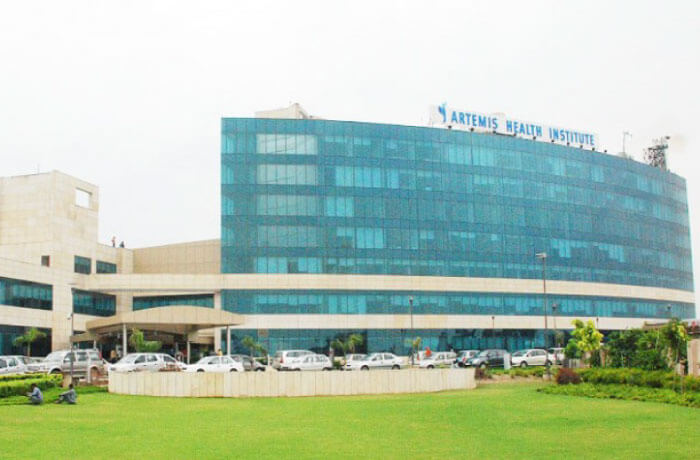
- Artemis Hospital, Gurgaon
- Medanta-The Medicity, Gurgaon
- Fortis Memorial Research Institute, Gurgaon
- Max Hospital, Saket
Conclusion
Repair of the cleft palate is a necessary operation that contributes to restoration of normal mouth functioning by the palate that is involved in the muscle alignment and plays a role in supporting developmental milestones, including enduring abilities in speech, feeding, hearing, and facial growth. The results are very successful when it is done at the age suggested and postoperative care is observed as expected and frequent follow-ups taken. Majority of the children further mature to have clear speech, normal eating patterns, and better general living standards. Cleft palate repair is associated with long-term advantages which maintain the health and confidence of the child as well as the growth in the future when performed in the skilled surgical care and in time.
Cleft palate repair surgery India GetWellGo
GetWellGo is regarded as a leading supplier of healthcare services. We help our foreign clients choose the best treatment locations that suit their needs both financially and medically.
We offer:
- Complete transparency
- Fair costs.
- 24 hour availability.
- Medical E-visas
- Online consultation from recognized Indian experts.
- Assistance in selecting India's top hospitals for cleft palate repair surgery.
- Top plastic surgeons who have a proven record of success
- Support during and after treatment.
- Language Support
- Travel and Accommodation Services
- Case manager assigned to every patient to provide seamless support in and out of the hospital like appointment booking
- Local SIM Cards
- Currency Exchange
- Arranging Patient’s local food
FAQ
What can my child eat after surgery?
- A liquid or soft food diet is advised for 2 to 3 weeks. Firm, dry, crunchy, or spicy foods are not allowed.
Are stitches removed later?
- No. The stitches placed in the mouth are dissolvable, so nothing needs to be removed.
Will my child require speech therapy after the procedure?
- Yes. Speech therapy is necessary to increase speech intelligibility and to prevent nasal sounding speech.
Is cleft palate surgery successful?
- Yes. Most children go on to achieve normal speech, feeding and facial growth following modern cleft palate repair with appropriate follow up care, therefore it can be regarded as a successful procedure.
Can cleft palate surgery cause hearing problems?
- The operation itself does not damage your hearing; however children born with cleft palates are prone to developing middle ear fluid problems. Regular ENT check-ups are important.
TREATMENT-RELATED QUESTIONS
GetWellGo will provide you end-to-end guidance and assistance and that will include finding relevant and the best doctors for you in India.
A relationship manager from GetWellGo will be assigned to you who will prepare your case, share with multiple doctors and hospitals and get back to you with a treatment plan, cost of treatment and other useful information. The relationship manager will take care of all details related to your visit and successful return & recovery.
Yes, if you wish GetWellGo can assist you in getting your appointments fixed with multiple doctors and hospitals, which will assist you in getting the second opinion and will help you in cost comparison as well.
Yes, our professional medical team will help you in getting the estimated cost for the treatment. The cost as you may be aware depends on the medical condition, the choice of treatment, the type of room opted for etc. All your medical history and essential treatment details would be analyzed by the team of experts in the hospitals. They will also provide you with the various types of rooms/accommodation packages available and you have to make the selection. Charges are likely to vary by the type of room you take.
You have to check with your health insurance provider for the details.
The price that you get from GetWellGo is directly from the hospital, it is also discounted and lowest possible in most cases. We help you in getting the best price possible.
No, we don't charge patients for any service or convenience fee. All healthcare services GetWellGo provide are free of cost.
.jpg)
.jpg)
.jpg)