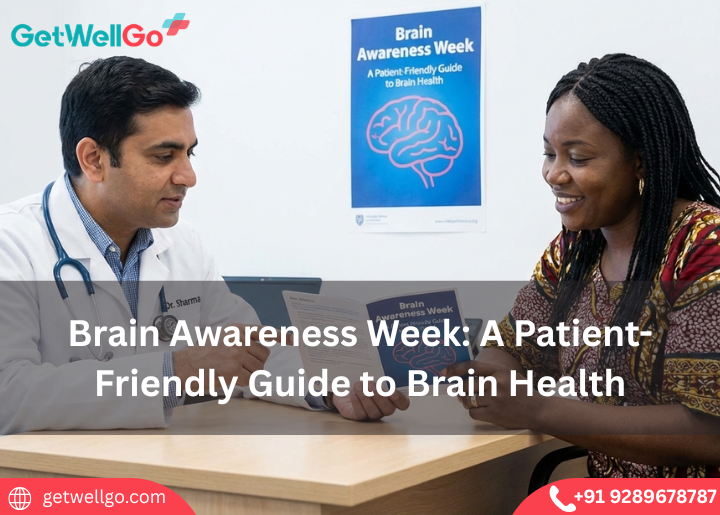
Brain awareness week (BAW) is an international movement that focuses on raising awareness among people about the need to have a healthy brain and develop neuroscience studies. It is celebrated annually in March and attracts medical practitioners, scholars, teachers, and other groups of people in the world to raise awareness about the brain and the neurological condition.
Brain Awareness Week Purpose
Increase awareness and the brain health and brain diseases.
Encourage early diagnosis and treatment of the brain disorders.
Promote the significance of mental health.
Research and innovation in neuroscience.
Train populations on lifestyle habits that prevent damage to the brain.
Importance of Brain Health
Everything is under the control of the brain; memory, emotions, movement, thinking, breathing and even personality. Brain health protection assists in mitigating the threat of:
Stroke
Brain tumors
Epilepsy
Parkinson’s disease
Dementia and Alzheimer disease.
Multiple sclerosis
Depressive and anxiety disorders.
10 tips for a healthy brain
Prevention is care during brain awareness week:
Follow a healthy diet
Exercise to increase blood flow to the brain.
Get enough sleep (7 to 8 hours a day)
Stress management: meditation or mindfulness.
Do not smoke and drink too much.
Do things that make your brain work, like reading, doing puzzles, and learning new things.
Book routine health examination.
The brain awareness week and Global Healthcare
As the world continues to experience more neurological disorders, most patients are seeking advanced treatments across the borders, including:
Parkinson disease Deep Brain Stimulation (DBS).
Brain tumor surgery
Epilepsy surgery
Stroke rehabilitation interventions.
Pediatric neurosurgery
Brain Awareness Week brain health tips
It is during the Brain Awareness Week that your attention should be paid to protecting and strengthening your brain. The brain is healthy which makes it easier to remember, concentrate, have emotional balance and be well. Here are the some evidence-based tips to keep your mind in tip-top shape:
Eat Brain Food Boosters
Nutrition is important for thinking and learning.
Add green vegetables, fruits and whole grains.
Add omega-3 rich foods
Less processed food, too much sugar and trans fats.
Make sure you keep yourself hydrated throughout the day.
Exercise Regularly
Exercise makes your brain get more blood and helps you create new neural paths.
Engage in moderate activity for at least half an hour on five days per week.
Try brisk walking, yoga, swimming or cycling.
Additionally add balance and coordination activities.
Put Quality Sleep First
Sleep is needed for memory consolidation and brain repair.
Seven to eight hours of uninterrupted sleep.
Maintain a steady sleeping routine.
Avoid televisions and coffee at night.
Manage Your Stress Well
Mind cells can be destroyed by prolonged stress.
Meditate or do deep breathing.
Participate in leisure and stress relief.
Spend time in nature
Keep Your Brain Active
Cognitive approach is reinforced through mental stimulation.
Read books or read a new language.
Puzzle, or play a strategy game.
Take up new skills or courses
Stay Engaged Socially
Having a good social life reduces the risk of mental decline.
Maintain contact with friends and family.
Engage in group or community life.
Avoid Harmful Habits
Quit smoking
Limit your alcohol intake.
Manage chronic conditions, such as diabetes and high blood pressure.
Arrange Periodic Medical appointments
Neurological conditions can be treated better when diagnosed at an early stage.
See a medical practitioner in case of loss of memory, frequent headaches, and changes in behavior.
Stroke prevention brain health awareness
Stroke happens to be among the most significant causes of death and long-term disability on the global front. The only bad news is that 80 percent of strokes can be avoided using the correct lifestyle and medical support. The creation of awareness regarding stroke prevention is an essential aspect of brain health protection.
What Is a Stroke?
A stroke can be caused by disruption in blood supply to the brain either by:
Ischemia stroke- vessel blockage (most common)
Hemorrhagic stroke bleeding in the brain.
TIA (Transient Ischemic Attack) - a mini-stroke and an indicator of a repeated stroke.
The starved brain cells start dying in a few minutes when oxygen is not supplied to them. Emergency intervention is essential.
Sudden severe headache, confusion, problems with vision, dizziness or difficulty walking or loss of balance may be additional symptoms. Tips for Prevention of Stroke:
Control Blood Pressure
The risk factor of stroke is the highest blood pressure.
Monitor regularly
Reduce salt intake
Use prescribed drugs regularly.
Manage Diabetes
Maintain low blood sugar levels.
Follow a healthy diet
Stay physically active
Keep Cholesterol Under Healthy Checks
Stay away from trans fats.
Select fat-free or low-fat milk products
Take cholesterol medications only if prescribed.
Be Active Regularly
Daily activity in moderate exercise for at least 30 minutes.
Swimming, cycling, yoga, walking... take your pick!
Adopt a Brain-Healthy Diet
Vegetables, fruits, whole grains.
Lean protein sources
Limit consumption of junk food and sugary drinks.
Stop smoking and reduce your intake of alcohol
Smoking doubles stroke risk.
Excessive drinking leads to high blood pressure and stroke.
Maintain a Healthy Weight
Being overweight or obese increases the chances of developing high blood pressure, diabetes, and heart problems.
Routine Health Screening
Stroke may be prevented by early detection of heart rhythm abnormalities (eg, atrial fibrillation).
The Need for Awareness
Awareness programs on brain health promote:
Timely stroke symptoms awareness.
Emergency treatment.
Preventive screenings
Availability of the advanced stroke care and rehabilitation.
It is time-consuming, patient, and should be medically advised to recover after a traumatic brain injury (TBI). Healing process differ according to the severity of injury (mild, moderate and severe), however, regular care and rehabilitation can greatly enhance the results of the process.
Strictly follow Medical Advice
Follow-up appointments are to be attended.
Take the prescribed medication as directed.
Deteriorating symptoms (severe headache, confusion, vomiting, seizures) should be reported immediately
The brain requires additional energy in order to repair.
Get 7–9 hours of quality sleep
Nap during the day in case necessary.
It is important not to become overstimulated (loud noises, bright light, too much screen time).
Gradual Restitution of Activities
Resume work or school slowly
Break tasks into small steps
The first thing is to avoid multitasking.
Cessation in case of worsening of symptoms.
In case of athletes, they need to resume all activities under the care of a physician.
Take part in Rehabilitation Therapy
Recovery could include:
Physical therapy - Enhance balance and coordination.
Occupational therapy - Learn living skills.
Speech therapy assistance to communicate or to swallow.
Cognitive therapy – Improve memory, attention and problem solving.
Have a Brain-Healthy Diet
Add nuts, fruits, and vegetables and whole grains.
Keep hydrated
Limit the amount of processed food and added sugar.
The proper foods eat in the brain to repair.
Control Your Emotions
TBI is also accompanied by mood swings, anxiety and depression.
Train relaxation processes.
Staying connected with family and friends.
Speak to a counsellor or psychologist (if needed).
Dodge Re-Injury Risk
Use them when riding your bike or motorcycle.
Use seat belts
Make homes fall-safe (in particular, in case of elderly patients).
Wait before full clearance of contact sports.
The second brain damage before a complete recovery may be hazardous.
Track Symptoms
Record recovery journal including:
Headaches
Memory issues
Sleep patterns
Emotional changes
This assists physicians to modify treatment plans.
Recovery Timeline
Mild TBI (concussion): Few months to weeks.
Moderate TBI: Months under rehabilitation.
Severe TBI: Long term recovery that needs full care.
The process of recovery for each patient is different.
Brain Awareness Week GetWellGo
The Brain Awareness Week is an international event that aims to raise awareness about brain health, create awareness about neurological diseases, and emphasize the need to diagnose and treat them at an early stage. At GetWellGo, we are proud to help in this program by enabling international patients to have access to the best neurology and neurosurgery treatment in India.
Brain Health tips at GetWellGo
During this Brain Awareness Week, we want all people to:
Keep the blood pressure and sugar levels normal.
Consume healthy, brain nutritious diet.
Daily activity
Get 7–8 hours of quality sleep
Control stress well.
Disavow smoking and alcoholism.
No chronic headaches, memory loss, or neurological impairments
Internationally-known hospitals, well trained neurologists and neurosurgeon are available in India providing world class treatment at very affordable cost.
Service to International Patients
GetWellGo offers the full support of:
Choosing treatment and medical opinion.
Hospital coordination and estimation of costs.
Visa assistance
Travel and accommodation allowance.
Specialized patient care administrators.
We take care of the hassle free and stress free medical experience of the patients who seek neurological services in foreign countries.
Our Commitment
In celebration of Brain Awareness Week, GetWellGo reaffirms its commitment to raise awareness about nervous system health and to make life-changing treatments for patients across the globe more accessible
Who can donate bone marrow for a family member? Discover the eligibility rules, matching process, and steps Nigerians need to follow. Learn more inside.
Where is bone marrow located, and why does it matter? Discover its role in your body and why Nigerian patients should understand it. Learn more inside.
Where is bone marrow located, and why does it matter? Discover its role in your body and why Nigerian patients should understand it. Learn more inside.
What are bone marrow disorders? This complete guide breaks down the various types, causes, and available treatment paths for Nigerian patients. Read more now.
Considering a bone marrow transplant? Understand the underlying bone marrow disease causes and discover how this life-saving procedure can restore your health.
Bone marrow biopsy indications: discover why doctors order this test, what it diagnoses, and what Nigerian patients should expect next. Learn more inside.
What is bone marrow transplant? Discover how this life-saving procedure works, who qualifies, and what Nigerian patients should expect. Learn more inside.
Fortis Hospital Delhi India: discover the treatments, top doctors, and real costs Nigerian patients need to know before booking travel. Learn more inside.
A complete guide to pediatric cardiology in India, covering Max Hospital's child heart care, specialists, costs, and what Nigerian parents should expect.