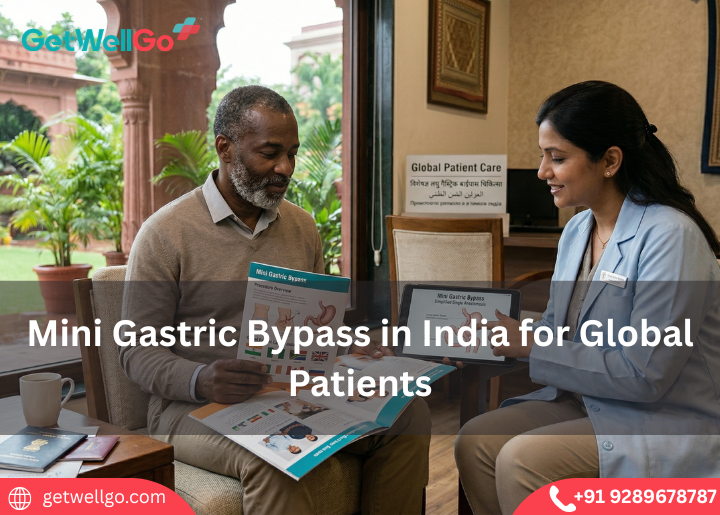
Mini Gastric Bypass in India for Global Patients
Mini gastric bypass in India offers safe weight loss surgery with skilled surgeons, modern hospitals, and affordable care for overseas patients.
Read More
Planning bariatric surgery in India? Learn about safety, hospital standards & why international patients choose GetWellGo for trusted treatment.
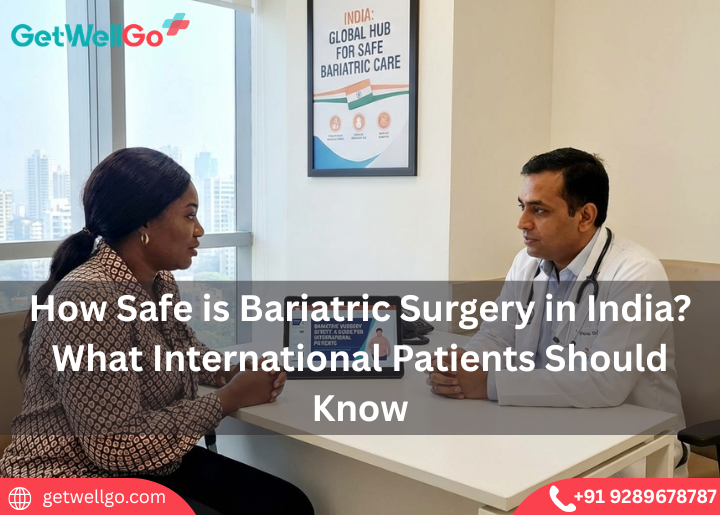
Bariatric surgery is an operation that assists in long-term weight reduction through altering the size or activity of the stomach and / or the digestive tract. It is usually prescribed when the severely obese person who has failed to lose weight using diet, exercise or medication has been observed. Common procedures include:
Such surgeries decrease hunger levels, increase satiety, and may have some beneficial effects in the metabolic disorders such as type-2 diabetes and high blood pressure.
Normally, bariatric surgery is thought when:
Before prescribing surgery your surgeon will examine your medical history, comorbidities, psychological preparation and capability to adhere to lifetime lifestyle modifications.
In India, bariatric surgery has the following advantages:
This is an excellent, Indian-centric overview of the safety of bariatric (weight-loss) surgery:
In one of the studies, 11,568 bariatric surgeries in 24 centres were analyzed in a large multicentre Indian study.
Hence in well-established centres with acceptable practices, significant complications are rather rare and the short-term safety is high.
The current bariatric surgery mostly applies the laparoscopic (keyhole) technique, which implies:
Safety awareness is not only all about the process; multiple aspects of safety awareness are involved:
Surgeon & Centre Experience
The results are safer in high-volume centres that have bariatric multidisciplinary teams.
Patient Selection
This is because better results are achieved when patients are medically optimized as well as meeting the medical requirements.
Pre-ops & Post-ops care
Long-term risk reduction includes nutrition counselling, lifestyle support, and follow-up.
Gastric sleeve surgery has been widely done in most countries across the globe and it is seen to be less invasive compared to other bariatric surgeries, however, it has some risks just like any other major surgery.
These occur in the period of surgery and during the first weeks of it:
They are likely to occur months or years following surgery:
This is a realistic, clear image of the success rates of bariatric surgery:
Traditionally, physicians tend to measure success based on three outcomes:
Overall (all major bariatric procedures)
The weight loss is generally highest at between 18 and 24 months after which it levels off. It is common to recover (5-15) but this can typically be controlled.
Here is the area where bariatric surgery comes in.
Diabetes Type 2
High Blood Pressure
50–70% improves or normalize
Sleep Apnea
80–90% improves or resolve
Cholesterol & Fatty Liver
Major progress amongst 60-90% patients.
Long‑Term Success (5–10 Years)
Weight loss remains clinically significant in 60-70% of patients.
Optimal outcomes are achieved for people who:
An International-patient centred, practical guide to post-bariatric care:
The reason why post-bariatric care is more important to international patients
The majority of international programs entail:
Hospital stay
Diet progression
Discharge kit
You should leave with:
Local Doctor Follow-Up (CRITICAL)
Prior to operation in a foreign country, line up:
They’ll handle:
Most patients require lifelong daily supplements:
Blood test usually at:
Good international programs offer:
International patients sometimes lose out on:
Strongly recommended:
Bariatric surgery is a safe and effective long term treatment for morbid obesity when appropriately performed by high volume experienced centers in India. Dramatic and sustained weight loss, major improvement or resolution of obesity related comorbid diseases such as diabetes type 2, hypertension, sleep apnea and complication rates comparable to international standards are demonstrated in the evidence. But surgery alone is not a solution — long-term outcomes are dependent on the right patients being chosen, the surgeons being skilled, the patients supplementing nutritionally for life, following up medically on a regular basis and adapting their lifestyle and behaviour over the long-term. Particularly for international patients, having a plan in place for structured post-operative care before surgery is crucial to ensure safety and durability of results.
GetWellGo is regarded as a leading supplier of healthcare services. We help our foreign patients choose the best treatment locations that suit their needs both financially and medically.
We offer:
Mini gastric bypass in India offers safe weight loss surgery with skilled surgeons, modern hospitals, and affordable care for overseas patients.
Read More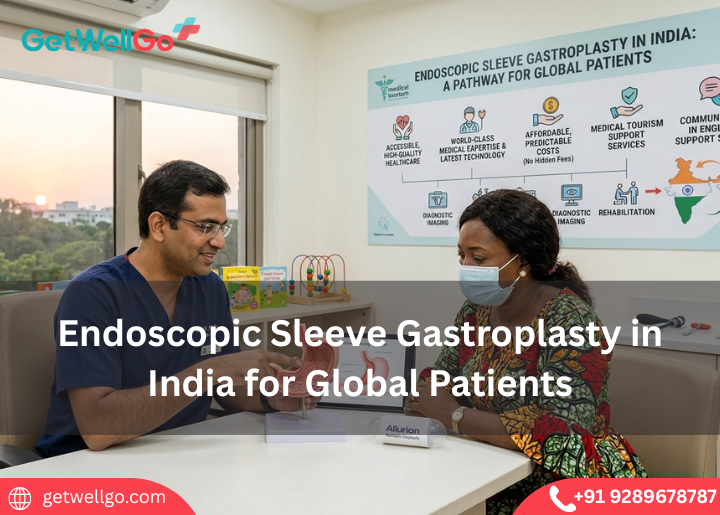
Endoscopic Sleeve Gastroplasty in India shrinks your stomach without cuts. GetWellGo handles your top doctor, visa, and a cozy stay for fast weight loss.
Read More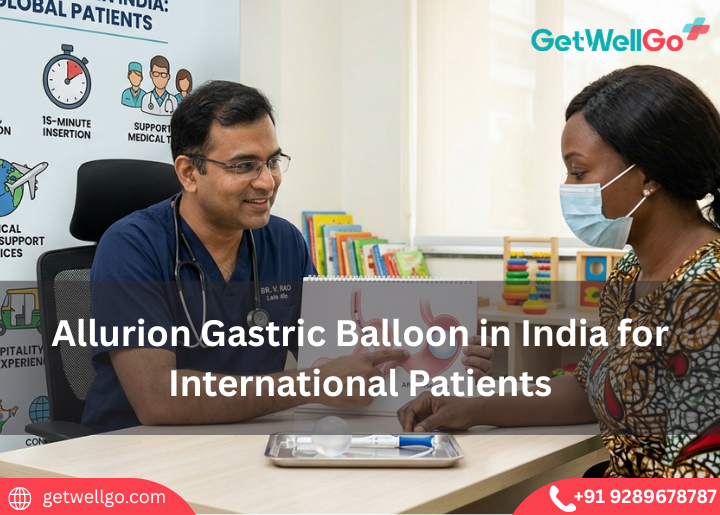
Lose weight safely with the Allurion Gastric Balloon in India. Ideal for international patients seeking non-surgical, effective weight loss care.
Read More
Revision Bariatric Surgery in India gives your weight loss a fresh start. GetWellGo handles your expert doctor, visa, and safe stay to get you back on track.
Read More
GetWellGo connects you with leading bariatric experts in India, offering personalized care, transparent pricing, and smooth travel assistance abroad with ease.
Read More
World Obesity Day is your start. We offer affordable bariatric surgery packages with top surgeons. Reclaim your health with our expert guidance today.
Read More
"Best Bariatric Hospitals in India for International Patients" feature Max, Apollo, Fortis, and BLK Super Speciality. JCI-accredited centers offer laparoscopic gastric sleeve, bypass surgery with IP lounges, dietitians, visa help.
Read More
Discover affordable weight loss treatments in India, including bariatric surgery and non-surgical options, offered by top specialists at leading hospitals with quality care.
Read More
Affordable weight loss treatment in India with GetWellGo. Trusted by international patients for safe, effective care and world-class medical support.
Read More
Discover 5 transformative obesity treatments in India you probably haven't heard of. Explore innovative options with GetWellGo for a healthier future.
Read More.png)
Find top-ranked bariatric surgeons in India with GetWellGo. Expert care for weight loss surgeries, ensuring safe procedures and effective results.
Read More